Sep 14, 2017 | aging, aging investor, cost of aging, custodial care, elder investor, elderly, finances for elders, financial advisors, nursing home, senior investor, seniors finances, wealth transfer
You're trying to help the sixty-something clients plan for what they can anticipate spending for medical care in the future. You tell them about the average amounts a couple retiring at age 65 will need. The language seems fuzzy. Are you, the advisor, completely clear about what the term means when you say "out of pocket medical costs"?
That which is "medical" and what is paid by Medicare does not seem to be clear to many financial professionals we've interviewed. If you want to help your clients plan adequately for retirement, here are some critical points you need to make with them.
Medicare never paid for what it calls "custodial care". This is not medical care by Medicare's definition. It did not cover it in the past and it does not pay for it now. There is a distinct and very important difference between what it covers and what most people need over the long run in their retirement years. If your idea of "out of pocket medical costs" is hazy, let's clear it up right now. This is a list of things Medicare doesn't pay for, which just happen to be the most common things people need as they age. This is only a partial list.
Nursing home ("rehab") after a limited number of days. The maximum coverage depends not on how sick the client is, nor how much help they really need due to such disabling conditions as a stroke, nor how they feel. It depends solely on what the nursing home administration decides about whether they are continuing to make the right kind of progress. That progress must require skilled care which can be nursing, physical, speech or occupational therapy. There may be 100 days available for coverage, but this does not mean that all of it will be covered or that the person will get that much in the rehab facility. If it is decided that there is not enough progress, the person's care is termed "custodial" and they are cut off from Medicare.
Home Care. Millions of people who are released from a nursing home after surgery, an emergency or a fall, for example, need help at home either short term or long term. Medical events change us and can rob us of complete independence. There is a false belief around that Medicare will cover what you need if you have to have home care. This is true only for a very short time and only if skilled, licensed nurses or therapists are needed at home. Most of the time, a person is cut off from help when leaving a facility and has to pay for home care out of pocket. The national average hourly rate is $20, which can eat up one's assets quickly in a fairly short time frame.
Help at home to stay out of a care facility. A lot of folks think they'll live to be 100 years of age. No one discusses with them what it would mean to live that long without being completely independent. Help costs money. Many people assume that family or someone will take care of them if care is needed. But not everyone is willing to or capable to undertake what is often a serious burden. Even when family does take on caregiving, they need a break, and relief. Then help from outside must be hired. Without constant help many older people would have to be in a care facility. Does it make sense that when assets are largely all spent, Medicaid will pay for a nursing home but Medicaid will not pay for preventing the need for a nursing home, a far more economical alternative? Of course not, but that's how it works.
The Takeaways
Fully two thirds of us will need long term care at some point in our lives. Unless the client is the rare one with long term care insurance, there is no way to pay for long term care other than to do so out of pocket. Sometimes this depletes all the client's assets and leaves them with no choices in the last part of their lives. For those who live into their 90s and beyond, the need for some kind of long term care by family or a facility seems almost inevitable. Your clients need to stop pretending that it's not going to happen to them, and you, the professional must steer them in the direction of saving and anticipating this need as much as you can. They will resist! Keep trying. Educate yourself first. You can get all the facts and figures you need to have a wise conversation with your older clients in our new book, Hidden Truths About Retirement & Long Term Care. Get your copy now and start adding value to those retirement discussions with your clients.
Click HERE to order.
By Carolyn Rosenblatt, RN, Elder law attorney, AgingInvestor.com
|
|
Dr. Mikol Davis and Carolyn Rosenblatt, co-founders of AgingInvestor.com
Carolyn Rosenblatt, RN, Elder Law Attorney offers a wealth of experience with aging to help you create tools so you can skillfully manage your aging clients. You will understand your rights and theirs so you can stay safe and keep them safe too.
Dr. Mikol Davis, Psychologist, Gerontologist offers in depth of knowledge about diminished financial capacity in older adults to help you strategize best practices so you can protect your vulnerable aging clients.
They are the authors of "Succeed With Senior Clients: A Financial Advisors Guide To Best Practice," and "Hidden Truths About Retirement And Long Term Care," available at AgingInvestor.com offers accredited cutting edge on-line continuing education courses for financial professionals wanting to expand their expertise in best practices for their aging clients. To learn more about our courses click HERE
|

Sep 13, 2017 | aging, aging investor, cost of long term care, finances for elders, financial advisors, senior investor
Most financial professionals see themselves doing fine in helping their clients plan ahead for retirement. And their clients are probably in for a nasty surprise no one is talking about. The professionals have done the calculations, used the algorithms, had the conversations about their clients' goals. You may have forgotten something. Are you missing the elephant in the room: long term care?
At least a third of your clients are going to need it at some point. We're not talking about nursing home care here. We're talking about all the other out of pocket costs clients are not considering but that they will likely need as they age. Think about longevity today. Both men and women will probably live into their 80s at least. How many 85 year olds do you know who do not need any sort of help with anything in their lives? Not many, we'll bet.
As the body ages, it is harder to see, hear, get around physically, drive, and manage households and finances. Help with all of those things is actually an out of pocket cost we consider to be long term care. Medicare calls it "custodial care". That means all the kinds of support an aging person needs to stay out of a nursing home. The actual cost of a nursing home is another discussion altogether. When we talk about custodial care here we mean help with bathing, dressing, walking, eating, getting to the bathroom and getting out of bed onto a chair and back. These are called "activities of daily living" or ADLs. We are also talking about help with shopping, cooking, paying bills, cleaning the house and doing laundry. These are called "instrumental activities of daily living" or IADLs.
Your clients don't want to think about needing help. In this country, we insist on believing that we will always be independent--it's embedded in our culture and myths about aging. But those myths are not true. Independence declines with age for most of us. And help is expensive.
Consider that the averages you hear about do not address this at all when it comes to retirement planning. "The average couple age 65 will spend (fill in the blank here, anywhere from $265,000 to $400,000) on out of pocket medical expenses." OK. Custodial care is NOT medical care. Medicare does not cover it. Health insurance, including Medigap coverage does not pay for it. Who then does? Some long term care insurance policies cover some of it, with restrictions. Otherwise, it's all an out of pocket non-medical cost your client will have to cover. Imagine the costs when you calculate the "burn rate" of their retirement funds. Didn't factor that in? It's time for a second look at the plan.
if you have no idea how to calculate this or what your client's chances are for needing to pay for any kind of long term care, you can learn the basics and the costs in our newest book. Get the facts quickly that will help you in Hidden Truths About Retirement and Long Term Care: The Financial Advisors' Guide. Order your copy by clicking HERE.

|
|
Dr. Mikol Davis and Carolyn Rosenblatt, co-founders of AgingInvestor.com
Carolyn Rosenblatt, RN, Elder Law Attorney offers a wealth of experience with aging to help you create tools so you can skillfully manage your aging clients. You will understand your rights and theirs so you can stay safe and keep them safe too.
Dr. Mikol Davis, Psychologist, Gerontologist offers in depth of knowledge about diminished financial capacity in older adults to help you strategize best practices so you can protect your vulnerable aging clients.
They are the authors of "Succeed With Senior Clients: A Financial Advisors Guide To Best Practice," and "Hidden Truths About Retirement And Long Term Care," available at AgingInvestor.com offers accredited cutting edge on-line continuing education courses for financial professionals wanting to expand their expertise in best practices for their aging clients. To learn more about our courses click HERE
|

Jul 7, 2017 | aging, elderly, senior investor
Consider what you would do in this true case study. The advisor did not step up. Would you? Rhonda is 91 and lives independently. She has a few million in invested assets managed by her longtime advisor. Apparently, he forgot the requirement to "know your client". Rhonda started playing the sweepstakes a year before things came to a crisis point. She got really excited about the prospect of winning. A scammer, who probably purchased her name from the sweepstakes companies, got in touch with her by phone. "You've won!" he exclaimed excitedly. He then went on to use a classic scammer's trick. He told her she could get her million-dollar check if she would just pay the "fee" for transferring the funds. Sometimes the trick is paying the "taxes" or the "insurance fee". It's all the same. The scammer claims that they will deliver the check in person in exchange for the cash from the mark, often an elderly person. Luckily, Rhonda's son found out and he and his brother tried hard to talk their mother out of this. She insisted that they didn't understand and that "Mr. Banks" (don't you love the name?) was a good person and he was going to deliver her winnings to her for real. No amount of reasoning could persuade her she was about to be victimized. Her son, Jamie called us at AgingParents.com. "What can I do?" he asked.
We had to act fast as "Mr. Banks" was coming the following week in person. Rhonda was still the trustee over her multi-millions despite the fact that she had been showing clear signs of cognitive impairment for over two years. No one had taken any steps to keep her safe until this crisis. We asked Jamie to get her trust and any estate planning documents ASAP. He did so. In reviewing them, I saw that he was a co-trustee on the trust. It also revealed that Jamie was the "attorney in fact" on mom's Durable Power of Attorney and that he could act immediately. He got careful step-by-step instruction as to how to stop transactions on her accounts, and how to confront the nefarious "Mr. Banks" when he called to set up a time to meet with Rhonda. He also got advice about how to either get Rhonda to resign as trustee or to have her removed if she resisted. I personally called Rhonda's financial advisor to let him know about the imminent abuse, that transactions should be held until either Rhonda resigned as trustee or until Jamie could put a stop to Rhonda's attempts to get thousands of dollars for the predator. The options to stop his client would take a few days at least.
The advisor gave me a helpless-sounding response: "I don't know of anything I can do". Really? In the face of regulators insisting that you keep aging clients safer, that you address elder financial abuse and that next year you will be required to report abuse? Really? In the face of an upcoming regulation from FINRA that you can, in fact, hold transactions for two weeks in just this kind of situation? I was shocked at the lack of attention he paid to his own client's risks. The outcome on this matter was successful. Jamie used the power of attorney to stop any transfers out of Rhonda's account. She was too confused to argue with that action. When "Mr. Banks" called, Jamie was present and asked him "Who are you anyway?" Banks claimed he was a long lost relative and when Jamie told him to get lost, he actually did. Rhonda did not hear from him again. Whew, close call! The takeaways for advisors from this true case are these:
- Know your client. Diminished capacity leaves a trail. Stay in communication with your aging client's family members, particularly those who are on their estate planning documents appointed to take over in the event of incapacity. Know them too.
- When you are informed of any clear case of imminent abuse, hold transactions. It's that simple. Stop predators. Don't play helpless. You do know what to do. See the compliance department of your organization if you are unsure about this. It should be clear – do what is necessary to keep your client safe!
- Recognize that your oldest clients, age 85 and up are at very high risk for dementia or diminished capacity. The risk is at least one in three. Some experts put it at 50%. Therefore, you need to be on the lookout for signs of diminished capacity and to have a plan in place to address it with those who are in the position to take other protective action. In the earliest stages of dementia, a person loses financial judgment and is a prime target for scammers of all kinds. Learn more about what you can do to stop financial abuse at AgingInvestor.com.
|
|
Dr. Mikol Davis and Carolyn Rosenblatt, co-founders of AgingInvestor.com
Carolyn Rosenblatt, RN, Elder Law Attorney offers a wealth of experience with aging to help you create tools so you can skillfully manage your aging clients. You will understand your rights and theirs so you can stay safe and keep them safe too.
Dr. Mikol Davis, Psychologist, Gerontologist offers in depth of knowledge about diminished financial capacity in older adults to help you strategize best practices so you can protect your vulnerable aging clients.
They are the authors of "Succeed With Senior Clients: A Financial Advisors Guide To Best Practice," and "Hidden Truths About Retirement And Long Term Care," available at AgingInvestor.com offers accredited cutting edge on-line continuing education courses for financial professionals wanting to expand their expertise in best practices for their aging clients. To learn more about our courses click HERE
|

Jun 20, 2017 | aging, aging investor, diminished cognition, elder investor, finances for elders, senior investor
Most financial advisors with aging clients often find themselves in the dilemma of just how involved they should get when it comes to their clients. You talk with them for portfolio reviews, but what if they show signs of diminished capacity in those conversations? Should you meet with them to talk about it or just wait until "something happens"? A critical point that every financial advisor needs to know: if your older client shows signs of mental decline, something is already happening. You don’t have the luxury of waiting. Research makes it clear that the ability to manage finances is the first thing to go downhill when a person begins to develop Alzheimer's disease or other forms of dementia. There could be other reasons for cognitive decline too. Don't make the mistake of ignoring it.
At AgingInvestor.com we recently heard a story that reinforces the importance of staying vigilant for your aging clients. Penny is 93 and until recently, the professionals in her life saw no particular reason to be concerned about her mental status. She was usually clear in conversation. Her accountant thought she was ok but failed to see mistakes and changes. But Penny was managing seven separate real estate investments and no one in her family, particularly her son, was helping her. Her son may have thought she was fully capable. She had been successful for decades. No one anticipated that she might become impaired late in life. But then her lawyer, living in a different city, wanted her to sign a document and have it notarized. She got confused and insisted that it be done incorrectly. The document came back a mess. Her lawyer did not heed these red flags that something was wrong and thought Penny was probably ok. He attributed the error to "normal" forgetfulness. Forgetfulness is a warning sign that closer monitoring of the older person needs to start right away.
Penny’s son eventually got her to a doctor who wrote a letter with the opinion that Penny was no longer able to manage her personal and financial affairs. Her son began taking over managing the property but was not prepared for what he found. Of the seven real estate holdings, five had IRS liens! One had become uninhabitable, the tenant had moved out and was billing Penny for the hotel stay, waiting for the home to be fixed. Penny had failed to pay the property taxes for several years.
Penny is a good example of a senior who is generally pretty clear but is definitely not able to handle complex finances any longer. The process of her cognitive decline did not happen overnight. It took several years. During that time she endangered her assets, lost track of her finances and could have lost most of her real estate to tax liens. Warning signs happened but no one paid attention to them.
Could this be prevented? Of course. Had her financial advisor kept a better eye on all of Penny’s assets, not just her stock account, he could have noticed the problem and contacted her son. The point is that wealthy clients may have assets you do not manage but also provide income. It is good practice to ask about all of your client's holdings. Penny's failure to pay property taxes and allowing the houses to fall into disrepair should have been seen by those close to her. Paying attention to those telltale signs of decline, which an alert advisor would have noticed, should have triggered reaching out to Penny's trusted contact person. Working with your clients' families is key to protecting their financial safety. Learn more about successful family meetings at AgingInvestor.com.
|
|
Dr. Mikol Davis and Carolyn Rosenblatt, co-founders of AgingInvestor.com
Carolyn Rosenblatt, RN, Elder Law Attorney offers a wealth of experience with aging to help you create tools so you can skillfully manage your aging clients. You will understand your rights and theirs so you can stay safe and keep them safe too.
Dr. Mikol Davis, Psychologist, Gerontologist offers in depth of knowledge about diminished financial capacity in older adults to help you strategize best practices so you can protect your vulnerable aging clients.
They are the authors of "Succeed With Senior Clients: A Financial Advisors Guide To Best Practice," and "Hidden Truths About Retirement And Long Term Care," available at AgingInvestor.com offers accredited cutting edge on-line continuing education courses for financial professionals wanting to expand their expertise in best practices for their aging clients. To learn more about our courses click HERE
|
Jun 15, 2017 | aging, aging investor, elder investor, elderly, finances for elders, financial elder abuse, senior investor, seniors finances
|
|
Dr. Mikol Davis and Carolyn Rosenblatt, co-founders of AgingInvestor.com
Carolyn Rosenblatt, RN, Elder Law Attorney offers a wealth of experience with aging to help you create tools so you can skillfully manage your aging clients. You will understand your rights and theirs so you can stay safe and keep them safe too.
Dr. Mikol Davis, Psychologist, Gerontologist offers in depth of knowledge about diminished financial capacity in older adults to help you strategize best practices so you can protect your vulnerable aging clients.
They are the authors of "Succeed With Senior Clients: A Financial Advisors Guide To Best Practice," and "Hidden Truths About Retirement And Long Term Care," available at AgingInvestor.com offers accredited cutting edge on-line continuing education courses for financial professionals wanting to expand their expertise in best practices for their aging clients. To learn more about our courses click HERE
|

May 26, 2017 | aging, aging investor, elderly, finances for elders, senior investor
While advisors are there to serve those with investable assets, it is not only your clients who are affected by politics, the Federal budget and cuts to programs. It may be your clients' family members, their aging parents or struggling adult kids.
When family members are beneficiaries of various public programs that help them get by, your clients may not be affected except with feeling relief. But when programs are slashed, the reverberation can affect your own clients, who are likely to be better off financially and therefore expected to help. Every advisor needs to consider this. Cash flow projections on retirement savings can be totally disrupted when your client has to pitch in and give financial help to a low-income family member.
Imagine this: your Boomer clients are ready for retirement. You have carefully worked out what they will need to sustain their lifestyle and make their money last. One or the other of them has low income aging parents in their 80s. Their parents have part of their health care costs paid by Medicaid. Medicaid gets slashed. Your client has to help pay the 20% of costs Medicaid was previously covering for their parent's health care costs. And since those costs tend to rise with aging, your client will potentially pay the cost of a supplemental insurance policy or non-covered medications or other things.
Here's another thing to see in looking at how budget cut proposals can destroy your careful retirement income planning for your clients. Some have disabled siblings, adult children or others who benefited directly from the Medicaid expansion of the Affordable Care Act. Some of those folks are not yet eligible for Medicare and rely entirely on Medicaid for all health care coverage. With massive cuts to Medicaid, they are among the millions who would lose insurance altogether. If they have a well-to-do family member, your client, where will they look if a medical need arises and there is no way to pay for it? Probably to your client.
Then, lets look at your clients' lowest income family members who rely on the Supplemental Nutrition Assistance Program (SNAP), formerly called food stamps. Nearly five million seniors rely on this program in order to afford food. A massive cut (proposed) of $194 billion would surely affect them immediately. Can you imagine any client refusing a request from a low-income family member for money because he or she couldn't afford groceries? That grocery money contribution could be every week and go on indefinitely into the future.
Perhaps this is just a heads-up for every financial planner to build into clients' retirement planning that some cash may be needed on a monthly basis to help their relatives who can't get by without their help. In my own family, four of us pitch in every month to support a low-income sibling. He has Medicare and also Medicaid. For all of us who are Boomers and a bit older, a hit to the existing Medicaid benefit would cost each one of us more dollars every month than we are currently paying.
Your clients may be in the same situation. We at AgingInvestor.com hope you will bring up the subject and help your clients plan accordingly. You would do that by asking clients planning retirement if there is anyone in the family they may be called upon to help support.
Our political climate may not change for some time. And every lower income American who is a needy family member of your retirement-aged clients will be affected one way or another. Help them prepare for the anticipated expense.
|
|
Dr. Mikol Davis and Carolyn Rosenblatt, co-founders of AgingInvestor.com
Carolyn Rosenblatt, RN, Elder Law Attorney offers a wealth of experience with aging to help you create tools so you can skillfully manage your aging clients. You will understand your rights and theirs so you can stay safe and keep them safe too.
Dr. Mikol Davis, Psychologist, Gerontologist offers in depth of knowledge about diminished financial capacity in older adults to help you strategize best practices so you can protect your vulnerable aging clients.
They are the authors of "Succeed With Senior Clients: A Financial Advisors Guide To Best Practice," and "Hidden Truths About Retirement And Long Term Care," available at AgingInvestor.com offers accredited cutting edge on-line continuing education courses for financial professionals wanting to expand their expertise in best practices for their aging clients. To learn more about our courses click HERE
|

May 26, 2017 | aging, aging investor, elder investor, finances for elders, senior citizen investor
Mostly at the urging of their adult children, many seniors choose to move to senior communities where some help is available. These are usually called Assisted Living facilities (AL). When it is too difficult to keep up the family home or an elderly client of yours becomes too isolated after the loss of a spouse, AL can be a good choice.
No doubt you, the financial advisor have helped them consider the expense and the consequences or benefits of selling the family home. And they likely would not move if they could not afford the monthly cost of being in AL. However, there are things every advisor should know about AL so you can properly advise your clients.
The marketing departments of these homes can be very aggressive about promoting the benefits of AL. Indeed may of them are well appointed and have numerous convenient amenities. What they don't tell you are the hidden disadvantages. Having interfaced with many of these facilities in our work at AgingParents.com and AgingInvestor.com as consultants to families, we want you to be fully informed of what they can and can't do.
First, AL homes are not nursing homes, and they do not provide nursing or health care. If there is a nurse on staff at all, which is not required of any of them, the nurse is there to evaluate residents' suitability, hear resident concerns, consult with staff and make referrals. It is not to provide direct care, even in an emergency. The nurse in such a facility, seeing an emergency, will call 911, just as any layperson might do.
These homes are not licensed to offer health care. Assistance with things like bathing, dressing, walking, bathroom, eating and getting in and out of bed are the limit of the help they can provide.
Next, these homes do not provide full staffing at night. If your client is forgetful or wanders around at night and her family shares this with you, AL may not be the best choice. Some people hire additional help privately to watch their loved ones in AL more closely, especially at night and this arrangement can work well. However, it is a significant additional expense and must be paid on top of the regular monthly charges of assisted living. We know of one resident whose family was spending $12,000 a month for the combination of AL and outside supplemental caregiving.
Finally, any home whether it is AL or any other place where care is delivered should be held accountable for the safety of your client who may become a resident there. No one is going to check on your aging client every hour in AL. Falls can happen anywhere, including a so-called "supervised environment". The concept of AL was originally meant to give all levels of care but today that is not the case. The law requires separate licensing of any unit or facility that offers skilled nursing. Even when it is given on the same campus as AL, skilled nursing facilities are a separate entity from AL.
If you are talking to any client about the possibility of AL, be sure that your client is educated and that the family does not have unrealistic expectations of AL. The expense of these places is one consideration. The overall plan for the future of taking care of a client's needs is another. Help your client be a wise consumer.
|
|
Dr. Mikol Davis and Carolyn Rosenblatt, co-founders of AgingInvestor.com
Carolyn Rosenblatt, RN, Elder Law Attorney offers a wealth of experience with aging to help you create tools so you can skillfully manage your aging clients. You will understand your rights and theirs so you can stay safe and keep them safe too.
Dr. Mikol Davis, Psychologist, Gerontologist offers in depth of knowledge about diminished financial capacity in older adults to help you strategize best practices so you can protect your vulnerable aging clients.
They are the authors of "Succeed With Senior Clients: A Financial Advisors Guide To Best Practice," and "Hidden Truths About Retirement And Long Term Care," available at AgingInvestor.com offers accredited cutting edge on-line continuing education courses for financial professionals wanting to expand their expertise in best practices for their aging clients. To learn more about our courses click HERE
|
May 8, 2017 | aging, aging investor, declining health, elder investor, elderly, finances for elders, financial advisors, financial capacity, financial elder abuse, financial judgement, handling money for aging parents, senior citizen investor, senior investor, seniors finances
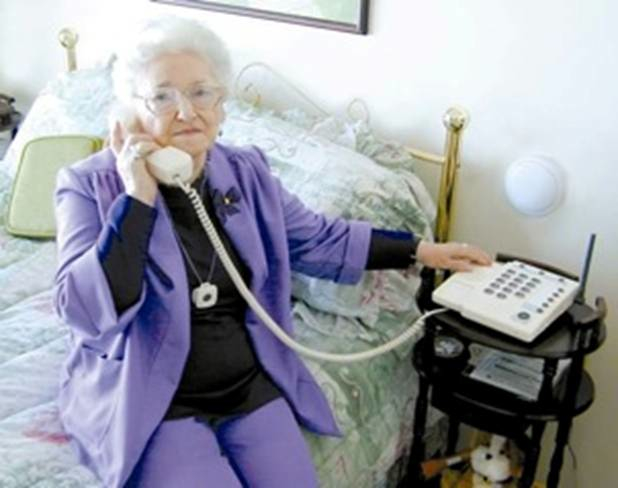
Your older investors are sure it will never happen to them but Medicare fraud can trick anyone. Even those without a hint of cognitive decline can get taken by scammers. At AgingInvestor.com, we educate advisors about protecting clients from elder financial abuse and we thought we had our own family covered. With a 94 year old mother, we are especially alert. We were stunned when mom told us that someone "from Medicare" had called and asked her to "verify" her personal information.
Alice is a sharp 94 year old, living mostly independently in a seniors' complex. She's active, does her own shopping and is engaged with her neighbors in the community. She had an issue with Medicare not paying a bill for a service she had received some months prior. With our help, she had undertaken an appeal process, which involves a lot of repetitive paperwork. When a man saying he was from Medicare called, she thought it was about the appeal. Of course it wasn't. The scammer asked her to "verify" her Social Security number, her address, date of birth and mother's maiden name and she gave him that information.
A few hours later, she mentioned what had happened and said she had been wondering if it was right to give out that information. We were shocked! How is it that she didn't see the potential ID thief when we talk about this all the time? We knew we had to jump on this right away to stop the thieves from using the information to open new accounts in her name. Hours were spent the next day calling the two banks where she had accounts, her credit card company, the credit reporting agencies and Social Security. We had to stop the auto debits on her bill payments. We cleaned up the mess.
So far so good. No unauthorized transactions have happened. Her old accounts were closed and new ones opened. Social Security sends her payments to the new account. Fraud alerts are on everything now. Whew! This was a lesson that even the alert older person can get fooled with the right pitch on the phone.
Here's the takeaway.
Warn your clients: Medicare will NEVER call and ask you for your personal information. Never give it out unless you place a call to order something that you know is legitimate.
Medicare fraud can happen in many forms. This was just one of them. I believe that there was probably a connection between her Medicare appeal and the fraud attempt. It's too much of a coincidence that they called when she had communication with Medicare going on already with her appeal. The appeal had not yet been resolved. This information got into the wrong hands, making it easy to trick a sharp person by saying he was calling from Medicare. Mom could be just like any one of your older clients.
Why is this important? You're on the front lines and you have a trusting relationship with clients. Speak up and make basic efforts to educate them about these scams. A lot of money can be drained from an account instantly with all the client's personal information out there. Make yourself look good. A word from you can remind your aging clients that you care about their financial safety and that you are looking out for them.
Learn more about protecting aging clients from financial abuse in Succeed With Senior Clients: A Financial Advisor's Guide to Best Practices. Click here to purchase it now. You'll build your knowledge about aging investors fast.
Carolyn Rosenblatt, RN, Elder Law Attorney, & Dr. Mikol Davis, Psychologist, Gerontologist, co-founders AgingInvestor.com
|
|
Dr. Mikol Davis and Carolyn Rosenblatt, co-founders of AgingInvestor.com
Carolyn Rosenblatt, RN, Elder Law Attorney offers a wealth of experience with aging to help you create tools so you can skillfully manage your aging clients. You will understand your rights and theirs so you can stay safe and keep them safe too.
Dr. Mikol Davis, Psychologist, Gerontologist offers in depth of knowledge about diminished financial capacity in older adults to help you strategize best practices so you can protect your vulnerable aging clients.
They are the authors of "Succeed With Senior Clients: A Financial Advisors Guide To Best Practice," and "Hidden Truths About Retirement And Long Term Care," available at AgingInvestor.com offers accredited cutting edge on-line continuing education courses for financial professionals wanting to expand their expertise in best practices for their aging clients. To learn more about our courses click HERE
|

May 1, 2017 | aging, diminished cognition, elderly, finances for elders, financial advisors, financial judgement, handling money for aging parents, handling money for seniors, long term care, medicare, seniors finances
How Much Should You Plan On For Retirees' "Out of Pocket Medical Costs"?
For those outside the caregiving world, there is a lot of confusion about this cost. Calculations abound in retirement planning circles for helping your clients ensure that they have enough for the things they are likely to need medically. The usual calculations outline Medicare Part A premiums (deducted from Social Security payments), Medicare Part B supplemental health insurance premiums, also called "Medigap" and for medication expenses, as some are not covered my Medicare. In plain English, this means that your client's Social Security is less to them when the Medicare payment comes out and they have to pay out of pocket for the other kind of insurance that covers outpatient care, clinic and doctor visits, as well as prescription meds.
OK what's wrong with these calculators? Can't you rely on them? I think for an unusually healthy person who is your client, one who needs little care and has no chronic illnesses, they would be fine. I'm not sure where the folks making up the calculations get their statistics but I think they grossly underestimate the real costs of out of pocket medical care in retirement.
From personal experience with thousands of elders I visited at home as a nurse over a career, I did not see much of the unusually healthy. What I did see was the average person then taking numerous medications, having multiple chronic conditions and being at risk for those getting worse with age. And now, decades later, we live longer, have more health risks as a result of greater longevity and we have to pay more for the problems that go along with living to be 100. We have better diagnostics and we can catch and treat conditions more. That means more out of pocket expenses for those exotic tests Medicare will not cover. That also means more and more drugs being prescribed to manage and control chronic illness. They work, but we pay. You would be amazed at what Medicare does not cover.
Here's the message I want every retirement planning advisor to heed: you cannot predict how much out of pocket medical expense your client will have unless you really know a lot about both their genetic disposition and their health habits and condition. And then it's only an educated guess. How educated are you?
We do know that the way we age is about 30% due to our genetics. The other 70% of the picture is directed by how we choose to live. That means what we eat, how much we move our bodies, how we manage stress, how we socialize and how we succeed or not in our relationships with others. All of these factors affect our health and longevity and consequently, how much it's going to cost to keep living with conditions like heart disease, diabetes, cancer, hypertension, arthritis, etc.
We haven't even touched on the subject of Alzheimer's disease. If you are calculating out of pocket medical I'll bet you never calculate what it costs to care for someone at home 24/7 with specialized skill for dealing with this devastating disease. It can last 20 years. Nursing home care and caring for a person with any serious illness at home is long term care. That is not in the calculations in those handy tables describing the out of pocket medical costs for an average couple retiring at the age of 65 and living to be 85.
Here's an example. Mort is 95. He has multiple health issues and early dementia. He can't do anything by himself. He has 4 caregivers in shifts every day in his home. He isn't sure he wants to keep going but he doesn't want to stop the numerous medications he takes to stay alive. It costs over $250,000 a year just for the caregivers, not for the other costs of housing, utilities, transportation via handicap van and such. And the out of pocket medical is still there. The dentist, the hearing aids, the medications that no insurance pays for, the stair lift, the ramp on the front of the house, the high-end wheelchair and more.
If you want to help your clients plan so they won't run out of assets, you'll need to be realistic. Lots of cash may need to be available at the later end of life. It is more likely than not. Forget reliance on a calculator or use one that has the highest number you can find. Then add on expenses like Mort's and you're on the right track.
Get a lot more detail on caregiving, costs of care and what is needed as we age in The Family Guide to Aging Parents: Answers to Your Legal, Healthcare and Financial Questions. Check it out here.
Carolyn Rosenblatt, RN, Elder law attorney & Dr. Mikol Davis, Gerontologist
AgingInvestor.com and AgingParents.com
|
|
Dr. Mikol Davis and Carolyn Rosenblatt, co-founders of AgingInvestor.com
Carolyn Rosenblatt, RN, Elder Law Attorney offers a wealth of experience with aging to help you create tools so you can skillfully manage your aging clients. You will understand your rights and theirs so you can stay safe and keep them safe too.
Dr. Mikol Davis, Psychologist, Gerontologist offers in depth of knowledge about diminished financial capacity in older adults to help you strategize best practices so you can protect your vulnerable aging clients.
They are the authors of "Succeed With Senior Clients: A Financial Advisors Guide To Best Practice," and "Hidden Truths About Retirement And Long Term Care," available at AgingInvestor.com offers accredited cutting edge on-line continuing education courses for financial professionals wanting to expand their expertise in best practices for their aging clients. To learn more about our courses click HERE
|

Apr 24, 2017 | aging, aging investor, diminished cognition, elder investor, elderly, finances for elders, financial advisors, financial capacity, financial elder abuse, financial judgement, handling money for aging parents, handling money for seniors, investor, scammers, senior citizen investor, senior investor, seniors finances
What To Watch For: Aging Clients and The Sweetheart Scam
If it didn't happen so often, there would be no need to warn your single, widowed clients about it. But every day, someone gets taken in by a "special someone" who appears to have only your client's interests at heart. The special someone is a scam artist who knows just how to get an unsuspecting lonely man or woman into the web of deception. And then they finagle money out of your client and run.
Some of these scammers are skillful repeat offenders. Some just see an opportunity and proceed to milk it for all it's worth. Take the case of Tommy, whose wife was ill with cancer. He used to take his clothes to the local dry cleaner every week and he got friendly with the woman who ran the business. She loved to chat and gossip and he was lonely with his caregiving, cooped up with the daily chores he had to do for his ailing wife. Norma, the dry cleaner heard all about it.
Just after his wife passed, Tommy got a visit from Norma. She was so consoling and comforting. He felt like he had a real friend. She had heard about his wife's illness for over a year and was ever so sympathetic. She also knew he had money. Within a month she had moved in with Tommy.
Over the next six months of giving Tommy her undivided attention, she managed to persuade him to give her "loans" of over $300K. She promised to stay with him forever. He loved the flattery and feeling special. No sooner had Norma gotten the last of what she could easily take, she promptly sold the dry cleaning business and disappeared. This is not such an unusual story.
Here's what every financial professional needs to know about the Sweetheart Scam. Professional predators comb the obituaries for stories about the beloved widow or widower left behind. They look for those who have been with a deceased who was a business leader, a banker, a financially successful person. They choose the ones who may be likely targets, the survivors who have means. They scope out how to meet them and seize the opportunity to take advantage of loneliness. They will stop at nothing to get in the door. And sooner or later they always need "a temporary loan" or a little help to get out of an unfortunate jam. If it works, they up the ante. This can go on until they have bankrupted a widow or widower. It will at least drain available cash if no one is watching.
That's where you come in, the financial professional with the ability to notice when unusual withdrawals are coming out of your client's account. Once the scammer has gotten control over your client's emotions, it may be too late to stop the scam. Your client is "in love" or at least addicted to the showered on attention. She won't believe your warning then. The heads-up must come early, before an opportunist has a chance to cast a spell.
Here's the takeaway: any recently widowed client in your book is a potential target. Do these things:
- Gently raise the subject of being careful of any stranger he/she meets soon after the loss of a spouse. Warn with empathy and facts.
- If your client claims he's met a "special someone" do some digging. Google the person he names. Ask a few probing questions. See what your client may not be able to see. Share the data you glean with your client.
- Be sure you have contact information for a family member or trusted friend of your client whom you can call if you see something suspicious. Call them if you think your client is in danger, particularly if your client doesn't want to hear your warning.
That protective posture you take on can save your client from disaster.
Financial elder abuse takes many forms besides the Sweetheart Scam. It is called "the crime of the century", it is so prevalent. With the right know-how, you can stop it and keep your clients safer. Take a deeper dive into this subject in a book written just for you, Succeed With Senior Clients: A Financial Advisor's Guide to Best Practices. Get a look at it here.
Carolyn Rosenblatt, RN, Elder Law Attorney & Dr. Mikol Davis, Gerontologist
AgingInvestor.com and AgingParents.com
|
|
Dr. Mikol Davis and Carolyn Rosenblatt, co-founders of AgingInvestor.com
Carolyn Rosenblatt, RN, Elder Law Attorney offers a wealth of experience with aging to help you create tools so you can skillfully manage your aging clients. You will understand your rights and theirs so you can stay safe and keep them safe too.
Dr. Mikol Davis, Psychologist, Gerontologist offers in depth of knowledge about diminished financial capacity in older adults to help you strategize best practices so you can protect your vulnerable aging clients.
They are the authors of "Succeed With Senior Clients: A Financial Advisors Guide To Best Practice," and "Hidden Truths About Retirement And Long Term Care," available at AgingInvestor.com offers accredited cutting edge on-line continuing education courses for financial professionals wanting to expand their expertise in best practices for their aging clients. To learn more about our courses click HERE
|

Apr 17, 2017 | aging, declining health, elderly, financial capacity, financial judgement, handling money for aging parents, health, resources for senior, resources for seniors, Uncategorized
What To Do When Your Aging Client's Health Is Failing
Financial professionals can find themselves in an uncomfortable position when they have a long time aging client who is in declining health. Of course, you know the client and can see that she's struggling with a lot of issues. You may want to do something but this stuff is just not in your wheelhouse. Longevity is great but not when you start to lose the ability to manage on your own. What are you supposed to do for these clients?
You're trained to understand economics, taxes, financial products, planning. But you're not trained to direct aging people to whatever resources they may need as they get older. If they have family, you may expect family to step up, but you see that it may not be happening. Should you call them? Do you even know them? Do you have your client's permission? And what if they don't have family? That's even worse. Here they are getting frail and more vulnerable by the day and you are just watching helplessly.
It doesn't have to be that way. You can get acquainted with some basic resources in your area and the areas where your clients live. Maybe they never figured they'd live so long as to actually need help. When they do, you can be a starting point to help them find what's out there.
Let's imagine you have an aging client who is having trouble getting around and she needs some help with chores at home. She tells you about it when you ask her how things are going. She is shy to ask for help and reluctant to admit that it's harder and harder to live alone. You don't know what to say. Or do you?
One source of help everyone should know about is the Area Agency on Aging. These Federally funded programs connect elders to appropriate community organizations and places to get assistance. Their mission is to help older adults and people with disabilities live with dignity and choices in their homes and communities for as long as possible.
AAAs contract with local service providers to deliver many direct services, such as meals, transportation and in-home services. However, most agencies are direct providers of Information and Referral/Assistance, case management, benefits/health insurance counseling and family caregiver support programs.
Some are incorporated into a county's health and human services departments. Some are separate. Large states have many AAAs. Smaller less populated states have fewer of them.
One thing you can do now to be ready to assist your own client who may demonstrate a need is to research where the nearest Area Agency on Aging is in your client's community, download a brochure or information package and let your client know it's there. If he needs help at home, transportation services, vetted information about local service providers, an AAA is a great place to start.
This whole aging client issue can be a reflection of things you have experienced in your own family. Perhaps you have an aging parent or ill grandparent. Another problem solving source of information is our book the Family Guide to Aging Parents: Answers to Your Legal, Healthcare and Financial Questions
. Learn what's in it here. It can get you more comfortable with those difficult conversations.
Carolyn Rosenblatt, RN, Elder law attorney
AgingInvestor.com and AgingParents.com

Apr 11, 2017 | aging, aging investor, declining health, diminished cognition, elder investor, elderly, finances for elders, financial advisors, financial capacity, financial elder abuse, financial judgement, handling money for aging parents, handling money for seniors, senior citizen investor, senior investor, seniors finances
In a recent issue of Investment News, a study of financial advisors looked at this question. 591 advisors were asked about their experiences with elder financial abuse. One of the surprising findings focused on those advisors who knew or suspected abuse but did not report it.
A significant percentage of those who did not report abuse gave as a reason that they did not know who to contact. What is most troubling about this finding is that not knowing who to contact is such a simple problem to solve. Historically your regulators have never required that you have the name of a trusted contact for your client in order to open a file for that person. Here at AgingInvestor.com and AgingParents.com, where elder financial abuse comes up often, we think it is extremely short-sighted to be without a trusted contact or two in every client's file. Isn't it obvious that you need someone to call if a client gets into danger, whether it's elder abuse or not? No one gets out of here alive and a client can live for quite a long time, developing cognitive impairment along the way. That puts a person at much higher risk for financial abuse.
New FINRA rules will require that you make "reasonable efforts" to get a trusted contact from your clients. We assure you, reasonable efforts are a lot easier to make when your client is signing up than they are when your client is 92 and forgetful or suspicious of everyone's motives.
From us, two professionals who have worked with countless elders and their families over the last 10 years, we have three tips for every financial professional handling a client's finances:
- You can't ensure that your client will be competent for financial decisions forever. Be realistic! People are living longer and they may develop dementia or other cognitive impairment. Get at least two trusted contacts in every file for every client age 65 or older. Why two or more? One trusted contact might end up being the very person who is abusing your client--a family member.
- Get smart about the basics of recognizing red flags of diminished capacity. We offer a simple free checklist to help you. Click on the green button here to get yours now. These signs are warnings that your client is more vulnerable to manipulation by others.
- Know how to report financial elder abuse. You don't have to be certain that abuse has occurred. You do need to know who may be doing it, when and how, in general (e.g., pushing your client into large, unexplained withdrawals). A reasonable suspicion is enough. It's ok if you're wrong. And you can do it anonymously. Call Adult Protective Services in the county where your client lives if you think someone is ripping off your vulnerable client.
Some advisors are worried that they'll get sued for reporting suspected financial abuse. This is incorrect. Your regulators want you to report it. If you do what is reasonable, you are not a target. However, if you know that your impaired client is being financially abused and you do absolutely nothing, liability for failure to act is certainly possible.
by Carolyn Rosenblatt, RN, Elder Law Attorney, & Dr. Mikol Davis, Gerontologist, co-founders of AgingInvestor.com
|
|
Dr. Mikol Davis and Carolyn Rosenblatt, co-founders of AgingInvestor.com
Carolyn Rosenblatt, RN, Elder Law Attorney offers a wealth of experience with aging to help you create tools so you can skillfully manage your aging clients. You will understand your rights and theirs so you can stay safe and keep them safe too.
Dr. Mikol Davis, Psychologist, Gerontologist offers in depth of knowledge about diminished financial capacity in older adults to help you strategize best practices so you can protect your vulnerable aging clients.
They are the authors of "Succeed With Senior Clients: A Financial Advisors Guide To Best Practice," and "Hidden Truths About Retirement And Long Term Care," available at AgingInvestor.com offers accredited cutting edge on-line continuing education courses for financial professionals wanting to expand their expertise in best practices for their aging clients. To learn more about our courses click HERE
|

Apr 10, 2017 | aging investor, elder investor, elderly, financial advisors, financial elder abuse, scammers, senior citizen investor, senior investor
Is financial abuse happening to your clients right now? Of course, it is. There is no escaping it. A recent study puts the amount stolen from elders every year in our country at over $36B. With a problem as big as this, no group of elders is immune. If you took a survey of your existing clients all age 65 or older and asked them how many have ever been taken advantage of financially, you would be sure to get some clients who would admit to this. If you look at your own experience and count up any instance you know of, whether it is in your family, your neighborhood or your book of business, you will likely find some financial abuse as well.
Why Is This Important for You?
The amounts stolen, fraudulently taken or just snatched from the unwary, are shocking. Remember that when your client loses assets, you lose fees. Portfolios that shrink because of fraud from predators take money from you, a manager, too.
That is the most basic reason this should be important to you as a financial professional. Doing the right thing to keep your clients safe is certainly a motivator as well. It shows that you do care about them. And beyond that, the regulators are increasingly aware that financial professionals are in a position to take action and, sometimes, to stop and prevent financial abuse. They will soon get past merely urging you to take action and to report abuse. They will ultimately make it mandatory.
And we think you can do more proactively than merely to understand how to report abuse after the fact. It would be great to catch more criminals but that is extremely difficult in many cases because they are very clever at evading law enforcement. And since family members are the most frequent abusers, we have an added problem in that many elders are reluctant to report abuse by their own to law enforcement. Mom just won't call Adult Protective Services on her son, even when she knows he has stolen from her. We have seen this with our own eyes here at AgingInvestor.com.
There are many instances of scammers getting into relationships with aging folks by phone or on the internet. The "friendly" relationships become addictive. These thieves persuade the victim to withdraw funds from their accounts. This is where the advisor comes in. Unusual withdrawals are an important warning sign of elder abuse. And when the advisor notices this in a client's account there are choices available about stopping abuse. They include contacting a trusted other the elder has identified and warning them of what is happening. There should be more than one trusted person identified for every client. And by all means, contact Adult Protective Services and report it if you suspect fraud.
If you are worried about privacy rules, don't be. The regulators of your industry want you to report abuse. They want you to make every effort to keep aging clients financially safer. If you are not sure about privacy, create a special privacy document that specifically permits you to call a third party with your client's ok. We can help you do so if you need guidance or a model document.
Financial abuse of your aging clients is likely, sooner or later. Take a deeper dive in our book "Succeed With Senior Clients: A Financial Advisor’s Guide To Best Practices", written just for you, the financial advisor. See particularly the chapter "Financial Elder Abuse: How You Can Fight the Crime of the Century". It's available right now. Click HERE to get your copy today.
by Carolyn Rosenblatt, RN, Elder Law Attorney, & Dr. Mikol Davis, Gerontologist, co-founders of AgingInvestor.com
|
|
Dr. Mikol Davis and Carolyn Rosenblatt, co-founders of AgingInvestor.com
Carolyn Rosenblatt, RN, Elder Law Attorney offers a wealth of experience with aging to help you create tools so you can skillfully manage your aging clients. You will understand your rights and theirs so you can stay safe and keep them safe too.
Dr. Mikol Davis, Psychologist, Gerontologist offers in depth of knowledge about diminished financial capacity in older adults to help you strategize best practices so you can protect your vulnerable aging clients.
They are the authors of "Succeed With Senior Clients: A Financial Advisors Guide To Best Practice," and "Hidden Truths About Retirement And Long Term Care," available at AgingInvestor.com offers accredited cutting edge on-line continuing education courses for financial professionals wanting to expand their expertise in best practices for their aging clients. To learn more about our courses click HERE
|

Apr 7, 2017 | aging investor, finances for elders, financial advisors, retirement planning
With 10,000 Boomers turning 65 every day, no wonder there is so much talk about retirement. You may be planning busily to get your clients a stable income and keep the portfolio on track. But besides advice on how to "have a secure retirement" and "maintain your lifestyle" there's some important information too few are taking about. That's the retirement-era mistakes people make that are pretty much guaranteed to leave their families in a stressful mess no matter how well you manage their finances. Long experience here at AgingInvestor.com and AgingParents.com has revealed much about retired older clients. We hear about what your aging clients do and don't do to make life stressful for their adult children. Here are what we call the Top Three of numerous errors aging clients make that you can at least remind them to avoid. Maybe you don't get too far into their personal lives and relationships with their adult children, but we think you should go farther than is traditional for you to do. Their financial safety is at stake.
Mistake Number One: They never discuss finances with their spouses or adult kids. It's private, they think.
The problem with this is that they're not going to live forever. Family members need to know where the funds are, what you're managing and what to do when the patriarch or matriarch becomes impaired or dies. Most people do suffer health declines as they age and millions will develop dementia. What then? You can't take direction from a client who is too incapacitated to make a decision about finances. Encourage family meetings. Persuade your older clients of the necessity to communicate about finances so you can rely on a surrogate decision maker when or if your client loses mental capacity. You need to take leadership on this if the client doesn't do it. The family needs to be prepared or suffer extreme stress when things go wrong for the aging parent.
Mistake Number Two: They believe they'll never fall for a scam. They're way too smart for that.
Very smart and capable folks get taken by scammers every day. In fact, some of your experienced and capable clients develop Alzheimer's disease and can cover it up for a long time. But they lose financial decision-making capacity early in the disease process when other functions seem fine. Impaired people are more vulnerable than ever. You need to involve your client and family in awareness of the latest scams and fraud targeting seniors. Make it your business to give them information and links to good resources like the AARP Fraud Watch Network. They need to be aware of telephone scams, ID theft, and Internet thieves. When you protect their money, you protect your fees. If your client gets taken by a scam, chances are their family will have to help clean up the mess.
Mistake Number Three: They think they don't need to plan for long-term care. They'll never need it of course.
This mistake involves both you as a financial professional as well as retirement age clients in denial about ever needing expensive help for disabling conditions. For your part, your industry is inaccurately providing statistics about how much a retired couple, age 65 will need for "out of pocket medical expenses" and you guide clients accordingly. That is not fair to them because it is not truthful. Out of pocket medical expenses are not limited to the average cost of Medicare supplemental insurance and non-covered prescription costs. That's what you may have relied on. Wrong. How about hearing aids, dental work, help at home from an agency worker, adult day centers and the many other aspects of long-term needs? Educate yourself first and then advise your clients. Long-term care could otherwise bankrupt them. And the family will bear the burden of caring for them then.
Perhaps your viewpoint is limited to the funds you manage and the income targets you and the client have decided upon. But there is far more to the retirement picture than that. We encourage you to take a deeper dive into retirement planning and gain a realistic view of how you can help clients avoid these big mistakes.
|
|
Dr. Mikol Davis and Carolyn Rosenblatt, co-founders of AgingInvestor.com
Carolyn Rosenblatt, RN, Elder Law Attorney offers a wealth of experience with aging to help you create tools so you can skillfully manage your aging clients. You will understand your rights and theirs so you can stay safe and keep them safe too.
Dr. Mikol Davis, Psychologist, Gerontologist offers in depth of knowledge about diminished financial capacity in older adults to help you strategize best practices so you can protect your vulnerable aging clients.
They are the authors of "Succeed With Senior Clients: A Financial Advisors Guide To Best Practice," and "Hidden Truths About Retirement And Long Term Care," available at AgingInvestor.com offers accredited cutting edge on-line continuing education courses for financial professionals wanting to expand their expertise in best practices for their aging clients. To learn more about our courses click HERE
|

Apr 6, 2017 | elder investor, financial advisors, NAPFA
Are You An Expert With Aging Clients? How To Prepare For The Silver Tsunami
Dr. Mikol Davis, Author, Psychologist, Gerontologist With Carolyn Rosenblatt, Author, R.N., Elder Law Attorney
Presentation Date May 17, 2017 Wednesday 10:45 a.m. - 12:00 p.m.
Stopping Financial Elder Abuse
Dr. Mikol Davis, Author, Psychologist, Gerontologist With Carolyn Rosenblatt, Author, R.N., Elder Law Attorney
Presentation Date May 19, 2017 Friday 10:40 a.m. - 11:55 p.m.
<iframe src="https://player.vimeo.com/video/206087876" width="640" height="360" frameborder="0" webkitallowfullscreen mozallowfullscreen allowfullscreen></iframe><!-- [et_pb_line_break_holder] --><p><a href="https://vimeo.com/206087876">2017 Spring Conference Promo</a> from <a href="https://vimeo.com/user25917313">NAPFA</a> on <a href="https://vimeo.com">Vimeo</a>.</p>
|
|
Dr. Mikol Davis and Carolyn Rosenblatt, co-founders of AgingInvestor.com
Carolyn Rosenblatt, RN, Elder Law Attorney offers a wealth of experience with aging to help you create tools so you can skillfully manage your aging clients. You will understand your rights and theirs so you can stay safe and keep them safe too.
Dr. Mikol Davis, Psychologist, Gerontologist offers in depth of knowledge about diminished financial capacity in older adults to help you strategize best practices so you can protect your vulnerable aging clients.
They are the authors of "Succeed With Senior Clients: A Financial Advisors Guide To Best Practice," and "Hidden Truths About Retirement And Long Term Care," available at AgingInvestor.com offers accredited cutting edge on-line continuing education courses for financial professionals wanting to expand their expertise in best practices for their aging clients. To learn more about our courses click HERE
|

Apr 3, 2017 | aging, aging investor, Alzheimer's disease, diminished cognition, elder investor, elderly, investor, senior investor
Have you ever found yourself in a situation with an older client who can't seem to remember anything any more? You may have known the client over a number of years and feel responsible. But you are at a loss now. What are you supposed to do with this client? She's pleasant and just loves you. But you are worried.
You are pretty sure your client is experiencing a slow, but steady cognitive decline. She has a daughter in another state but maybe she isn't paying attention to what is going on with mom. She has a son she's not close to, though he lives in the same area she does. You asked her once if she had someone to be her agent, her power of attorney. She hadn't gotten around to that yet.
No one acts. No one insists that your client choose a relative or friend and sign the Durable Power of Attorney document. She says he doesn't want to talk about it and you just back off and never mention it again. You suspect she may have Alzheimer's disease, from your experience with your own family member.
Here is what can happen to your client.
She steadily loses judgment about what is a good thing to spend money on or invest in; therefore, bad decisions happen. We have observed savvy and intelligent clients who were once financially comfortable start falling for obvious scams. They buy worthless coins or stamps or fly-by-night property investments that take their money and disappear. Perhaps no one knows because the elder is in the secrecy habit. Time passes and the client's cognitive ability declines even more. There is no stopping dementia caused by Alzheimer's disease. The predators find an easy mark. As long as there is cash to spend or credit cards to run up, the elder keeps getting into deeper and deeper trouble. Unquestionably, financial decimation can result.
These situations are real. Here at AgingInvestor.com, we're in the consulting business. We have talked to the families of elders who have probably been impaired for years, hearing them say they wished someone had done something sooner. No one but the financial professional knew what the client had nor where his money was going. The family thought the elder's finances were fine. Now, with too much drained out by excessive giving, the family may well end up having to support their aging relative just at the time when extensive care is needed and the expense of it skyrockets.
How do you prevent the worst? By engaging in discussion with your client's family or appointed other early in your relationship. If you have an ongoing connection with that trusted person in your client's life, you stand a better chance of protecting her from dumb and destructive decisions if her mind starts to go, later on in life. Even if you can't imagine how a perfectly alert, intelligent person could get dementia, it happens to millions of people as they live longer. 5.6 million of them are diagnosed with the disease right now in the U.S. alone. The risk rises with age.
If you have never had conversations with your older clients' families, now is the time to start. You need to educate your client about the importance of having someone else named by her for you to reach out to if she gets sick or has an accident.
You need to develop the skill of conducting family meetings while each client is fully competent. Even if a client has a few memory lapses now it is not too late to have a meeting with family to figure out the path forward in case of trouble ahead. This is a "soft skill" every advisor needs. If you want to learn how to conduct a family meeting or get better at this, you can learn the techniques in a hour.
Putting these skills to work takes some practice. It is especially important to know what to do when a client's family is difficult, or there is a history of conflict among them. That's tricky and you will need some outside help. Get a one hour accredited crash course on conducting successful family meetings by clicking here.
By Carolyn Rosenblatt, RN, Elder Law Attorney, & Dr. Mikol Davis, Gerontologist co-founders of AgingInvestor.com

Mar 27, 2017 | aging, aging investor, diminished cognition, elder investor, elderly, financial advisors, investor, senior citizen investor, senior investor
How good are you at spotting the telltale signs of diminished capacity in an older client? Many older people have a bit of difficulty remembering. We often dismiss this when we see it, thinking it's "just getting old". It may be part of aging, as we do process things more slowly as we age and recall may take longer. But, there is a point when a problem recalling things should be a red flag for diminished capacity for you, the advisor. What are those red flags anyway? How do we label them? There are numerous signs of diminished capacity, more extensive than this article allows, but we'll look at one category, which we call cognitive signs. Here's a breakdown of what you should look for when your client has a lot of difficulty remembering things.
What to note and document about memory loss
This is one of the first things most advisors may notice in a client that causes concern. Perhaps she does not remember important meetings, decisions and discussions. Here are some examples of what you may see: Multiple telephone calls in one day that are repetitive and do not make sense. The client forgets that she has already talked with you and is calling about the same thing in another call to you. She repeats a question she already asked you and that you already answered. Client forgets why he has an appointment with you. This can be by telephone or in person. Perhaps the client himself asked for the meeting but then he forgets why. Or perhaps you wanted to discuss a proposed transaction with him and told him that, but when you call or he comes into your office, he has no idea why he is there. Trying to refresh his memory about it does not help. Complete forgetting of an event that just took place. You just spent a hour with your client telling her some important information about upcoming changes to her portfolio. She seemed to understand when you were talking but an hour later she asks you questions as if the meeting you just had never took place. She had totally forgotten about it. No shows. You have arranged meetings, appointments with others or events that require your client's participation. He agrees on the pre-arranged date and time but then does not show up. When you call him, he has no recollection of the event, that others are involved nor that he had agreed to this.
If your client demonstrates any of these indicators you need to be paying close attention and make an effort to contact your client more often than you did before you noticed these problems. Any or all of them might be warnings of developing dementia. There could be other reasons for memory loss, but you won't know unless you are keeping good records. The only way to determine if you have a serious problem here is to track these signs over time and document each instance you see. If the problem gets worse, it is time to take it to the next level. In your organization that might mean escalation, or having the documentation reviewed by a committee. Ideally, as we see it, the next step should include contacting the client's appointed trusted third party who would step in when the client became impaired. To learn more about diminished capacity and just what you should do about it, click here. An hour of accredited learning on the course Best Practices for Clients With Diminished Capacity will make you a lot wiser in your approach.
By Carolyn Rosenblatt, RN, Elder Law Attorney, & Dr. Mikol Davis, Gerontologist co-founder of AgingInvestor.com

Mar 24, 2017 | aging investor, diminished cognition, elder investor
How Much Retirement Income Will Aging Clients Need? More Than You Think!
Financial professionals do their best to guesstimate how much income a person will need to maintain a client's lifestyle in retirement. Figures vary, with averages being $50,000 a year and up. They are based on various median ranges of things like out of pocket medical expenses, cost of living and the like. But you can't predict how long your aging client will live. All your calculations can be for naught if you totally miss how much it really costs to live to be in one's 90s.
Let's look at a real person who is in some ways atypical in that she is in pretty good health at 94 and can still get around on her own. A lot of those who are 90+ can't. They need more help and help costs more than most retirement calculators accurately predict. Could you do the math on this one, in advance?
"Evelyn" was widowed 8 years ago. She lived in a big house in a lovely gated seniors' community with all the amenities: golf courses, pools, recreation centers, clubhouses, restaurants and many activities. But after she lost her husband three pivotal things happened. First, she became more isolated. Some of her friends moved away to assisted living or to be closer to family. Next, she got more and more lonely. And third, her own health began to decline in that it was harder to walk and use her hands due to arthritis. She decided to move.
She sold her free and clear house and invested the cash. One would think that the proceeds of over $350,000 would be a nice cushion to pay for her move to a smaller seniors' apartment where help was available, even though she was still able to do her own personal care unassisted. Moving from a 2800 square foot home to an 800 square foot apartment should be a savings, right? In the seniors' complex, meals, linen changes, cleaning and transportation to appointments are provided, along with many social activities on site and in the community. The transportation service allowed her to give up driving, which it was time to do at her age. It also eliminated the struggle of having to shop, do housekeeping and cook all the time. She had a community now. But at what cost?
In the four years since she sold her house, she depleted all of the sales proceeds from the home. Why? She has expenses she didn't really plan for. She was not able to predict these expenses accurately. Her out of pocket medical costs were for things not covered by either Medicare or supplemental health insurance. In a single year, that figure was over $2000. The medications she takes for her blood pressure, heart and other chronic health conditions are keeping her going but the part not covered by insurance cost her another $5000. A premium for her supplemental insurance (also called Medigap coverage) is almost $3000 a year.
The lowest level of "care" in the seniors' apartment means that no help is needed with bathing, walking, dressing, eating, bathroom, and moving from bed to chair and back. The rent and services in a high-value real estate area where her apartment is located started at $5000 a month. Last year it cost $66,000 for the year and it increases every year. This year's rent is $300 a month more than it was in 2016. And that is without assisted living, which would cost at least another thousand dollars each month.
Evelyn had a hospitalization last year due to her blood pressure. After she came home, she needed a helper, whom she hired independently for a few weeks. That cost was also not covered by any insurance. In the years since her husband passed, Evelyn also had to get a lot of dental work done. In the space of a few years, she spent over $50,000 on her teeth, with implants and several surgeries to get it right. And it was harder to hear. She spent $5000 on hearing aids with the ongoing expense of battery replacements. Dental and hearing aids are also not covered by Medicare or supplemental insurance.
What will it cost Evelyn to live an enjoyable but not extravagant life in a modest seniors' apartment next year, assuming she is still able to do her personal care independently? The tab will be at least $97,000 without dental and hearing aid expenses. Do you and your clients plan for that?
The long-term health conditions Evelyn has will likely push up the out of pocket expenses she faces as she reaches 95. She says she wants to live to be 100. She is a fortunate person in that her investment income is about the same as her cost of living. But not every client you have is so blessed.
Sure some of Evelyn's costs of living are cheaper where real estate costs less. Medical costs may be somewhat less too in other parts of the country and you plan according to where your client lives. But the reality is that there are likely to be huge out of pocket medical cost with aging. When you do retirement planning it's not only about the calculator. It's about the very real, somewhat unpredictable effects of living a long time and the toll it takes financially on your aging investors.
Here are the important takeaways:
- Widowhood changes the picture. Discuss with your clients what they would want if widowed. Where would they live? What would they need to be comfortable and safe?
- Expect everything about living to age 90 and above to cost more than anyone says it will.3. Be sure your older clients understand that Medicare does not cover dental, hearing aids, much medical equipment, home-helpers, transportation and certain medications. They must be ready to cover these expected costs that are part of aging for almost everyone.
- The cost of living in retirement does not go down, as people get older. The supports they are likely to need cost more over time, not less.
Learn more about the psychology of aging clients, how to communicate better with them and how to best deal with typical problems aging clients present in Succeed With Senior Clients: A Financial Advisor's Guide to Best Practices. Click here to get your digital or hard copy today!
Carolyn Rosenblatt, R.N., Elder Law Attorney, & Dr. Mikol Davis, Gerontologist co-founder of AgingInvestor.com

Mar 20, 2017 | aging, Alzheimer's disease, diminished cognition, financial capacity, senior investor
Diminished capacity is sort of a catchall term that can mean different things. A person can have the capacity, for example to create a will or a trust, but at the same time that person might not have the capacity to understand the risks of buying a complex financial investment. Capacity is on a continuum. The more sophisticated the decision needed the more capacity it takes.
Is there any way to measure capacity? Is there a blood test or any other test? We have a number of things in the medical field that help give us clues and data, but there is no one, single thing that tells us for sure. We can't see inside a person's thoughts. What we do have is testing of the various areas of the brain, with standardized instruments, that give us information about how a person thinks. We call it neuropsychological testing.
What is neuropsychological testing?
Neuropsychological testing (using groups of related paper and pencil and verbal question and answer tests) can provide useful information to take the question of capacity outside the realm of speculation. Test data provides numbers, scores, something specific.
This kind of testing can give useful information about which tested parts of a person's cognitive function do or do not compare normally with the tested function of people of similar age and education. When a person falls below a measure of what is normal, and we have test scores to tell us where and how, it can give us guidance about whether to allow a person to keep making financial decisions.
Testing is underused in helping us find out about a person's mental capacity for numerous kinds of things, such as memory, following verbal instructions, understanding information and learning a new task. Not enough families know about it and request it and not enough others refer clients to the right source for considering it as a tool to give us more information. Perhaps older people resist it out of fear not "passing the test". If clients secretly know that they are losing their memory and do not want to be found out, they will strongly resist any suggestion of testing.
What can the advisor do?
If you are worried about a client who seems to be "losing it" and you aren't sure you have enough information about that, you can suggest that the client get a medical checkup, and that he ask the doctor to check into his memory. This is not a sure path to neuropsychological testing, to be sure. Unfortunately, doctors spend very little time with patients these days and a brief visit may not result in the follow-up testing you would like to have done. But in some cases, clients are willing, particularly when encouraged to do so by a concerned spouse or other family member. In spite of obstacles, know that this objective way of measuring things does exist and it can help everyone involved in the senior's life.
The client's primary care doctor may refer your client to a neurologist. The neurologist may prescribe this testing which is done by a licensed psychologist or neuropsychologist, who gives the results back to the neurologist.
You're not a doctor. But you don't have to be one to see the red flags of diminished capacity. If you are not sure just what to look for, learn all you need to know in an hour by clicking here. Learning best practices for diminished capacity can help you right away.
By Carolyn Rosenblatt, RN, Elder Law Attorney & Dr. Mikol Davis, Gerontologist co-founders of AgingInvestor.com

Mar 13, 2017 | aging, Alzheimer's disease, diminished cognition, elderly, finances for elders, handling money for aging parents, long term care, seniors finances
All his life Philip worked hard and was successful. He amassed wealth beyond expectations. He gave generously to all of his kids, buying them homes and bestowing money gifts. In fact giving kids money was the only way he really knew how to show he cared. Expressing love in other ways was not his thing. He and his wife lived a luxurious lifestyle: country club, exotic vacations, lavish parties, fancy cars. She ran the house and he ran the flourishing business.
It all looked great when he retired. Until his wife developed Alzheimer's disease. Things began to fall apart when he was78, with a wife becoming increasingly dependent and in need of care. He wasn't used to running the house. Things descended into disrepair. Then his vision got cloudy and his hearing started to go.
He expected his adult children to step up and be there. But entitled kids, used to having Dad hand them things without having to work for them, never did take much responsibility. If they needed something, Dad would just buy it for them. Now Dad needed more from them but none of them had ever learned about giving back. Communication was poor. If the conversation wasn't about money, no one had much to talk about.
Things broke down among the family members. They were never good at talking to each other or to their parents about anything of substance. Now that the parents were both in need of help they could not rely on their adult children to work on household management, or budgeting for care or doing needed repairs.
Philip found himself depressed. He looked at what he had created, all the wealth, all the things and somehow he felt a loss. Financial success had not led to family success.
But he decided to act. He decided that this part of his life was going to be meaningful before his end and he set to work.
He gathered his adult children in his home for a meeting. He was frank with them and revealed how sad and disappointed he felt. He revealed his fears, something he had never done. He told them he expected more from them. The kids looked at each other somewhat sheepishly. They admitted that they had been off in their own worlds. They told their father how much they wanted to be closer but just didn't know how. They asked him to be open to telling them he loved them. He asked them to express more caring by showing up and pitching in. The paid caregivers for the parents were great but they were not there all the time.
Agreements were made. Some stumbling and awkwardness happened at first. But as the next month passed, the kids finally started to show up with a schedule. And empty talk was replaced by family history, expressions of thanks and acknowledgment to each other of the changes they were making.
The last years for Philip were much better. He was able to express his feelings in ways he had never done before. Maybe age just made him not care about what people might think. It had a profound effect on his family. All of them grew closer, in spite of their differences. They learned to accept each other far better, led by Philip.
Philip passed away in peace at age 84. His story is one to share with any child who grew up in wealth and any parent who did not expect enough of the kids in a younger day. Adult children can learn to give more to parents as they age and become more vulnerable. Parents can learn to express love and affection apart from cash and objects. It's not too late in your advanced years to change for the better.
Carolyn Rosenblatt, RN, Elder Law Attorney, & Dr. Mikol Davis, Gerontologist co-founder of AgingInvestor.com

Mar 6, 2017 | aging, elderly, long term care
I recently saw an article about retirement planning, describing that one should consider where nursing home care is the most affordable and think about moving there. As if it were in the category of nicest cities to retire in or best recreational opportunities. I am appalled when I see these comments. For openers, no one I've ever met would choose a nursing home for long-term care if any other possible option were available. If a client can afford any other arrangement, try planning for that. Consider home care, adult day services, home health agencies and whatever long term care insurance can cover. Never tell them to plan for a nursing home.
There are of course good, well-run nursing homes where long-term care is delivered competently and with skill. Unfortunately there are a lot of other nursing homes where the opposite is true. In my opinion as one who has worked in them as an aide and an RN and who has sued a few as a lawyer, I can only urge caution. They can be dangerous places.
In our society, we do not have special nursing homes for elders who were, at an earlier time in life, convicted of serious crimes. We do not have special nursing homes for those who suffer from mental illness. If the resident does not have mental symptoms serious enough to be placed in a mental hospital, particularly if skilled nursing care is needed for physical conditions, the mentally ill elderly are in the same place as your Grandma, your client or anyone else. Many people with dementia are also cared for in nursing homes. Some have separate units for dementia care but others do not. There are behavior issues with these residents that can and do affect other residents.
Nursing homes are referred to as "skilled nursing facilities" (SNFs), long-term care facilities, rehab facilities and care homes. No matter what you call them, good care can happen and danger may lurk as well in any of them.
Planning for long term care is an essential part of planning for retirement. Nearly 70% of us are going to need that care at some point. If your client needs full time 24/7 care in the future, plan for the possibility of paying for it at home. Many aspects of care, including skilled care can be delivered through licensed home health agencies. Planning for a last resort that is risky does not seem the best way to plan for one's later years.
Here are three reasons why you should avoid telling your client to live where there are affordable nursing homes. That assumes that your client would have to accept living in one.
- Abuse from other residents
A recent study of New York nursing homes conducted over one month found that, conservatively, one in five nursing home residents are the victims of abuse by other residents. Rates of abuse were significantly higher when nurse aides have a higher numbers of residents to care for and in dementia units. Most of the abuse was verbal, but some involved hitting (11.3%) or pushing (10.3%) and a smaller percent that were sexual.
- Overuse of antipsychotic drugs
The Independent Drug Information Service reports that antipsychotic medications are often overused in older patients in nursing homes, and they increase risk of death and can cause substantial side effects.
- Risk of eviction if a client outlives her assets
An expert in the field is Pat McGinnis, Executive Director of California Advocates for Nursing Home Reform. She sees long term care residents who are out of money being tossed out of some homes in favor of residents who can pay the high cost of living there. She stated “there is an epidemic of illegal and unsafe evictions from nursing homes throughout the state and this (referring to an eviction case) is perhaps the worst case I have ever seen. Nursing homes increasingly focus on higher paying therapy residents at the expense of poorer long-term or 'custodial' residents. When residents threaten this profit-making model, they all too often are thrown out illegally.”
There is no question that the complexity of some medical conditions and the need for skilled nursing around the clock makes it necessary for some older folks to live in nursing homes. Every person who plans to retire and is realistically looking ahead must recognize that she may need help one day and that help might get very expensive.
Any professional discussing retirement assets, spending, budgeting and how to stretch a client's money over many years of retirement should include the discussion about the last years and the cost of care. I am an advocate for using every conceivable alternative to nursing homes for planning purposes. Although a few are innovative and patient-centered, too many look and feel like a hospital, not a place to stay long term. Do your best planning to keep your clients at home with long-term care in place.
by Carolyn Rosenblatt, RN, Elder Law Attorney, & Dr. Mikol Davis, Gerontologist co-founders AgingInvestor.com

Mar 1, 2017 | aging investor, elder investor
We've all had them. Those clients who seem to be more and more forgetful. They're with it some of the time and other times, not so much. They call you multiple times asking the same questions. They repeat their stories to you. It gets scary is when they start wanting to do dumb things with their money.
Unfortunately most firms do not have clear and specific protocols for you to follow when a client begins to show those telltale signs that he's slipping mentally. Or that she is flat out vulnerable to manipulation by some unscrupulous person. You see it, but what can you say? You just carry on hoping it will get better or that family will take care of it. But that doesn't happen. Then what?
At AgingInvestor.com we think it is far too dangerous for you to simply ignore the problem, or expect someone else to take care of it for you. If a scammer takes Dad, you will know when those strange and unexplained large withdrawals start coming out of his account. Family can reasonably expect that you will do something to keep your client, their father safe financially. That's fair enough, but how do you start?
First, you need to document every instance of anything that you observe that shows you that your client's ability to make financial decisions is becoming impaired. You don't need to be an expert to see what's obvious. Multiple phone calls in one day with the same question is an example. When you explain something slowly and clearly enough for a high school kid to understand and your formerly sharp client doesn't get it at all, that's another example: easily confused. There are numerous signs.
When you have collected the signs over a period of say, six months or more, and you have carefully recorded them somewhere, it's time to bring your client in for a face-to-face conversation. If you are at a distance, this may have to be by phone but it has to happen.
Start with your concerns. For instance, you can say "Jack, I'm getting concerned about some things I've noticed with you over the last few months. I've heard you ask the same thing multiple times in the same day. I have noticed that you are forgetting some important things I've explained to you about your portfolio." Jack may push back and probably will. You follow up by calmly showing him or describing to him the dates and your documentations of instances. "See here's what I mean. This is worrisome to me Jack. My job is to be sure your money is safe and that no one tries to rip you off. When you forget a lot, predators are waiting to target you".
Then you bring the conversation to the ask. "Whom do you trust that we could involve in being a backup safety person with you, or just joining in on the decisions about your investments here that might be a reassurance for me that you are ok?"
If you were smart before the diminished capacity issue came up long ago, you would have had Jack identify two trusted others you could contact in this situation. You would have had Jack give you permission to disclose protected information with the trusted others and thus dispose of the barrier that stops so many: the privacy issue. All this would be in your client file.
People respond to this approach in various ways. If you know your client, you will know some words that may work best with him or her. The point here is that you need to have this conversation, which may initiate a series of steps to keep that vulnerable client with diminished capacity as safe from predators or his own foolish decisions as you can.
Here are some takeaways from AgingInvestor.com, where you can learn more on this subject.
- Face the issue that you have to address this, awkward or not. Diminished capacity must not be ignored.
- Document each and every sign of diminished capacity as you communicate with your client. Here's a checklist to help you.
- Open the conversation by making it your concern. You are worried about the client. You want to keep him/ her safe. You want to do your professional job.
- Have at the ready your trusted 3d party contacts for your client. Get your client's permission to involve the trusted others at the earliest opportunity.
Does this expand your role as a financial professional? You bet. But there is no escaping aging clients and the issues longevity brings. Be ready for them.
Carolyn Rosenblatt, R.N., Elder Law Attorney, & Dr. Mikol Davis, Gerontologist co-founder of AgingInvestor.com

Feb 27, 2017 | aging, long term care
You're in the planning business. You look ahead, analyze, budget and calculate. But your clients may not be on the same page in your view of the future, especially when they retire. They are busy being in denial that they may ever get ill and die. You can help them. In doing so, it may also make your job of talking about such issues as long-term care, budgeting and spending easier.
Many of us in this society have a very negative image about aging in general. We don't want to be "old". It is fueled by advertising on TV, movies, print media and other outlets with a consistent message: aging is bad, being younger and turning back the clock is good. We are a work ethic driven culture. When we are older and no longer "productive" we are generally seen as less valuable.
Then there is the fear and denial about dying and death. Our culture has been called the only one in the world that thinks of death as something optional. Note how we talk about it to family--"in case anything ever happens to me..." Besides it being a fantasy that maybe "something" won't happen to us, it keeps us from planning, from preparing our loved ones and from being responsible about our older years, possible declining health and the burden ignoring these things can put on our families. Reaching retirement age is a time to do planning about more than money.
Most people do not want to burden their loved ones. Most of them do not want to trouble adult children unnecessarily as they age. That is your best selling point for bringing up some important personal matters. These include how every senior and every retiree needs to plan for things in their own lives that go beyond how much money they've saved and how it will be spent having a great retirement. Has your client signed a Durable Power of Attorney document? Given the family all they would need in an emergency? Talked about who should keep the records and stored information all the heirs would need if your client becomes impaired? These are not about money particularly. These subjects are about responsibility and life cycle.
Here at AgingInvestor.com we see the messes people leave behind when they nurture the Great American Fantasy that losing independence won't happen to them and that they will live happily to age 100 and die peacefully in their sleep. Family members can spend years cleaning up the disaster their older loved ones leave because of failure to plan and simply provide access to information. It is truly not fair to anyone. It leads to anger, resentment, family conflicts and sometimes to loss of wealth through ignorance. We've heard it and seen it countless times.
To empower every retiree, we put a retiree's checklist together to help people avoid these disasters created by the fantasy. We want you to help them use it.
How can you do this?
You can give your clients this checklist next time you sit with them and review the portfolio. You can gently urge them to do what the list says is needed. We've broken down the essentials into 10 points, a "to do" list if you will. You can encourage them to take care of the items on the list, if they haven't already. In general, the to do list includes updating the estate plan, having critical documents in the right hands, providing necessary financial, computer and account information to trusted family and having a family meeting to educate one's heirs about the older person's affairs. This is how your client gets a family ready. This is how they avoid unduly burdening anyone. This is how they free their loved ones from distress and unnecessary work when they have to take action as an aging parent declines and passes away.
Some of your clients will brush off your suggestion. They love that Great American Fantasy and aren't about to give it up. Others will thank you as they have thanked us and will go forward. Their families will be forever grateful. You'll look like the caring, smart and responsible planner that you are. Get your free Smart Retiree's 10 Point Checklist now by clicking here.
By Carolyn Rosenblatt, RN, Elder Law Attorney, & Dr. Mikol Davis, Gerontologist co-founder of AgingInvestor.com

Feb 20, 2017 | aging, Alzheimer's disease, diminished cognition, elder investor, elderly, financial advisors, handling money for seniors, senior investor
Every profession is facing a common dilemma: what to do about your own impaired colleagues. When there is no mandatory retirement age, there is no one to say, it's time to quit. Do you think a colleague has dementia?
People are living longer than ever, continuing in their work longer than ever and sometimes they start to "lose it" before they decide to retire. As none of us are absolutely immune from Alzheimer's or other dementia, or anything that causes cognitive decline, we all need to consider what we would want if it happened to us.
Would you want a friend or colleague to tell you that you've got a problem with memory and maybe it's time to hang it up and rest? Would you want your legal department to embarrass you and tell you to stop handling other people's money because everyone knows you're no longer competent? It's a frightening thought.
Longevity can be great, but not when you are impaired. As a consultant with expertise in aging, I have seen cognitive impairment to a dangerous level in numerous professionals. One was a trial lawyer colleague, high profile and famous. No one stopped him from practicing law until he had nearly destroyed things. I have seen it in a business owner who founded his company and had been going to the office for 50 years. He was kicked out of his favorite restaurant and was physically harassing employees, his Alzheimer's had gotten so bad. No one made him stop until outsiders (myself and my partner, Dr. Davis) came in and created a plan to prevent him from entering the office again.
I have seen a judge with dementia fall asleep on the bench in the middle of lawyerly argument in court.
I spoke with the sister of a former bank president who had become a financial advisor. He had lost most of his wealth because he could no longer keep track of it and he was being taken advantage of. He was living in squalor before family intervened. During that time, he was still working as a wealth manager.
These are real cases. The message is that we need a strategy and a policy in any office with advisors who work into their senior years, to address the possible impairment that might occur.
There is a way to do this so as not to needlessly embarrass the affected person. There is a way to require that a person with memory loss confirmed by colleagues should step down and give up managing anyone's assets. This should thought out in every office. Clients need protection. It takes construction of a reasoned policy to address the impaired advisor confidentially by first requesting retirement and then mandating retirement if the advisor refuses to go along.
Pilots have a mandatory retirement age of 65. That would not work for many other kinds of professionals. But something has to be done. If you want some concrete action steps to put in place in your office, you will find them in our book, Succeed With Senior Clients, A Financial Advisor's Guide to Best Practices. Get your copy today by clicking here.
By Carolyn Rosenblatt, RN, elder Law Attorney, & Dr. Mikol Davis, Gerontologist co-founder of AgingInvestor.com

Feb 16, 2017 | aging, financial advisors, financial capacity, financial elder abuse, financial judgement, handling money for seniors
You may have an older client who has an adult child living in their home. We are not talking about co-housing or multi-generational households folks choose for a variety of sensible reasons. This is not about the daughter who gives up work to move in and take care of your aging client. Rather, this is a somewhat hidden population of adult children who have never quite been able to support themselves.
There may be a mental health issue, substance abuse or other condition which impairs the individual's ability to reliably earn a living. Some of these adults have never succeeded in the workplace. Others have had a setback of some kind and never were able to regain or keep employment afterward. These adult children of your clients may be middle aged, yet dependent on your client for the basics of life: food, clothing and shelter as well as other benefits.
At AgingInvestor.com, we hear from the families, usually the siblings of the adult child who does work yet who receives free lodging and support from the parent. The common thread is a co-dependent relationship between parent and the "problematic" adult child. The parents may feel guilty about the unsuccessful child, they may be intimidated by that offspring or they simply may lack the courage to insist on some other arrangement. You may be thinking, ok, so what's the problem? My client is fine. She has good income. She can do what she wants with it.
Don't draw that conclusion so fast. People are living longer than ever and as clients live on, they may need to liquidate some things to cover their increasing care needs. The family home is one of the things that can be liquidated, especially when assisted living is a better place for an elder client who can't live alone anymore.
The family may agree that your client's home must be sold to raise cash to meet caregiving needs. No one knows what to do with the sibling still living at that home. They won't move out.
Without addressing the issue in advance, this can get ugly. We have seen in the last year alone, several families who were involved in formal legal evictions of the dependent sibling who refused to leave the home. Would your client want that? In other instances, there is a nasty, expensive probate fight going on over the sibling refusing to leave the home even after the parent passes away. The inheritance is held up because the house can't go on the market.
Isn't planning for the future your job? These very unpleasant scenes can be avoided with good strategy initiated by you with your aging clients, about the future of that unemployed adult child who has no plan for what to do next. The family needs to explore every option for the needy sibling. Can he or she qualify for public benefits, such as disability or government-subsidized housing? Do the parents have the means to set up a trust to provide for his or her basic needs? Is there any other option for support? Delving into these things takes time. The social services system can be complicated. The time to start talking with your client about her unsuccessful 55 year old son at home is not on the eve of a crisis. The client who has allowed the situation to go on must be persuaded to make a change before that crisis. No one wants to look at this issue but it can only lead to bad outcomes if it is not explored.
Here are three things you can do now:
1. Find out from any aging client if he or she is supporting anyone. That's basic. Then get more detail. How long has the unemployed middle aged daughter been living in your client's home? What will happen to her when/if your client has to leave her home or sell it?
2. Connect with your client's estate planning attorney, with permission of course, and see what planning is done for an heir who is not working and does not have a retirement plan herself. Has your client provided for this need? Is your client's cash going to be tapped for supporting an adult child? Has a trust been set up and what does it allow for your client to do for the adult child and when?
3. Get advice yourself about what options your client's adult child may have, should your client become impaired and unable to give her offspring support in the home. The county's department of health services and department of social services as well as nonprofit community service agencies are good places to start. Encourage your client to think it through and not burden any other children with an eviction case or probate mess in the future.
By Carolyn Rosenblatt, RN, Elder Law Attorney, & Dr. Mikol Davis, Gerontologist co-founder of AgingInvestor.com

Feb 13, 2017 | diminished cognition, elderly, financial capacity, financial elder abuse, finra, scammers, SEC
In all the proposed rules by FINRA and the SEC to address financial exploitation of seniors, advisors are urged to report suspected abuse to the local Adult Protective Services or to call the police. Unfortunately that is not always a solution. There seems to be a lack of clarity about how things work. Here's a typical scenario that illustrates an issue.
Myra is 87 and her daughter, Lexie has been taking advantage of her for years. Myra feels sorry for her daughter because she can't seem to hold a job. Never mind she has a drug habit. Myra has means and she often gives Lexie "loans" that are never repaid.
Lexie gets a power of attorney from Myra, goes with Myra to her financial advisor and tells the advisor that Myra needs $80,000 for a trip they are going to take. Myra is disabled and never travels. The advisor knows this. Advisor decides after seeing several of these demands for withdrawing Myra's funds under suspicious circumstances that Lexie is abusing Myra. The total amount withdrawn at Myra's request is over $150,000 in six months, which is highly unusual.
Advisor calls the police. They refer her to Adult Protective Services. APS takes a report over the phone, asks questions and then asks Advisor to fill out a report form. She fills it out and reports the recent questionable $80K demand and withdrawal and she lists the total taken of $150K. She puts Lexie's name on it as the person suspected of financially abusing Myra.
APS sends a social worker out to investigate the complaint and to visit Myra at home. Myra finds the worker to be very nice and they chat. "Has your daughter ever pressured you to give her money?" the worker asks. "No", says Myra. "Do you remember giving her gifts or loans totaling $150K this year?" the worker asks. "I don't think I did that"Myra says. The worker asks if she is in the habit of giving money gifts to Lexie and Myra says yes, that Lexie is her daughter and she needs some help sometimes. The worker concludes that giving money to Lexie is what Myra wants and the case does not go any further. No one has tested Myra to see if she is competent to understand the consequences of giving her assets to Lexie, particularly since she has two other adult children.
In this case the facts are not clear enough to prove that a crime was committed. APS will not recommend that Lexie be prosecuted because even though giving away money is not in Myra's best interests, she is assumed to be competent to do so. In this case APS is not solving any problem and takes no further action. If Myra did not want the funds to be given to Lexie it would be different and elder abuse could be proven perhaps. As is there is too much doubt about Myra agreeing to be taken advantage of by Lexie, no prosecutor could meet its burden of proof.
The Other Option
Lexie's other two siblings were not initially aware of the abuse by Lexie. Their potential inheritance is directly affected by their sister's actions and when they find out they call APS also. The case is closed and they get nowhere. They are furious.
They consider another option. If there is no crime here that can be proven, there may be a civil case. They contact an attorney who handles civil cases of elder financial abuse. The attorney does an investigation and finds out that Lexie has bought a condo with the money taken from Myra. The attorney successfully proves that Myra was duped by Lexie and the matter is settled by Lexie's attorney agreeing to sell the condo and give the proceeds back to a fund set up for Myra in case she needs more cash as she ages. And the settlement agreement says that Lexie will inherit no part of the fund. Further, the power of attorney Lexie got is torn up and Myra appoints a more responsible agent, another daughter who now oversees all of Myra's finances.
With a misunderstanding of how law enforcement works, there is a belief that all one must do is report to APS and somehow, financial abuse will be stopped. But when APS finds insufficient proof, or a wiling victim like Myra, they do not intervene. They are essentially reporters to law enforcement but APS does not prosecute anything. A civil case is outside their sphere and a civil attorney must be consulted to explore whether one can pursue that possible way of recovering an elder's assets that have been wrongfully taken.
The Takeaway
The important thing to know here is that APS is limited in what it can do. A criminal case of any kind has to be proven "beyond a reasonable doubt." Any advisor who wants to keep senior clients safer needs to understand that a willing victim will pretty well destroy a criminal case of abuse. A civil case is a possibility as long as there is an asset (in Lexie's case, a condo) to get and someone who is not a willing victim (in Lexie's case, her siblings). One should know a competent elder abuse attorney to consult and find out if your client has that choice in taking legal action or if her heirs do. Making a few calls is the least you can do to protect your client.
By Carolyn Rosenblatt, RN, Elder law attorney, AgingInvestor.com

Feb 6, 2017 | aging, diminished cognition, elderly, finances for elders, financial advisors, long term care, medicare, seniors finances
Probably I'm not the only one who has seen the deluge of ads on TV for Medicare supplement insurance. One that really bothers me though is the bit with the actress saying she's only in her 60s and "I've got a nice long life ahead." She's so smug and so sure she's just fine and will stay that way.
The ad taps into the belief most people cherish, which is that impairments happen to other people and that they will just keep being fine, at any age. People say they want to live to be 100. Their imagination is that they will be perfectly capable in all ways and will not need any help at 100. That is belief, not truth.
What makes a "nice long life" anyway? No one ever wants to think about infirmity and cognitive decline. And yet, by the time we reach that nice old age of 85 at least one in three of us, and maybe even one in two will have Alzheimer's disease. Not so nice. And oh, by the way, that supplement insurance the actress is promoting doesn't pay for care if you need it at home long term. Neither does Medicare.
Every financial planner who has a client over age 65 needs to be considering that the "nice long life" that is part of our cultural fantasy is indeed dreaming for most people. It's not about longevity. That we've probably got. It's about good health in old age. That, we have definitely not totally figured out. As 10,000 people a day are now turning 70, it's time to get past fantasy and consider how to make that long life a lot safer financially.
Are your client's assets enough to pay for the care they are likely to need? If not, you, the client and her family must engage in the essential discussion about who will care for the client as she ages and how much it will likely cost. One must do the math. The cost of caring for someone with dementia at home is staggering. And the advisor needs to calculate it. This is not considering the usual figures thrown around about "the average couple at age 65 will spend "x" dollars on out of pocket medical expenses for their lifetimes". None of those commonly used figures consider what it may cost to pay for a person with Alzheimer's disease who lives for 7-20 years with the disease. Help from someone will be absolutely necessary for anyone with dementia.
Your portfolio review with a client at retirement is a good time to talk it over and bring up the actual, not fantasy prospects for the future. And here's hoping you will not be influenced by stupid TV commercials about what the future may look like. Longevity can be wonderful, yes, and you can help make it financially safer for your older clients. A nice long life is certainly possible. And a long life with accessible assets to cover long term home care near the last phase of life is ideal.
Carolyn Rosenblatt, RN, elder law attorney, AgingInvestor.com

Feb 3, 2017 | aging investor, declining health, elder investor, financial advisors
Every advisor understands that you are theoretically required to know your client. But does one or two contacts a year after you do retirement planning suffice? When it comes to aging clients we at AgingInvestor.com think it takes a lot more than that. Here's a real case that illustrates the problem with an advisor not really meeting this obligation.
Nigel is 80 and his wife, Berta is 84. Each had a large estate of separate property when they got married. Nigel owned a home in an expensive county and Berta had her own inheritance. They had had the same financial firm in a different state from where they now live for decades.
We got involved at the point of a desperate call from Nigel. His wife was being discharged from the rehab facility, he was told and he wasn't sure what to do. He had the means to pay for private care and that was what he wanted. I consulted with him at some length and asked about the medical records. He obtained them at my request. The news was not good. His wife was terminally ill and plans for how to manage her had not been discussed with anyone: not the doctors, not the rehab folks, no one.
A person's choices about care are driven largely by how much they have in assets that can be spent on care. I asked. He contacted his financial advisor and we all spoke together. There was plenty to cover the need, but at that point I learned that Nigel and Berta had never done any estate planning. No will, no trust, no beneficiary designation on any account naming the other as a recipient when one passed.
Where was the financial advisor in all this? Ignorant. Not involved in encouraging her clients to do what would benefit both of them. She apparently did not keep in touch with them, despite that Berta had been ill for over a year. She did not know that Berta was gravely ill and going into hospice care (comfort measures only for the terminally ill). She did not know that they were about to incur a daily cost for a private room in a well appointed nursing facility at a cost of $430 a day.
Scrambling to find an estate-planning attorney and get advice, we did accomplish what the advisor could have urged her clients to do long before this crisis. Nigel does not use a computer. The advisor emailed the power of attorney and beneficiary designation form to me and I ensured that it was signed and sent back. Now Nigel is on his wife's account, and can access her funds, should she lose consciousness. Why, I asked did this long time advisor not do this much earlier in the planning process? At least Nigel, who needs a trust for his estate, will now have one done, no thanks to any advice from his long time advisor.
Adding value for your clients takes more than the latest algorithm and getting the best returns. It takes knowing them, their life situations, the risks posed by aging and the skill to look at the anticipated expenses of care as clients near the end of the road. The nursing home cost for what Berta needs now is not covered by Medicare.
The simplest takeaway from this: contact your clients every six months if they are at retirement age. Keep in communication and know them, not just their assets. It's the least you can do.
Learn about the actual cost of care and how to help your clients with long term care planning in Succeed With Senior Clients: A Financial Advisor's Guide to Best Practices. Click here to download your copy today.
Carolyn Rosenblatt, R.N., Elder Law Attorney & Dr. Mikol Davis
co-founders of AgingInvestor.com and AgingParents.com

Jan 30, 2017 | aging, diminished cognition, elder investor, elderly, financial elder abuse, scammers
Imagine this: your aging client is 86 years old, slightly grumpy, and he thinks he knows better than just about everyone else on nearly everything. He's quite willing to follow your advice, though and that's what makes a good relationship with him.
Lately, he's got you worried. He is obsessed with the internet. He spends many hours a day on it and he tells you about this man he met online who has an amazing investment he wants to get into. When he starts telling you about it, it sounds like a scam of the worst kind. You warn him not to do it and he says you don't understand.
He asks you to liquidate one of his investments you manage. You do it. He tells you how happy he is that he's got this great thing going now. A month later he calls you and wants to liquidate a lot of his funds to raise some significant cash for his "friend" who has the scammer-sounding "investment". You say, "don't do this!" He won't follow your advice. This is new, and puzzling. What should you do?
Rules tell you that you must follow your client's instruction and that you are not supposed to reveal his financial information to anyone. Should you call Adult Protective Services? Can you? You are not sure what to do.
Here's the answer: you are permitted to report financial elder abuse. According to the regulators' Interagency Guidance on Privacy Laws and Reporting Financial Abuse of Older Persons, which discusses the issue in detail, you are also permitted to disclose this information to protect against or prevent actual or potential fraud.
But what if your client think his internet "friend" is fine even if you are seeing telltale signs of fraud in your client's interactions with the scammer? You can report the apparent crime in an online form to the FBI as long as you know enough detail from your client. I think anyone who suspects internet fraud should do this, even if it turns out to be some legitimate thing in the end. It probably isn't. And your client's money could all be gone if you do nothing. Would that be okay with you?
Financial professionals need to be clear about your role in preventing and stopping elder abuse. Law enforcement can't always stop the criminals but sometimes they do. No one can stop what is never reported to them. Do not be misled by the misconception that protecting your client's private information is supposed to stop you from reporting apparent fraud and abuse.
You could be the difference between your client's safety and your client being wiped out financially. Take a deeper dive and get very smart in an accredited one hour online course about stopping financial abuse. Click here now.
Carolyn Rosenblatt, R.N., Elder Law Attorney & Dr. Mikol Davis
co-founders of AgingInvestor.com and AgingParents.com
Jan 27, 2017 | aging, aging investor, declining health, diminished cognition, elder investor, elderly, finances for elders, financial advisors, financial capacity, financial elder abuse, financial judgement, handling money for aging parents, handling money for seniors, long term care, long term care insurance, medicare, senior investor, seniors finances
Do you have older clients who seem to be doing really well physically? Some of our aging folks are remarkably sharp and we can all be lulled into a false sense of security with them. This is a heads up warning about a real situation that you can perhaps help clients avoid by a simple step. Bear in mind that your older clients may be alert but still have trouble keeping track of the occasional bill. That can lead to a true financial disaster. Here's what happened to one person we met at AgingInvestor.com who could well be your client.
Ruth is 88, still quite independent, taking care of herself at home. She does her own shopping and cooking, drives and pays her own bills. Great at her age, right? But when it comes to memory, that's a problem from time to time. And forgetfulness plus an unforeseen glitch caused a financial nightmare for her. Here is what happened.
Ruth has Medicare and supplemental insurance. That extra 20% the supplement pays doesn't sound like a lot, unless you have a crisis and have to go to the hospital.
Ruth paid her bills by check each month. But sometimes her mail carrier made mistakes and put envelopes in the wrong box. That's just what happened with Ruth's supplemental insurance bill. She didn't pay the bill one month because she never got it. That was the glitch. Unfortunately that is exactly the month that she had a major health crisis and had to be hospitalized. She never knew that her supplemental insurer had missed a premium payment from her until they denied payment to the hospital for the amount due after Medicare paid the hospital in full. She was very upset and called them but they brushed her off when she told them what happened. She had never paid late nor had she ever missed a payment. They didn't care. Her bill for the amount Medicare didn't cover was over $80,000. They flatly refused to pay it.
She tried to call again and again but got nowhere. She sent a letter but received no response. Ruth's case is not the first time we've seen a situation when an older person fails to pay an insurance premium notice either because of illness, dementia, not receiving the bill or other valid reason. Some companies will allow reinstatement of coverage when the amount owed is paid in full. But Ruth's former insurer has been horrible; clearly to get out of the large bill they would have had to pay. They're probably happy about it but of course Ruth is distraught.
Now imagine that Ruth is your client. Most write checks by hand for paying bills, as they have done all their adult lives. Lots of people in their 80s don't use a computer or are only able to do so with many limitations. They don't use auto debit for paying bills automatically.
There is one thing you, the advisor, can do to prevent a disaster like Ruth's. Work with your aging client and their family to get them set up so that payments for ongoing, recurring expenses are auto debited from a bank account. This applies most especially to insurance premiums. As long as you are overseeing the finances for these older clients, think about this simple preventive strategy you can urge them to use to protect their financial safety. Sometimes no one thinks of it. Sometimes the family is also lulled into a false sense of security because the elder is so independent in other ways. Bill paying is a vulnerability and you can think of measures to make it less so.
That medical bill coming to a client because of a simple error, forgetfulness, or glitch can be a source of extreme stress. Take the time now to talk with your client about the prospect of auto pay for all of their recurring bills. Even if they are unsure of how to set it up, a family member, a friend or money manager can offer to do this for them. It's a small, basic measure but hugely helpful to prevent financial loss