
Do Your Older Clients A Favor: Warn Them About This Scam

Do Your Older Clients A Favor: Warn Them About This Scam

Attempts to scam money from seniors never stop. And the thieves keep getting better at thinking up ways to extract information from older folks. Here’s another one—a different phony Medicare trick.

People hear ads on TV about genetic testing and how it can predict disease and protect them. They also hear ads that they’re not getting all the Medicare benefits they deserve. Who doesn’t want to get all the benefits they should get? It’s a perfect moment for scammers.

They may call your retirement-aged client and tell them that new genetic testing is available that Medicare will pay for, worth thousands of dollars. Of course, all your client has to do is to give them their Social Security number and the free testing kit, signup papers, or other inducement will be mailed to them immediately.

Let’s be clear: Medicare does not pay for genetic testing as a “new benefit”. If for any reason such testing were needed, a physician would order it and explain why it was needed. Such testing would not be ordered without any discussion with one’s MD.

Your client should never, ever give out a Social Security number or other personal information such as date of birth or address over the phone. Your client must never accept a genetic testing kit not ordered by one’s own doctor. If it is accepted and the cheek swab, DNA test or anything else is given to the sender, your client may be billed directly, potentially incurring a debt for thousands of dollars. It would be a sad day for your client to mail in a claim for reimbursement to Medicare for a fake benefit and realize that the claim is denied. They’re on the hook for the full price.

These kinds of scams are used to get information to commit identity theft and Medicare fraud. No matter how smart your client is, anyone can be caught off guard and tricked.

What Advisors Can Do

Here are some ways to let your client know you care about their financial safety.

  1. Prepare a friendly form letter to send to all clients over age 65 and inform them about this scam. Warn them not to fall for it.
  2. Keep abreast of all the latest scams in over 30 categories at the Federal Trade Commission, which explains what they are and how they work. Keep clients advised.

If identity theft has happened, direct your client to the Federal Trade Commission website for instruction on what to do.

Carolyn Rosenblatt, RN, Elder law attorney, AgingInvestor.com

About Carolyn Rosenblatt and Dr. Mikol Davis

Carolyn Rosenblatt and Dr. Mikol Davis are co-authors of The Family Guide to Aging Parents (www.agingparents.com) and Succeed With Senior Clients: A Financial Advisors Guide To Best Practices. Rosenblatt, a registered nurse and elder law attorney, has more than 45 years combined experience in her professions. She has been quoted in the New York Times, Wall Street Journal, Money magazine and many other publications. Davis, a clinical psychologist and gerontologist, has more than 44 years experience as a mental health provider. In addition to serving his patients, Davis creates online courses and products to assist professionals and the public with understanding aging issues. Rosenblatt and Davis have been married for 34 years.

 

One Easy Way To Deepen Your Relationship With Your Aging Clients

One Easy Way To Deepen Your Relationship With Your Aging Clients

As an advisor, you hope that your clients trust you and will stay on with you for life. You may be doing well in managing their finances. You may never hear any complaints about your fees. But unseen forces can be at work and any one of them can prompt your client to think he or she needs to go somewhere else. Lures of lower fees, better returns or a younger family member urging them to give up your management can undermine the trust you thought you had. How do you maintain the relationship? What can you do besides your essential job of skilled management to keep clients?

Consider that everyone appreciates being thought of and attended to one way or another. If you look at marketing efforts from another industry, real estate, you note that brokers and agents send lots of mailings and notices to prospects over time, just in hope of keeping themselves, top of mind. They may not even know you but they send mailings to your address or email anyway. If they do know you, you may even read what you receive. It makes sense to find reasons to contact clients regularly even if there is no need to update them on the performance of their portfolios. One way is to send them something as a courtesy, to let them know you want to be helpful.

You may know that financial abuse of elders is a massive problem in our country. In fact, research shows that it costs elders over $36B a year. Most aging clients have heard of abuse or scams, but may think warnings would not apply to them. But of course no one is immune. At AgingInvestor.com, where we focus on advisor education and training about age-related issues, we urge every advisor to keep retirement-age clients informed of scams and fraud. There are two important reasons for this. First, you may actually prevent a client from getting ripped off by educating them. And second, sending regularly scheduled communications about these issues and more can strengthen your relationship with the client.

If you don't have time to write or look up what to send clients, we make it easy for you. Go to AgingInvestor.com and get started. Send your clients the AARP tip sheet on avoiding scams you'll find HERE. They can learn about common scams and what to watch for. We even created a brief suggested cover letter or email you can send with it. You can use this one or create a letter that works for you. We have a series of free things we assembled so you can use them to maintain the best, warmest communication with your aging clients. It will deepen your client relationship and they'll appreciate you even more!

Advisors: Warn Your Older Clients About This Vicious IRS Telephone Scam

Advisors: Warn Your Older Clients About This Vicious IRS Telephone Scam

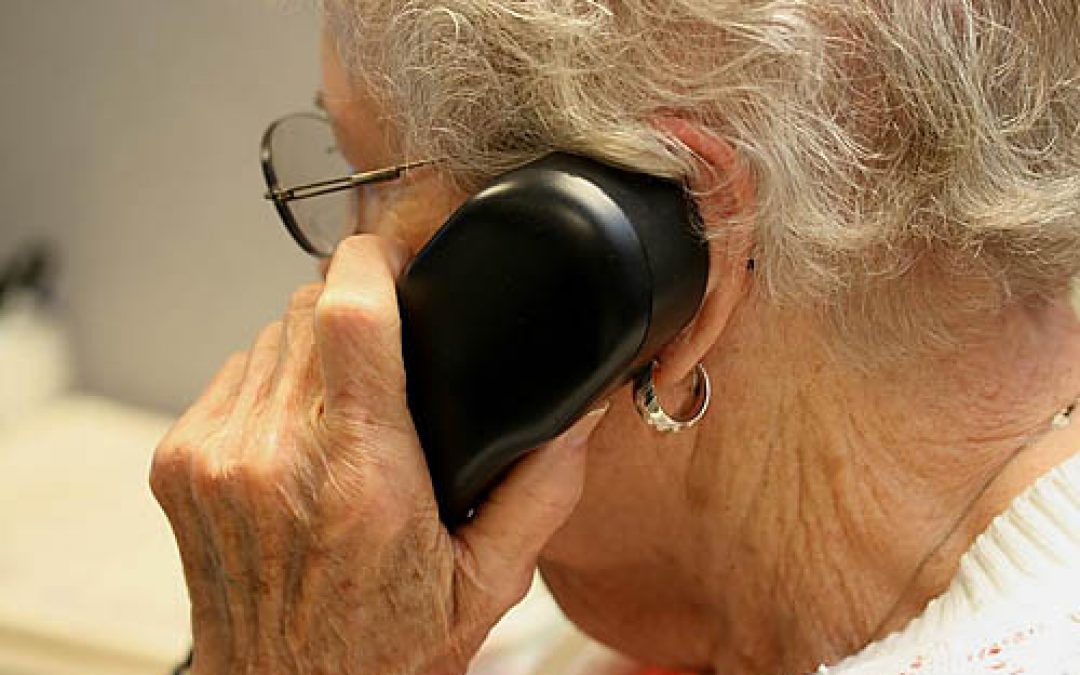
You may have heard of the fake calls from thieves pretending to be from the IRS. It can be a threatening robocall. Or it can be a male with an aggressive manner telling the recipient of the call that they will be arrested for owing back taxes if they don't pay immediately. These criminals carefully select older people and anyone they consider vulnerable to their fake pressure. Your aging clients could be a target and scammers want to terrify them.

How do they get the names of our aging parents? They buy them. Information is for sale, from lottery entry forms, contests, magazine subscriptions and from hacking whatever can be hacked. Identity information can even be purchased on the black market. "Information brokers" have been around for decades and so have these telephone scams. Supposedly, the entities that sell the names don't care what the buyer does with them. There are likely millions of names and telephone numbers available to the scammers, given the nationwide nature of their ripoff efforts. Apparently, names and numbers are very easy for them to get.

Here's how it works: The caller catches the unsuspecting older person off guard. The call is official sounding: "This is Officer James with the Internal Revenue Service and I am calling about an urgent matter! Do not hang up!" Sometimes they are even able to secure a fake caller ID that says "IRS" or looks like a legitimate government entity to those with caller ID. There were also reported cases when they used the name and email address of a CFPB employee.

They then tell the stunned elder that they or their spouse has an overdue debt to the IRS and if it is not paid immediately they will be arrested. Of course, they want the elder to use a wire transfer or a prepaid debit card so the thief can't be traced. The frightened person will hurriedly comply and realize only later that it was a scam. In the moment of reacting to the threat, they are not thinking clearly. They are moved by fear--just what the thief was hoping for.

No matter how many public service announcements are sent out, and no matter how many Federal Trade Commission, AARP or National Center on Elder Abuse warnings are posted, the scam is still working. We at AgingParents.com think the best way to keep our aging loved ones financially safer is to personally warn them yourself about these scams. They will probably listen to family more readily than they would seek information from the internet or official sources trying to spread the word. Of course, the IRS will never, under any circumstances call someone and demand payment of a debt. Their official communications about taxes are by snail mail.

If these evil scammers were not successful, they would stop doing this. But sadly, it works and they are relentless. My neighbors, many elders, have reported that they have gotten these calls this week. Beware. Please take the time to alert your loved ones to this problem. And don't think your mentally alert aging loved one is too smart to fall for this. No one is immune from being shocked and intimidated by a sudden call. It can happen to anyone.

We at AgingInvestor.com think the best way to keep your older clients financially safer is to personally warn them yourself about these scams. They will probably listen to family more readily than they would seek information from the internet or official sources trying to spread the word. Of course, the IRS would never, under any circumstances call someone and demand payment of a debt. Their official communications about taxes are by snail mail and that is not likely to change anytime soon.

If these evil scammers were not successful, they would stop doing this. But sadly, it works and they are relentless. My own neighbors, many elders, have reported that they have gotten these calls this week. Beware. Please take the time to alert your clients to this problem. And don't think your ever so sharp client is too smart to fall for this. No one is immune from being shocked and intimidated by a sudden call. It can happen to anyone.

If you want to send a friendly letter to your clients about this scam and don't have time to put it together, we make it easy for you. Just go to this link and download a free pre-made letter to send out.

Revise it with your name or firm name and you'll look good by showing that you do care about their financial safety. You'll never regret doing your part to thwart thieves and prevent financial elder abuse.
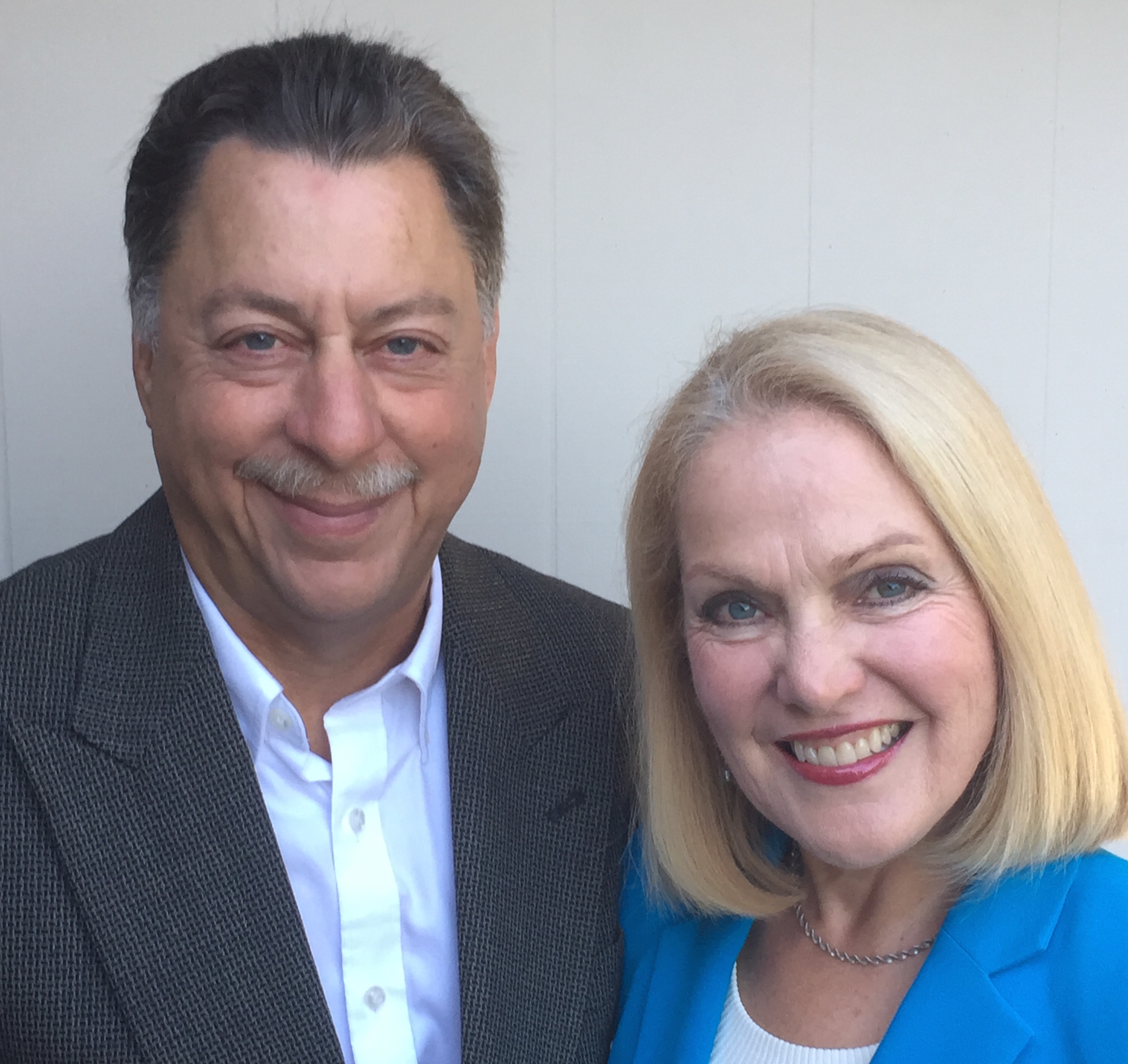


 

Dr. Mikol Davis and Carolyn Rosenblatt, co-founders of AgingInvestor.com

Carolyn Rosenblatt, RN, Elder Law Attorney offers a wealth of experience with aging to help you create tools so you can skillfully manage your aging clients. You will understand your rights and theirs so you can stay safe and keep them safe too.

Dr. Mikol Davis, Psychologist, Gerontologist offers in depth of knowledge about diminished financial capacity in older adults to help you strategize best practices so you can protect your vulnerable aging clients.

They are the authors of "Succeed With Senior Clients: A Financial Advisors Guide To Best Practice," and "Hidden Truths About Retirement And Long Term Care," available at AgingInvestor.com offers accredited cutting edge on-line continuing education courses for financial professionals wanting to expand their expertise in best practices for their aging clients. To learn more about our courses click HERE

Nipping A Predator In The Bud: How Fast Action Saved A Client From Abuse

Nipping A Predator In The Bud: How Fast Action Saved A Client From Abuse

Consider what you would do in this true case study. The advisor did not step up. Would you? Rhonda is 91 and lives independently. She has a few million in invested assets managed by her longtime advisor. Apparently, he forgot the requirement to "know your client". Rhonda started playing the sweepstakes a year before things came to a crisis point. She got really excited about the prospect of winning. A scammer, who probably purchased her name from the sweepstakes companies, got in touch with her by phone. "You've won!" he exclaimed excitedly. He then went on to use a classic scammer's trick. He told her she could get her million-dollar check if she would just pay the "fee" for transferring the funds. Sometimes the trick is paying the "taxes" or the "insurance fee". It's all the same. The scammer claims that they will deliver the check in person in exchange for the cash from the mark, often an elderly person. Luckily, Rhonda's son found out and he and his brother tried hard to talk their mother out of this. She insisted that they didn't understand and that "Mr. Banks" (don't you love the name?) was a good person and he was going to deliver her winnings to her for real. No amount of reasoning could persuade her she was about to be victimized. Her son, Jamie called us at AgingParents.com. "What can I do?" he asked.

We had to act fast as "Mr. Banks" was coming the following week in person. Rhonda was still the trustee over her multi-millions despite the fact that she had been showing clear signs of cognitive impairment for over two years. No one had taken any steps to keep her safe until this crisis. We asked Jamie to get her trust and any estate planning documents ASAP. He did so. In reviewing them, I saw that he was a co-trustee on the trust. It also revealed that Jamie was the "attorney in fact" on mom's Durable Power of Attorney and that he could act immediately. He got careful step-by-step instruction as to how to stop transactions on her accounts, and how to confront the nefarious "Mr. Banks" when he called to set up a time to meet with Rhonda. He also got advice about how to either get Rhonda to resign as trustee or to have her removed if she resisted. I personally called Rhonda's financial advisor to let him know about the imminent abuse, that transactions should be held until either Rhonda resigned as trustee or until Jamie could put a stop to Rhonda's attempts to get thousands of dollars for the predator. The options to stop his client would take a few days at least.

The advisor gave me a helpless-sounding response: "I don't know of anything I can do". Really? In the face of regulators insisting that you keep aging clients safer, that you address elder financial abuse and that next year you will be required to report abuse? Really? In the face of an upcoming regulation from FINRA that you can, in fact, hold transactions for two weeks in just this kind of situation? I was shocked at the lack of attention he paid to his own client's risks. The outcome on this matter was successful. Jamie used the power of attorney to stop any transfers out of Rhonda's account. She was too confused to argue with that action. When "Mr. Banks" called, Jamie was present and asked him "Who are you anyway?" Banks claimed he was a long lost relative and when Jamie told him to get lost, he actually did. Rhonda did not hear from him again. Whew, close call! The takeaways for advisors from this true case are these:

  1. Know your client. Diminished capacity leaves a trail. Stay in communication with your aging client's family members, particularly those who are on their estate planning documents appointed to take over in the event of incapacity. Know them too.
  2. When you are informed of any clear case of imminent abuse, hold transactions. It's that simple. Stop predators. Don't play helpless. You do know what to do. See the compliance department of your organization if you are unsure about this. It should be clear – do what is necessary to keep your client safe!
  3. Recognize that your oldest clients, age 85 and up are at very high risk for dementia or diminished capacity. The risk is at least one in three. Some experts put it at 50%. Therefore, you need to be on the lookout for signs of diminished capacity and to have a plan in place to address it with those who are in the position to take other protective action. In the earliest stages of dementia, a person loses financial judgment and is a prime target for scammers of all kinds.                                                                                                                                                       Learn more about what you can do to stop financial abuse at AgingInvestor.com.


Dr. Mikol Davis and Carolyn Rosenblatt, co-founders of AgingInvestor.com

Carolyn Rosenblatt, RN, Elder Law Attorney offers a wealth of experience with aging to help you create tools so you can skillfully manage your aging clients. You will understand your rights and theirs so you can stay safe and keep them safe too.

Dr. Mikol Davis, Psychologist, Gerontologist offers in depth of knowledge about diminished financial capacity in older adults to help you strategize best practices so you can protect your vulnerable aging clients.

They are the authors of "Succeed With Senior Clients: A Financial Advisors Guide To Best Practice," and "Hidden Truths About Retirement And Long Term Care," available at AgingInvestor.com offers accredited cutting edge on-line continuing education courses for financial professionals wanting to expand their expertise in best practices for their aging clients. To learn more about our courses click HERE

What To Watch For: Aging Clients and The Sweetheart Scam

What To Watch For: Aging Clients and The Sweetheart Scam

What To Watch For: Aging Clients and The Sweetheart Scam

If it didn't happen so often, there would be no need to warn your single, widowed clients about it. But every day, someone gets taken in by a "special someone" who appears to have only your client's interests at heart. The special someone is a scam artist who knows just how to get an unsuspecting lonely man or woman into the web of deception. And then they finagle money out of your client and run.

Some of these scammers are skillful repeat offenders. Some just see an opportunity and proceed to milk it for all it's worth. Take the case of Tommy, whose wife was ill with cancer. He used to take his clothes to the local dry cleaner every week and he got friendly with the woman who ran the business. She loved to chat and gossip and he was lonely with his caregiving, cooped up with the daily chores he had to do for his ailing wife. Norma, the dry cleaner heard all about it.

Just after his wife passed, Tommy got a visit from Norma. She was so consoling and comforting. He felt like he had a real friend. She had heard about his wife's illness for over a year and was ever so sympathetic. She also knew he had money. Within a month she had moved in with Tommy.

Over the next six months of giving Tommy her undivided attention, she managed to persuade him to give her "loans" of over $300K. She promised to stay with him forever. He loved the flattery and feeling special. No sooner had Norma gotten the last of what she could easily take, she promptly sold the dry cleaning business and disappeared. This is not such an unusual story.

Here's what every financial professional needs to know about the Sweetheart Scam. Professional predators comb the obituaries for stories about the beloved widow or widower left behind. They look for those who have been with a deceased who was a business leader, a banker, a financially successful person. They choose the ones who may be likely targets, the survivors who have means. They scope out how to meet them and seize the opportunity to take advantage of loneliness.   They will stop at nothing to get in the door. And sooner or later they always need "a temporary loan" or a little help to get out of an unfortunate jam. If it works, they up the ante. This can go on until they have bankrupted a widow or widower. It will at least drain available cash if no one is watching.

That's where you come in, the financial professional with the ability to notice when unusual withdrawals are coming out of your client's account. Once the scammer has gotten control over your client's emotions, it may be too late to stop the scam. Your client is "in love" or at least addicted to the showered on attention. She won't believe your warning then. The heads-up must come early, before an opportunist has a chance to cast a spell.

Here's the takeaway: any recently widowed client in your book is a potential target. Do these things:

  1. Gently raise the subject of being careful of any stranger he/she meets soon after the loss of a spouse. Warn with empathy and facts.
  2. If your client claims he's met a "special someone" do some digging. Google the person he names. Ask a few probing questions. See what your client may not be able to see. Share the data you glean with your client.
  3. Be sure you have contact information for a family member or trusted friend of your client whom you can call if you see something suspicious. Call them if you think your client is in danger, particularly if your client doesn't want to hear your warning.

That protective posture you take on can save your client from disaster.

Financial elder abuse takes many forms besides the Sweetheart Scam. It is called "the crime of the century", it is so prevalent. With the right know-how, you can stop it and keep your clients safer. Take a deeper dive into this subject in a book written just for you, Succeed With Senior Clients: A Financial Advisor's Guide to Best Practices. Get a look at it here.

Carolyn Rosenblatt, RN, Elder Law Attorney & Dr. Mikol Davis, Gerontologist

AgingInvestor.com and AgingParents.com


Dr. Mikol Davis and Carolyn Rosenblatt, co-founders of AgingInvestor.com

Carolyn Rosenblatt, RN, Elder Law Attorney offers a wealth of experience with aging to help you create tools so you can skillfully manage your aging clients. You will understand your rights and theirs so you can stay safe and keep them safe too.

Dr. Mikol Davis, Psychologist, Gerontologist offers in depth of knowledge about diminished financial capacity in older adults to help you strategize best practices so you can protect your vulnerable aging clients.

They are the authors of "Succeed With Senior Clients: A Financial Advisors Guide To Best Practice," and "Hidden Truths About Retirement And Long Term Care," available at AgingInvestor.com offers accredited cutting edge on-line continuing education courses for financial professionals wanting to expand their expertise in best practices for their aging clients. To learn more about our courses click HERE