

Three Retirement Mistakes Sure To Create A Mess For Your Client’s Family

Three Retirement Mistakes Sure To Create A Mess For Your Client’s Family

With 10,000 Boomers turning 65 every day, no wonder there is so much talk about retirement. You may be planning busily to get your clients a stable income and keep the portfolio on track. But besides advice on how to "have a secure retirement" and "maintain your lifestyle" there's some important information too few are taking about. That's the retirement-era mistakes people make that are pretty much guaranteed to leave their families in a stressful mess no matter how well you manage their finances. Long experience here at AgingInvestor.com and  AgingParents.com has revealed much about retired older clients. We hear about what your aging clients do and don't do to make life stressful for their adult children.  Here are what we call the Top Three of numerous errors aging clients make that you can at least remind them to avoid. Maybe you don't get too far into their personal lives and relationships with their adult children, but we think you should go farther than is traditional for you to do. Their financial safety is at stake.

Mistake Number One: They never discuss finances with their spouses or adult kids. It's private, they think.

The problem with this is that they're not going to live forever. Family members need to know where the funds are, what you're managing and what to do when the patriarch or matriarch becomes impaired or dies. Most people do suffer health declines as they age and millions will develop dementia. What then? You can't take direction from a client who is too incapacitated to make a decision about finances. Encourage family meetings. Persuade your older clients of the necessity to communicate about finances so you can rely on a surrogate decision maker when or if your client loses mental capacity. You need to take leadership on this if the client doesn't do it. The family needs to be prepared or suffer extreme stress when things go wrong for the aging parent.

Mistake Number Two: They believe they'll never fall for a scam. They're way too smart for that.

Very smart and capable folks get taken by scammers every day. In fact, some of your experienced and capable clients develop Alzheimer's disease and can cover it up for a long time. But they lose financial decision-making capacity early in the disease process when other functions seem fine. Impaired people are more vulnerable than ever. You need to involve your client and family in awareness of the latest scams and fraud targeting seniors. Make it your business to give them information and links to good resources like the AARP Fraud Watch Network. They need to be aware of telephone scams, ID theft, and Internet thieves. When you protect their money, you protect your fees. If your client gets taken by a scam, chances are their family will have to help clean up the mess.

Mistake Number Three: They think they don't need to plan for long-term care. They'll never need it of course.

This mistake involves both you as a financial professional as well as retirement age clients in denial about ever needing expensive help for disabling conditions. For your part, your industry is inaccurately providing statistics about how much a retired couple, age 65 will need for "out of pocket medical expenses" and you guide clients accordingly. That is not fair to them because it is not truthful. Out of pocket medical expenses are not limited to the average cost of Medicare supplemental insurance and non-covered prescription costs. That's what you may have relied on. Wrong. How about hearing aids, dental work, help at home from an agency worker, adult day centers and the many other aspects of long-term needs? Educate yourself first and then advise your clients. Long-term care could otherwise bankrupt them. And the family will bear the burden of caring for them then.

Perhaps your viewpoint is limited to the funds you manage and the income targets you and the client have decided upon. But there is far more to the retirement picture than that. We encourage you to take a deeper dive into retirement planning and gain a realistic view of how you can help clients avoid these big mistakes.
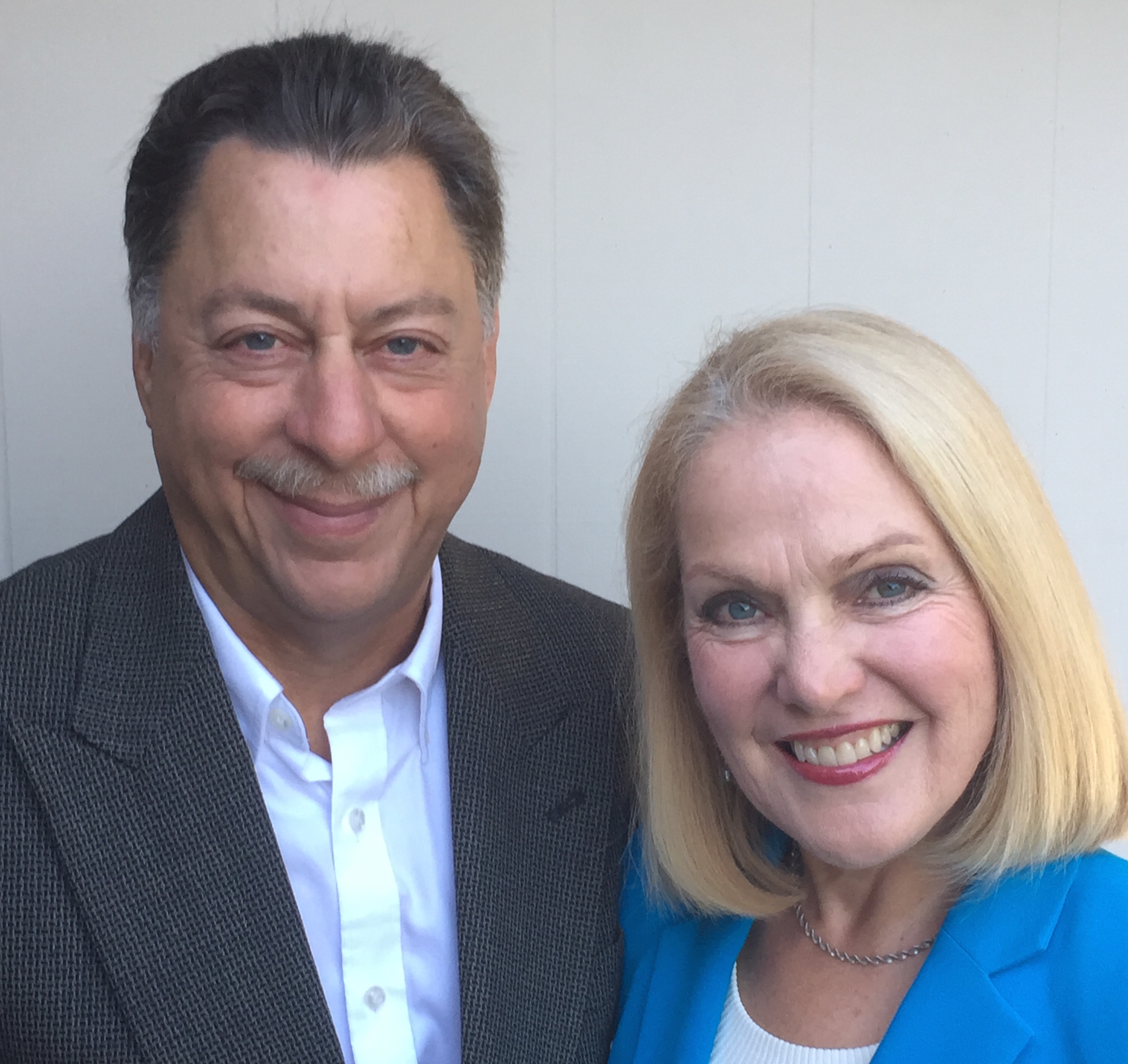


Dr. Mikol Davis and Carolyn Rosenblatt, co-founders of AgingInvestor.com

Carolyn Rosenblatt, RN, Elder Law Attorney offers a wealth of experience with aging to help you create tools so you can skillfully manage your aging clients. You will understand your rights and theirs so you can stay safe and keep them safe too.

Dr. Mikol Davis, Psychologist, Gerontologist offers in depth of knowledge about diminished financial capacity in older adults to help you strategize best practices so you can protect your vulnerable aging clients.

They are the authors of "Succeed With Senior Clients: A Financial Advisors Guide To Best Practice," and "Hidden Truths About Retirement And Long Term Care," available at AgingInvestor.com offers accredited cutting edge on-line continuing education courses for financial professionals wanting to expand their expertise in best practices for their aging clients. To learn more about our courses click HERE

How Much Retirement Income Will Aging Clients Need? More Than You Think!

How Much Retirement Income Will Aging Clients Need? More Than You Think!

How Much Retirement Income Will Aging Clients Need? More Than You Think!

Financial professionals do their best to guesstimate how much income a person will need to maintain a client's lifestyle in retirement. Figures vary, with averages being $50,000 a year and up. They are based on various median ranges of things like out of pocket medical expenses, cost of living and the like. But you can't predict how long your aging client will live. All your calculations can be for naught if you totally miss how much it really costs to live to be in one's 90s.

Let's look at a real person who is in some ways atypical in that she is in pretty good health at 94 and can still get around on her own. A lot of those who are 90+ can't. They need more help and help costs more than most retirement calculators accurately predict. Could you do the math on this one, in advance?

"Evelyn" was widowed 8 years ago. She lived in a big house in a lovely gated seniors' community with all the amenities: golf courses, pools, recreation centers, clubhouses, restaurants and many activities. But after she lost her husband three pivotal things happened. First, she became more isolated. Some of her friends moved away to assisted living or to be closer to family.  Next, she got more and more lonely. And third, her own health began to decline in that it was harder to walk and use her hands due to arthritis. She decided to move.

She sold her free and clear house and invested the cash. One would think that the proceeds of over $350,000 would be a nice cushion to pay for her move to a smaller seniors' apartment where help was available, even though she was still able to do her own personal care unassisted. Moving from a 2800 square foot home to an 800 square foot apartment should be a savings, right? In the seniors' complex, meals, linen changes, cleaning and transportation to appointments are provided, along with many social activities on site and in the community. The transportation service allowed her to give up driving, which it was time to do at her age. It also eliminated the struggle of having to shop, do housekeeping and cook all the time. She had a community now. But at what cost?

In the four years since she sold her house, she depleted all of the sales proceeds from the home. Why? She has expenses she didn't really plan for. She was not able to predict these expenses accurately. Her out of pocket medical costs were for things not covered by either Medicare or supplemental health insurance. In a single year, that figure was over $2000.  The medications she takes for her blood pressure, heart and other chronic health conditions are keeping her going but the part not covered by insurance cost her another $5000.  A premium for her supplemental insurance (also called Medigap coverage) is almost $3000 a year.

The lowest level of "care" in the seniors' apartment means that no help is needed with bathing, walking, dressing, eating, bathroom, and moving from bed to chair and back.  The rent and services in a high-value real estate area where her apartment is located started at $5000 a month. Last year it cost $66,000 for the year and it increases every year. This year's rent is $300 a month more than it was in 2016. And that is without assisted living, which would cost at least another thousand dollars each month.

Evelyn had a hospitalization last year due to her blood pressure. After she came home, she needed a helper, whom she hired independently for a few weeks. That cost was also not covered by any insurance. In the years since her husband passed, Evelyn also had to get a lot of dental work done. In the space of a few years, she spent over $50,000 on her teeth, with implants and several surgeries to get it right. And it was harder to hear. She spent $5000 on hearing aids with the ongoing expense of battery replacements.  Dental and hearing aids are also not covered by Medicare or supplemental insurance.

What will it cost Evelyn to live an enjoyable but not extravagant life in a modest seniors' apartment next year, assuming she is still able to do her personal care independently? The tab will be at least $97,000 without dental and hearing aid expenses. Do you and your clients plan for that?

The long-term health conditions Evelyn has will likely push up the out of pocket expenses she faces as she reaches 95. She says she wants to live to be 100. She is a fortunate person in that her investment income is about the same as her cost of living.  But not every client you have is so blessed.

Sure some of Evelyn's costs of living are cheaper where real estate costs less. Medical costs may be somewhat less too in other parts of the country and you plan according to where your client lives. But the reality is that there are likely to be huge out of pocket medical cost with aging. When you do retirement planning it's not only about the calculator. It's about the very real, somewhat unpredictable effects of living a long time and the toll it takes financially on your aging investors.

Here are the important takeaways:

  1. Widowhood changes the picture. Discuss with your clients what they would want if widowed. Where would they live? What would they need to be comfortable and safe?
  2. Expect everything about living to age 90 and above to cost more than anyone says it will.3. Be sure your older clients understand that Medicare does not cover dental, hearing aids, much medical equipment, home-helpers, transportation and certain medications. They must be ready to cover these expected costs that are part of aging for almost everyone.
  3. The cost of living in retirement does not go down, as people get older. The supports they are likely to need cost more over time, not less.

Learn more about the psychology of aging clients, how to communicate better with them and how to best deal with typical problems aging clients present in Succeed With Senior Clients: A Financial Advisor's Guide to Best Practices. Click here to get your digital or hard copy today!

Carolyn Rosenblatt, R.N., Elder Law Attorney, & Dr. Mikol Davis, Gerontologist co-founder of AgingInvestor.com

One Thing Advisors Should Never Do In Retirement Planning

One Thing Advisors Should Never Do In Retirement Planning

I recently saw an article about retirement planning, describing that one should consider where nursing home care is the most affordable and think about moving there. As if it were in the category of nicest cities to retire in or best recreational opportunities. I am appalled when I see these comments. For openers, no one I've ever met would choose a nursing home for long-term care if any other possible option were available. If a client can afford any other arrangement, try planning for that. Consider home care, adult day services, home health agencies and whatever long term care insurance can cover. Never tell them to plan for a nursing home.

There are of course good, well-run nursing homes where long-term care is delivered competently and with skill. Unfortunately there are a lot of other nursing homes where the opposite is true. In my opinion as one who has worked in them as an aide and an RN and who has sued a few as a lawyer, I can only urge caution. They can be dangerous places.

In our society, we do not have special nursing homes for elders who were, at an earlier time in life, convicted of serious crimes. We do not have special nursing homes for those who suffer from mental illness. If the resident does not have mental symptoms serious enough to be placed in a mental hospital, particularly if skilled nursing care is needed for physical conditions, the mentally ill elderly are in the same place as your Grandma, your client or anyone else. Many people with dementia are also cared for in nursing homes. Some have separate units for dementia care but others do not. There are behavior issues with these residents that can and do affect other residents.

Nursing homes are referred to as "skilled nursing facilities" (SNFs), long-term care facilities, rehab facilities and care homes. No matter what you call them, good care can happen and danger may lurk as well in any of them.

Planning for long term care is an essential part of planning for retirement. Nearly 70% of us are going to need that care at some point. If your client needs full time 24/7 care in the future, plan for the possibility of paying for it at home. Many aspects of care, including skilled care can be delivered through licensed home health agencies. Planning for a last resort that is risky does not seem the best way to plan for one's later years.

Here are three reasons why you should avoid telling your client to live where there are affordable nursing homes. That assumes that your client would have to accept living in one.

  1. Abuse from other residents

A recent study of New York nursing homes conducted over one month found that, conservatively, one in five nursing home residents are the victims of abuse by other residents. Rates of abuse were significantly higher when nurse aides have a higher numbers of residents to care for and in dementia units. Most of the abuse was verbal, but some involved hitting (11.3%) or pushing (10.3%) and a smaller percent that were sexual.

  1. Overuse of antipsychotic drugs

The Independent Drug Information Service reports that antipsychotic medications are often overused in older patients in nursing homes, and they increase risk of death and can cause substantial side effects.

  1. Risk of eviction if a client outlives her assets

An expert in the field is Pat McGinnis, Executive Director of California Advocates for Nursing Home Reform. She sees long term care residents who are out of money being tossed out of some homes in favor of residents who can pay the high cost of living there. She stated “there is an epidemic of illegal and unsafe evictions from nursing homes throughout the state and this (referring to an eviction case) is perhaps the worst case I have ever seen. Nursing homes increasingly focus on higher paying therapy residents at the expense of poorer long-term or 'custodial' residents. When residents threaten this profit-making model, they all too often are thrown out illegally.”

There is no question that the complexity of some medical conditions and the need for skilled nursing around the clock makes it necessary for some older folks to live in nursing homes. Every person who plans to retire and is realistically looking ahead must recognize that she may need help one day and that help might get very expensive.

Any professional discussing retirement assets, spending, budgeting and how to stretch a client's money over many years of retirement should include the discussion about the last years and the cost of care. I am an advocate for using every conceivable alternative to nursing homes for planning purposes. Although a few are innovative and patient-centered, too many look and feel like a hospital, not a place to stay long term. Do your best planning to keep your clients at home with long-term care in place.

by Carolyn Rosenblatt, RN, Elder Law Attorney, & Dr. Mikol Davis, Gerontologist co-founders AgingInvestor.com

The Myth of That “Nice Long Life Ahead” at Age 65

The Myth of That “Nice Long Life Ahead” at Age 65

Probably I'm not the only one who has seen the deluge of ads on TV for Medicare supplement insurance. One that really bothers me though is the bit with the actress saying she's only in her 60s and "I've got a nice long life ahead." She's so smug and so sure she's just fine and will stay that way.


The ad taps into the belief most people cherish, which is that impairments happen to other people and that they will just keep being fine, at any age. People say they want to live to be 100. Their imagination is that they will be perfectly capable in all ways and will not need any help at 100. That is belief, not truth.


What makes a "nice long life" anyway? No one ever wants to think about infirmity and cognitive decline. And yet, by the time we reach that nice old age of 85 at least one in three of us, and maybe even one in two will have Alzheimer's disease. Not so nice. And oh, by the way, that supplement insurance the actress is promoting doesn't pay for care if you need it at home long term. Neither does Medicare.


Every financial planner who has a client over age 65 needs to be considering that the "nice long life" that is part of our cultural fantasy is indeed dreaming for most people. It's not about longevity. That we've probably got. It's about good health in old age. That, we have definitely not totally figured out. As 10,000 people a day are now turning 70, it's time to get past fantasy and consider how to make that long life a lot safer financially.


Are your client's assets enough to pay for the care they are likely to need? If not, you, the client and her family must engage in the essential discussion about who will care for the client as she ages and how much it will likely cost. One must do the math. The cost of caring for someone with dementia at home is staggering. And the advisor needs to calculate it. This is not considering the usual figures thrown around about "the average couple at age 65 will spend "x" dollars on out of pocket medical expenses for their lifetimes". None of those commonly used figures consider what it may cost to pay for a person with Alzheimer's disease who lives for 7-20 years with the disease. Help from someone will be absolutely necessary for anyone with dementia.


Your portfolio review with a client at retirement is a good time to talk it over and bring up the actual, not fantasy prospects for the future. And here's hoping you will not be influenced by stupid TV commercials about what the future may look like. Longevity can be wonderful, yes, and you can help make it financially safer for your older clients. A nice long life is certainly possible. And a long life with accessible assets to cover long term home care near the last phase of life is ideal.


Carolyn Rosenblatt, RN, elder law attorney, AgingInvestor.com

What Does It Really Mean to “Know Your Client”?

What Does It Really Mean to “Know Your Client”?

Every advisor understands that you are theoretically required to know your client. But does one or two contacts a year after you do retirement planning suffice? When it comes to aging clients we at AgingInvestor.com think it takes a lot more than that. Here's a real case that illustrates the problem with an advisor not really meeting this obligation.

Nigel is 80 and his wife, Berta is 84. Each had a large estate of separate property when they got married. Nigel owned a home in an expensive county and Berta had her own inheritance. They had had the same financial firm in a different state from where they now live for decades.

We got involved at the point of a desperate call from Nigel. His wife was being discharged from the rehab facility, he was told and he wasn't sure what to do. He had the means to pay for private care and that was what he wanted. I consulted with him at some length and asked about the medical records. He obtained them at my request. The news was not good. His wife was terminally ill and plans for how to manage her had not been discussed with anyone: not the doctors, not the rehab folks, no one.

A person's choices about care are driven largely by how much they have in assets that can be spent on care. I asked. He contacted his financial advisor and we all spoke together. There was plenty to cover the need, but at that point I learned that Nigel and Berta had never done any estate planning. No will, no trust, no beneficiary designation on any account naming the other as a recipient when one passed.

Where was the financial advisor in all this? Ignorant. Not involved in encouraging her clients to do what would benefit both of them. She apparently did not keep in touch with them, despite that Berta had been ill for over a year. She did not know that Berta was gravely ill and going into hospice care (comfort measures only for the terminally ill). She did not know that they were about to incur a daily cost for a private room in a well appointed nursing facility at a cost of $430 a day.

Scrambling to find an estate-planning attorney and get advice, we did accomplish what the advisor could have urged her clients to do long before this crisis. Nigel does not use a computer. The advisor emailed the power of attorney and beneficiary designation form to me and I ensured that it was signed and sent back. Now Nigel is on his wife's account, and can access her funds, should she lose consciousness. Why, I asked did this long time advisor not do this much earlier in the planning process? At least Nigel, who needs a trust for his estate, will now have one done, no thanks to any advice from his long time advisor.

Adding value for your clients takes more than the latest algorithm and getting the best returns. It takes knowing them, their life situations, the risks posed by aging and the skill to look at the anticipated expenses of care as clients near the end of the road. The nursing home cost for what Berta needs now is not covered by Medicare.

The simplest takeaway from this: contact your clients every six months if they are at retirement age. Keep in communication and know them, not just their assets. It's the least you can do.

Learn about the actual cost of care and how to help your clients with long term care planning in Succeed With Senior Clients: A Financial Advisor's Guide to Best Practices. Click here to download your copy today.

Carolyn Rosenblatt, R.N., Elder Law Attorney & Dr. Mikol Davis

co-founders of AgingInvestor.com and AgingParents.com