

An Important Question For Your Clients Contemplating Retirement

An Important Question For Your Clients Contemplating Retirement

An Important Question For Your Clients Contemplating Retirement

Longevity is increasing, as millions of Americans are living to 90 years and above, the U.S. Census Bureau reports. Will any of these long-lived folks be the parents of your current clients? Some clients reaching retirement age themselves will be dealing with the challenges of their aging family members, even as they plan their own retirement years.

One critical question perhaps not built into your calculations for retirement income needs should be whether your clients can reasonably expect to have to support their aging parents. As reported by NPR citing the Census Bureau report, nearly 20 percent of 90- to 94-year-olds live in nursing homes. Among those 95-99, about 31 percent are in nursing homes. And in the 100+ population, 38.2 percent live in nursing homes. Who pays for that care?

Most financial advisors have a basic understanding that Medicare benefits are very limited when it comes to nursing home care. Post hospitalization, the maximum benefit is 100 days and most people do not receive even that, due to qualification requirements. For those who have to live in nursing homes long term, rather than for shorter stays involving rehabilitation such as physical therapy, the costs are paid out of pocket. The exception is for the lowest income elders. For them, Medicaid pays the cost of long term nursing home care. For everyone else, a long stay in a nursing home can wipe out an older person’s assets. The financial burden then falls on family who may have the means to prevent the impoverishment of their loved one.

Some adult children will not allow Mom or Dad to live in a nursing home long term. Maybe it was a promise they made to the aging parent. Essentially, it is no one’s first choice of where to go when care is needed. If a family has some assets but does not want to wipe out their own retirement income by paying for nursing home care or even full-time home care, the most cost effective solution is to take in the aging parent.

There is a cost involved in this choice as well, and it extends to many factors beyond money. Every family relationship in the household is impacted. Some adult children are not patient, not willing and not good at caring for an impaired aging parent in declining health. For others it is seen as an honor and a final chance to give back to the parent in gratitude for what the parent did for them over a long lifetime. Individuals vary in their perspectives, ability and willingness to take in an aging loved one.

Some families take in an aging parent and pay for part-time help, providing a significant part of the caregiving themselves. Others pay for assisted living for an aging parent, but that is not suitable for those who need care around the clock. Others allow a parent to spend down their assets until they can qualify for state paid nursing home care. The parent is then placed there somewhat as a last resort.

No matter what choice a client will make about an aging parent, it is important that the financial professional in their lives helps them see the big picture and plan according to anticipated needs for both the client and the elders for whom they feel responsible.

The Takeaways

  1. Longevity is creating an issue for families who are facing years of decline in aging parents who may not have the means to pay for care on their own.
  2. Responsible financial advisors must raise the question with every retiring client: is there someone in your life that you will likely have to support financially during your retirement?
  3. Advisors and families alike must consider and plan for how any essential financial support should be handled by adult children of aging parents. Take in the parent? Supplement the parent’s income by paying for home care or assisted living?
  4. When the means are not available to offer financial support, and the physical needs for care are extensive, it sometimes becomes necessary to allow the aging parent to become impoverished and to qualify for Medicaid. Medicaid does pay for long term nursing home care.
  5. For those with sufficient investment income expected, financial support for aging parents can be part of an overall retirement planning strategy. It is up to the financial professional to help with this process.


Carolyn L. Rosenblatt, RN, Attorney, AgingInvestor.com ©AgingInvestor.com™

 If you the financial professional need a clear explanation of the actual costs of long term care, whether at home, in adult day centers, assisted living or skilled nursing, get the facts so you can plan with clients. It’s all laid out for you in Hidden Truths About Retirement & Long Term Care, available now. Click here to get your print, digital, or audio copy.

About Carolyn Rosenblatt and Dr. Mikol Davis

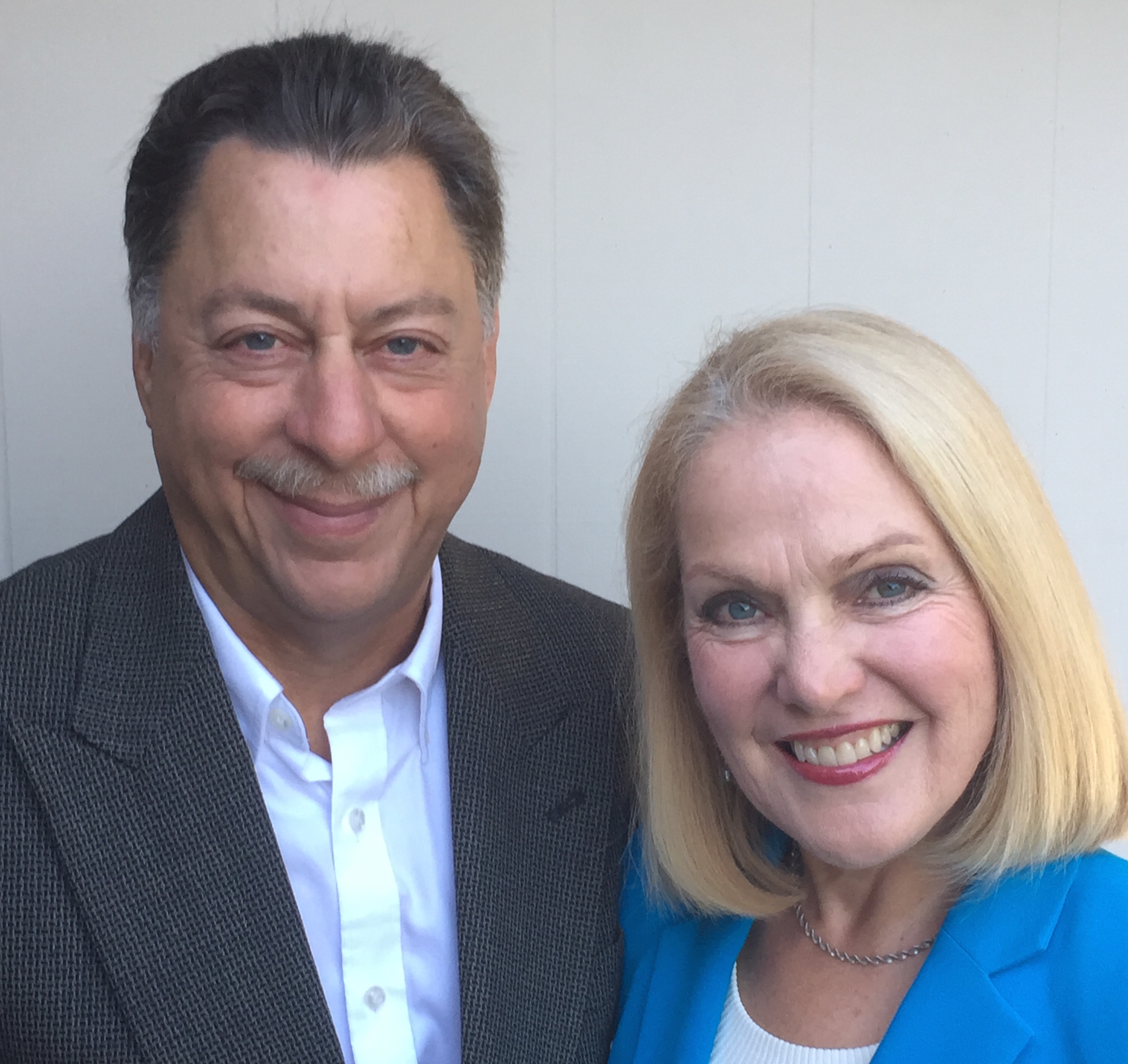
Carolyn Rosenblatt and Dr. Mikol Davis are co-authors of The Family Guide to Aging Parents (www.agingparents.com) and Succeed With Senior Clients: A Financial Advisors Guide To Best Practices. Rosenblatt, a registered nurse and elder law attorney, has more than 45 years combined experience in her professions. She has been quoted in the New York Times, Wall Street Journal, Money magazine and many other publications. Davis, a clinical psychologist and gerontologist, has more than 44 years experience as a mental health provider. In addition to serving his patients, Davis creates online courses and products to assist professionals and the public with understanding aging issues. Rosenblatt and Davis have been married for 34 years.

The Advisor’s Role With Your Older Client’s Successor Trustee

The Advisor’s Role With Your Older Client’s Successor Trustee

Most advisors understand that your aging clients have done estate planning and that at least some of their assets are in a family trust. If you have never discussed this state plan and trust with any client 65 and up, it's a necessity. Why?

Every person is at risk, at some point for losing the capacity to do the job of managing that family trust. The risk rises directly with aging. No matter how healthy and competent your client may be right now, and no matter how educated about finances, the risk remains. No one is immune. There could be a stroke, heart attack or other disabling illness that renders the client unable to do the tasks necessary for making financial decisions. And that most dreaded of all diseases, Alzheimer's can sneak up on anyone, with the chances of it being especially bad for a person 85 and up. Did you know that the odds of having Alzheimer's disease are about one in three, at least, by age 85? It’s downright scary.

Here is what every advisor needs to know about your client's appointed successor on the trust: you have to meet that person and establish a relationship with him or her. Otherwise, you will be groping in the dark if an emergency or cognitive impairment happens to your client.

When is the right time to find out who the successor trustee is if you don't already know? We recommend bringing up the subject at or near retirement. Your client is very unlikely to say to you, "Hey advisor, I'm retiring soon and we'd best discuss what happens if I lose my marbles". Not a chance of that, so we suggest you take the lead.

Here are the points that your client may resist, but that you need to bring up and some suggested ways to do that. This is a script you might use:

  1. At retirement, we all need to take a look at the long run, and how we could age. It is possible that any of us could become physically or mentally disabled at some point in the future. I need to know which people you trust and have appointed to take over for you in the event of an emergency or disability.
  2. Let's talk about the last time your estate plan was reviewed or updated. Are you still comfortable with the person you appointed to be your successor trustee? If so, I need to meet him/her at least by phone. In case of emergency, I need to be able to discuss your portfolio with your appointee.
  3. As a responsible person, I'm sure you would not want to leave managing your portfolio to chance should you have an accident or disabling illness. I need to get your written permission to communicate with your estate planning attorney and your successor trustee. I have a sample letter here for you to sign, granting that permission to me in case of emergency or illness. Does this look all right to you?

You can learn more about best practices with your aging clients at AgingInvestor.com where we cover the gamut of things you are likely to see. Get your Ten Red Flags of Diminished Capacity Checklist here.


Dr. Mikol Davis and Carolyn Rosenblatt, co-founders of AgingInvestor.com

Carolyn Rosenblatt, RN, Elder Law Attorney offers a wealth of experience with aging to help you create tools so you can skillfully manage your aging clients. You will understand your rights and theirs so you can stay safe and keep them safe too.

Dr. Mikol Davis, Psychologist, Gerontologist offers in depth of knowledge about diminished financial capacity in older adults to help you strategize best practices so you can protect your vulnerable aging clients.

They are the authors of "Succeed With Senior Clients: A Financial Advisors Guide To Best Practice," and "Hidden Truths About Retirement And Long Term Care," available at AgingInvestor.com offers accredited cutting edge on-line continuing education courses for financial professionals wanting to expand their expertise in best practices for their aging clients. To learn more about our courses click HERE

How Much Retirement Income Will Aging Clients Need? More Than You Think!

How Much Retirement Income Will Aging Clients Need? More Than You Think!

How Much Retirement Income Will Aging Clients Need? More Than You Think!

Financial professionals do their best to guesstimate how much income a person will need to maintain a client's lifestyle in retirement. Figures vary, with averages being $50,000 a year and up. They are based on various median ranges of things like out of pocket medical expenses, cost of living and the like. But you can't predict how long your aging client will live. All your calculations can be for naught if you totally miss how much it really costs to live to be in one's 90s.

Let's look at a real person who is in some ways atypical in that she is in pretty good health at 94 and can still get around on her own. A lot of those who are 90+ can't. They need more help and help costs more than most retirement calculators accurately predict. Could you do the math on this one, in advance?

"Evelyn" was widowed 8 years ago. She lived in a big house in a lovely gated seniors' community with all the amenities: golf courses, pools, recreation centers, clubhouses, restaurants and many activities. But after she lost her husband three pivotal things happened. First, she became more isolated. Some of her friends moved away to assisted living or to be closer to family.  Next, she got more and more lonely. And third, her own health began to decline in that it was harder to walk and use her hands due to arthritis. She decided to move.

She sold her free and clear house and invested the cash. One would think that the proceeds of over $350,000 would be a nice cushion to pay for her move to a smaller seniors' apartment where help was available, even though she was still able to do her own personal care unassisted. Moving from a 2800 square foot home to an 800 square foot apartment should be a savings, right? In the seniors' complex, meals, linen changes, cleaning and transportation to appointments are provided, along with many social activities on site and in the community. The transportation service allowed her to give up driving, which it was time to do at her age. It also eliminated the struggle of having to shop, do housekeeping and cook all the time. She had a community now. But at what cost?

In the four years since she sold her house, she depleted all of the sales proceeds from the home. Why? She has expenses she didn't really plan for. She was not able to predict these expenses accurately. Her out of pocket medical costs were for things not covered by either Medicare or supplemental health insurance. In a single year, that figure was over $2000.  The medications she takes for her blood pressure, heart and other chronic health conditions are keeping her going but the part not covered by insurance cost her another $5000.  A premium for her supplemental insurance (also called Medigap coverage) is almost $3000 a year.

The lowest level of "care" in the seniors' apartment means that no help is needed with bathing, walking, dressing, eating, bathroom, and moving from bed to chair and back.  The rent and services in a high-value real estate area where her apartment is located started at $5000 a month. Last year it cost $66,000 for the year and it increases every year. This year's rent is $300 a month more than it was in 2016. And that is without assisted living, which would cost at least another thousand dollars each month.

Evelyn had a hospitalization last year due to her blood pressure. After she came home, she needed a helper, whom she hired independently for a few weeks. That cost was also not covered by any insurance. In the years since her husband passed, Evelyn also had to get a lot of dental work done. In the space of a few years, she spent over $50,000 on her teeth, with implants and several surgeries to get it right. And it was harder to hear. She spent $5000 on hearing aids with the ongoing expense of battery replacements.  Dental and hearing aids are also not covered by Medicare or supplemental insurance.

What will it cost Evelyn to live an enjoyable but not extravagant life in a modest seniors' apartment next year, assuming she is still able to do her personal care independently? The tab will be at least $97,000 without dental and hearing aid expenses. Do you and your clients plan for that?

The long-term health conditions Evelyn has will likely push up the out of pocket expenses she faces as she reaches 95. She says she wants to live to be 100. She is a fortunate person in that her investment income is about the same as her cost of living.  But not every client you have is so blessed.

Sure some of Evelyn's costs of living are cheaper where real estate costs less. Medical costs may be somewhat less too in other parts of the country and you plan according to where your client lives. But the reality is that there are likely to be huge out of pocket medical cost with aging. When you do retirement planning it's not only about the calculator. It's about the very real, somewhat unpredictable effects of living a long time and the toll it takes financially on your aging investors.

Here are the important takeaways:

  1. Widowhood changes the picture. Discuss with your clients what they would want if widowed. Where would they live? What would they need to be comfortable and safe?
  2. Expect everything about living to age 90 and above to cost more than anyone says it will.3. Be sure your older clients understand that Medicare does not cover dental, hearing aids, much medical equipment, home-helpers, transportation and certain medications. They must be ready to cover these expected costs that are part of aging for almost everyone.
  3. The cost of living in retirement does not go down, as people get older. The supports they are likely to need cost more over time, not less.

Learn more about the psychology of aging clients, how to communicate better with them and how to best deal with typical problems aging clients present in Succeed With Senior Clients: A Financial Advisor's Guide to Best Practices. Click here to get your digital or hard copy today!

Carolyn Rosenblatt, R.N., Elder Law Attorney, & Dr. Mikol Davis, Gerontologist co-founder of AgingInvestor.com