Nov 15, 2018 | aging, aging investor, cost of aging, cost of long term care, custodial care, declining health, elder investor, elderly, finances for elders, financial advisors, financial capacity, financial judgement, handling money for aging parents, handling money for seniors, health, investor, long term care, seniors finances
Your clients are getting ready for retirement. You’ve done the calculations, balanced the portfolio and advised them of what income to expect. You’ve discussed how much spending is ok. You used your program and your analysis was thorough. You’ve done your job, right?
Not exactly. There is probably no algorithm nor program that will calculate your client’s individual profile of health risks that will likely lead to the expense of long term care. That can be a whopper. Maybe you’ve suggested long term care insurance. Most people don’t choose to buy it. For those who do, the benefits are limited and the “elimination period” (deductible) is thousands of dollars. There go your careful calculations. At least 90% of folks don’t have that coverage. Now what?
But how can you predict what’s going to happen to anyone’s health in retirement, you ask. You can’t be precise, but you surely can make some rational observations and give advice accordingly. Those observations consist of two parts: what you can see with your own eyes and what you can glean by asking a few basic questions. If you think asking any client about their health conditions is too nosy or not your job, consider that if the client needs long term care and runs out of money because of it, they’re not going to think much of you. And the cost can wipe out their security.
Asking about health issues is not nosy at all. Rather, it’s what any smart advisor planning for longevity must do. Let’s not keep pretending that everyone stays the same physically and mentally from the start of retirement to end of life. Our bodies go through wear and tear and things break down. Cognitive decline affects at least a third of people who reach the age of 85. The risk of Alzheimer’s disease keeps climbing after that. Now, what was that life expectancy you were using in your calculation? Was it age 99?
Let’s start with what you can see in your client with your own eyes. (If they’re not in front of you, perhaps Skype is an option). Is your client obese, as about 40% of the U.S. population is? This leads to heart disease, stroke, and diabetes, among other diseases and conditions. The medical care people receive in many cases will save them from dying but they then live with disabilities. And yes, they will be very likely to need expensive long term care. Neither health insurance nor Medicare will cover long term care. Such help as a part time caregiver at home is how most folks start out with long term care. Your client pays out of pocket most of the time. Did you calculate how much it costs as well as how long they will likely need it? If they have multiple medical conditions, and have started long term care, they’ll probably continue to need some form of it for all their remaining years.
Find out what you may not know from simply observing your client’s appearance by asking questions. You can make your own list or get a health care provider to help you with a few targeted questions. You will need to educate your client as to the reason why you need this information. It’s to help them plan for how much to save in their retirement years.
Here are some examples of basic questions that can help you predict the need for possible long term care:
- How’s your health these days? Has a doctor told you that you have any long term conditions?
- Are you taking medications? What are they for?
- Do you smoke?
- Are you concerned at all about any health issues you have at this time?
- Do you recall your parents’ ages when they died?
Your aging clients will not be eager to talk about the potential need for long term care. When you told them about what to expect for “out of pocket medical costs in retirement”, you did not give them a figure that included long term care. Long term care is not “medical” according to Medicare. Rather, it is called “custodial care”. The client probably will not bring it up, so you must do this.
When you have done your observations and gotten answers to your health-risk related questions at least there is a place to start a meaningful conversation. You can give them figures as to the cost of typical kinds of care, such as a non-medical home care worker. We at AgingInvestor.com recommend starting your projections at age 80 as to when a person might need physical help. Many of us know someone who did require help with at least some part of his or her life at that age. Then you can talk about how any condition your client identifies for you, such as high blood pressure, diabetes, etc. as shortening normal life expectancy and increasing the risk for needing help. If your client already has difficulty with some normal daily activity such as walking or bathing, they are definitely at high risk for needing paid help sooner than a person without these problems.
Clients may be completely unaware of such things as the hourly cost of a home care worker, what assisted living costs each month and what home modifications cost if they are able to remain in their own home. You can find a thorough discussion of these and many other parts of long term care in our book, Hidden Truths About Retirement & Long Term Care, written specifically for financial advisors like you.
Every conscientious advisor needs to wake up to the reality that your retirement income calculator omits the reality check of health problems. We’re not talking about nursing homes, but every other kind of care and help most people will need as they age. If you do want to help clients who are reaching retirement age to plan realistically, include the health risks you can see or learn about by asking.
By Carolyn L. Rosenblatt, RN, Elder law attorney, AgingInvestor.com
Aug 9, 2018 | aging investor, cost of aging
Whether your older clients have family or not, living alone can lead to increasing social isolation and higher risks of health problems. The case study here is based on a true story involving a 75-year old that was very independent until a crisis. Imagine that she is your client with a multi-million dollar portfolio.
Brenda is single and never had kids. She has one family member two thousand miles away. Few friends live in her area. She rents a two-story condo with steep stairs, in a largely inaccessible hillside area. She has been driving herself places though she admits she shouldn't drive. Brenda is also in chronic pain, even after two surgeries and she feels ready to give up. She takes multiple medications.
With multiple medications, things can go wrong. They interact, they have side effects, and they can cause chemical dependency. All of these things happened and one day Brenda could not get out of bed. An emergency room visit, hospitalization, and rehab followed. She acknowledged that she could no longer live alone in her unsafe condo. She was just too weak to keep managing the stairs.
What happened next is something we at AgingInvestor.com personally witnessed. Brenda was referred to us just before the crisis. We had established a trusting relationship by phone but first met her in the hospital. Without professional help and a transition team of committed people, she would most likely have gotten stuck in the healthcare system until her only relative could fly across the country and rescue her. She needed a suitable apartment in a seniors' community with help at hand found in assisted living. The healthcare folks were not going to offer a transition team.
Brenda got a great deal of assistance from us, as we were able to assemble a team consisting of a psychologist, geriatric care manager, nurse-attorney (myself), mover, and a personal assistant, just to line up a plan. She needed to complete physical therapy to strengthen her so she could walk around and get settled in a new apartment. Without that, what would have happened? If statistics tell the story, she would have returned to her unsafe condo. She probably would have fallen there and ended back in the hospital, perhaps in worse shape than when she left there a few weeks earlier.
When you have a very independent older client, alone, who has the means to retain professionals to help plan for the next phase of their lives, it's good advice to urge that planning on them. Making a change of one's living arrangement in a crisis is uncomfortable and leaves few choices. Finding a suitable assisted living apartment alone can be a daunting task. In Brenda's case, the change was thrust on her without time to consider it, think of all options and prepare emotionally for losing her independence. We were able to help her, but not everyone can immediately access and hire the right people to make such a transition easier. Brenda, on her own, would have had no idea what to do after she left the rehab facility. Going home again would have been asking for a repeat crisis, or worse.
The Takeaways:
- Consider every aging client in your book as having risks associated with getting older. Living alone typically can't go on forever. Plan with them about their options.
- Cost of various choices such as assisted living is a factor that drives decisions. Plan with them. What budget is reasonable? Brenda's assisted living costs over $6000 a month for basic services, which include meals and laundry but no personal care. That's extra, as are all outside professionals.
- Even if your aging client is not ready to think about giving up living alone, it should be part of your job to help the client plan for the possibility. It's real.
We hope Brenda's story will encourage you to bring up the topic of what help an aging client in your book might need in the future. A good plan can make all the difference and you can be the guide. You need to do more than just manage the money with isolated elders. If you aren't sure how to approach this, we offer advice at AgingInvestor.com, a nurse-lawyer, and geriatric psychologist team.
|
|
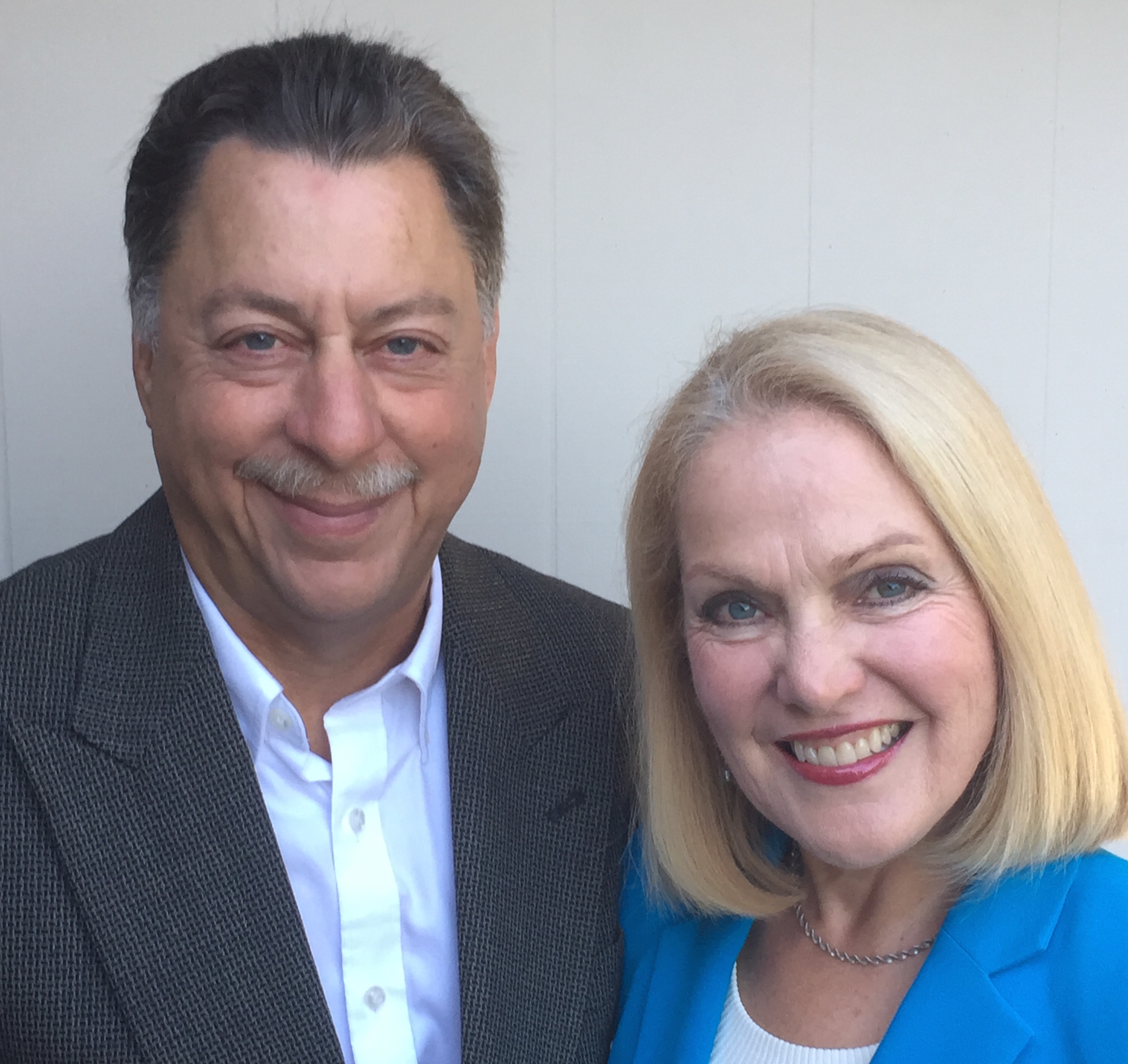
Dr. Mikol Davis and Carolyn Rosenblatt, co-founders of AgingInvestor.com
Carolyn Rosenblatt, RN, Elder Law Attorney offers a wealth of experience with aging to help you create tools so you can skillfully manage your aging clients. You will understand your rights and theirs so you can stay safe and keep them safe too.
Dr. Mikol Davis, Psychologist, Gerontologist offers in depth of knowledge about diminished financial capacity in older adults to help you strategize best practices so you can protect your vulnerable aging clients.
They are the authors of "Succeed With Senior Clients: A Financial Advisors Guide To Best Practice," and "Hidden Truths About Retirement And Long Term Care," available at AgingInvestor.com offers accredited cutting edge on-line continuing education courses for financial professionals wanting to expand their expertise in best practices for their aging clients. To learn more about our courses click HERE
|

Mar 16, 2018 | cost of aging, cost of long term care, financial advisors
With the recent Texas Court of Appeals decision striking down the authority of the DOL to enforce its fiduciary standard, the industry remains enmeshed in its own conflict. Some firms embraced the concept of acting in a client's best interests for retirement accounts. Others fought it tooth and nail. What about your own clients if you are a broker and do not have to follow the DOL rule? Do you think no one is going to question you, your advice, or your commissions and fees?
With the amount of publicity generated in the long fight to get the rule passed in the first place, and the aftermath efforts to have it overturned, the public is more aware than ever of the need for transparency in what you recommend and in what advice you offer. Some clients may trust you and never ask a question about why you suggest a product, but don't count on that being universal. The public's perception of what you do is changing and in a sense, the cat is out of the bag.
In their marketing, firms that embraced the fiduciary standard can brag about it and when you have rejected the premise of prioritizing a client's best interest, you can't brag about it. In fact, prospects may be asking more and more often whether you are a fiduciary. What are you going to tell them?
Here at AgingInvestor.com, we educate advisors of all stripes about managing aging clients, particularly those with diminished capacity. Our associated site, AgingParents.com, is a resource for those with aging loved ones. At AgingParents.com, we advise and counsel families about watching over their aging parents' finances and we strongly encourage them to review what their elders are doing with their money. When they follow our advice, they are going to be looking at what you've done with the elder's portfolio. If you adhere to a fiduciary standard, no problem is likely. If you don't, beware. Your client's heirs are gradually assuming power over their parents' investments as their loved ones age and become less capable of financial decision making. Dementia is a frequent cause of loss of capacity. Often the adult children can take over as successor trustees or agents who are appointed as power of attorney long before the parent passes.
About 70% of women change advisors after the death of their spouses. Their adult kids will be encouraging them to find someone with a fiduciary standard. Perhaps large numbers of adult children will switch advisors before the death of the patriarch, once they scrutinize what choices you have recommended. They may even get a second opinion about your work.
This is merely a caution to any advisor who does not adopt a fiduciary standard, regardless of whether it is mandated legally. The next generation is looking at a parent's portfolio with fresh eyes and you may lose clients because of this. Keep the older clients in your book for life and future generations by staying the course as an advocate and making decisions in their best interest, always.
<a href="https://agingparents.lpages.co/leadbox/14351a433f72a2%3A160053496b46dc/5696133603000320/" target="_blank" style="background: rgb(50, 100, 163); color: rgb(255, 255, 255); text-decoration: none; font-family: Helvetica, Arial, sans-serif; font-weight: bold; font-size: 16px; line-height: 20px; padding: 10px; display: inline-block; max-width: 300px; border-radius: 20px; text-shadow: rgba(0, 0, 0, 0.25) 0px -1px 1px; box-shadow: rgba(255, 255, 255, 0.5) 0px 5px 3px inset, rgba(0, 0, 0, 0.5) 0px 5px 3px;">10 Hidden Truths of Retirement and Long Term Care - Checklist</a><script data-leadbox="14351a433f72a2:160053496b46dc" data-url="https://agingparents.lpages.co/leadbox/14351a433f72a2%3A160053496b46dc/5696133603000320/" data-config="%7B%7D" type="text/javascript" src="https://agingparents.lpages.co/leadbox-1522784019.js"></script>

Feb 2, 2018 | aging, aging investor, declining health, diminished cognition, elder investor, elderly, finances for elders, financial advisors, financial capacity, financial elder abuse, financial judgement, scammers, seniors finances
You may have heard of the fake calls from thieves pretending to be from the IRS. It can be a threatening robocall. Or it can be a male with an aggressive manner telling the recipient of the call that they will be arrested for owing back taxes if they don't pay immediately. These criminals carefully select older people and anyone they consider vulnerable to their fake pressure. Your aging clients could be a target and scammers want to terrify them.
How do they get the names of our aging parents? They buy them. Information is for sale, from lottery entry forms, contests, magazine subscriptions and from hacking whatever can be hacked. Identity information can even be purchased on the black market. "Information brokers" have been around for decades and so have these telephone scams. Supposedly, the entities that sell the names don't care what the buyer does with them. There are likely millions of names and telephone numbers available to the scammers, given the nationwide nature of their ripoff efforts. Apparently, names and numbers are very easy for them to get.
Here's how it works: The caller catches the unsuspecting older person off guard. The call is official sounding: "This is Officer James with the Internal Revenue Service and I am calling about an urgent matter! Do not hang up!" Sometimes they are even able to secure a fake caller ID that says "IRS" or looks like a legitimate government entity to those with caller ID. There were also reported cases when they used the name and email address of a CFPB employee.
They then tell the stunned elder that they or their spouse has an overdue debt to the IRS and if it is not paid immediately they will be arrested. Of course, they want the elder to use a wire transfer or a prepaid debit card so the thief can't be traced. The frightened person will hurriedly comply and realize only later that it was a scam. In the moment of reacting to the threat, they are not thinking clearly. They are moved by fear--just what the thief was hoping for.
No matter how many public service announcements are sent out, and no matter how many Federal Trade Commission, AARP or National Center on Elder Abuse warnings are posted, the scam is still working. We at AgingParents.com think the best way to keep our aging loved ones financially safer is to personally warn them yourself about these scams. They will probably listen to family more readily than they would seek information from the internet or official sources trying to spread the word. Of course, the IRS will never, under any circumstances call someone and demand payment of a debt. Their official communications about taxes are by snail mail.
If these evil scammers were not successful, they would stop doing this. But sadly, it works and they are relentless. My neighbors, many elders, have reported that they have gotten these calls this week. Beware. Please take the time to alert your loved ones to this problem. And don't think your mentally alert aging loved one is too smart to fall for this. No one is immune from being shocked and intimidated by a sudden call. It can happen to anyone.
We at AgingInvestor.com think the best way to keep your older clients financially safer is to personally warn them yourself about these scams. They will probably listen to family more readily than they would seek information from the internet or official sources trying to spread the word. Of course, the IRS would never, under any circumstances call someone and demand payment of a debt. Their official communications about taxes are by snail mail and that is not likely to change anytime soon.
If these evil scammers were not successful, they would stop doing this. But sadly, it works and they are relentless. My own neighbors, many elders, have reported that they have gotten these calls this week. Beware. Please take the time to alert your clients to this problem. And don't think your ever so sharp client is too smart to fall for this. No one is immune from being shocked and intimidated by a sudden call. It can happen to anyone.
If you want to send a friendly letter to your clients about this scam and don't have time to put it together, we make it easy for you. Just go to this link and download a free pre-made letter to send out.
 Revise it with your name or firm name and you'll look good by showing that you do care about their financial safety. You'll never regret doing your part to thwart thieves and prevent financial elder abuse.
|
|
Dr. Mikol Davis and Carolyn Rosenblatt, co-founders of AgingInvestor.com
Carolyn Rosenblatt, RN, Elder Law Attorney offers a wealth of experience with aging to help you create tools so you can skillfully manage your aging clients. You will understand your rights and theirs so you can stay safe and keep them safe too.
Dr. Mikol Davis, Psychologist, Gerontologist offers in depth of knowledge about diminished financial capacity in older adults to help you strategize best practices so you can protect your vulnerable aging clients.
They are the authors of "Succeed With Senior Clients: A Financial Advisors Guide To Best Practice," and "Hidden Truths About Retirement And Long Term Care," available at AgingInvestor.com offers accredited cutting edge on-line continuing education courses for financial professionals wanting to expand their expertise in best practices for their aging clients. To learn more about our courses click HERE
|

Nov 9, 2017 | aging investor
If you see how firms market themselves these days, you often see them pitching how much they care about their clients, and how much client relationships matter to them. Really? How about your senior clients? And how do you demonstrate that you care about them, now that they're retired and drawing out money, not contributing earnings?
Our aging population is growing and you are more likely than ever to see aging clients in your book of business. One way to differentiate yourself from those firms around you is to focus specifically on the senior market. When seniors can depend on you through the journey of aging, you will likely have loyalty for life from them.
But what does that mean, being able to depend on you? Of course, you are going to do what every financial professional is supposed to do and competently manage their portfolios. That alone does not set you apart. What will make you a standout is to focus on the unique needs seniors have and help your clients prepare for and handle them over time? That strategy is innovative because few firms have policies in place to guide, reassure and protect their oldest clients.
Longevity is on your side in going after this marketing opportunity. People are living longer than ever and the needs of our aging population are proliferating. If you want to be there to capture those older clients and do right by them, you have to get yourself ready. And you need a strategy.
Learning the ropes about the most likely things seniors need does not have to be difficult. We make it easy for you here at AgingInvestor.com with a plethora of resources to beef up your skills so you can best serve aging clients with confidence. You'll find books written just for financial professionals, online courses, videos and articles going into every aspect you are likely to encounter.
Your main tactic is to have enhanced knowledge about senior-specific needs and know how to implement that knowledge. They'll love you for it! Our society so often dismisses seniors and discriminates against them. Aging people can so readily feel marginalized. Wouldn't it be great to be welcoming and understanding of what they are going through as age takes its toll on them. They feel vulnerable in many ways and you can be a hero.
How to start
For anyone focusing on a new direction or wanting to acquire new expertise, you start by diving into some reading or online coursework. An hour at a time would do it. You take in information that expands your awareness of what seniors need, what problems they are most likely to have and what you and their families need to do about them. Here at AgingInvestor.com, where we combine nursing, legal and psychological expertise on aging, we suggest six one-hour courses and two books to make you extra knowledgeable. If you've done that, you will already be a standout.
What's next
After that, you create a clear senior-specific written policy in your firm or office. That policy articulates the ways in which you are proactive and prepared to calmly address things like diminished capacity, dementia, physical impairment, and preventing financial abuse. The bedrock of any senior policy is a legally sufficient document that gives you permission to contact third parties (one of which is not a family member) in the event that your client suffers cognitive decline and can't make decisions any longer. It can be done. (Learn more here).
Any savvy financial professional who wants to expand your practice to include an intentional focus on aging clients needs preparation. With it, you are sure to have a unique opportunity to serve an underserved market. Unlike many of your colleagues, you will know just what to do and you will attract many grateful clients.
With 73 million Baby Boomers, there is no doubt that they are going to need expert help from those financial professionals who do more than just manage the money.
|
|
Dr. Mikol Davis and Carolyn Rosenblatt, co-founders of AgingInvestor.com
Carolyn Rosenblatt, RN, Elder Law Attorney offers a wealth of experience with aging to help you create tools so you can skillfully manage your aging clients. You will understand your rights and theirs so you can stay safe and keep them safe too.
Dr. Mikol Davis, Psychologist, Gerontologist offers in depth of knowledge about diminished financial capacity in older adults to help you strategize best practices so you can protect your vulnerable aging clients.
They are the authors of "Succeed With Senior Clients: A Financial Advisors Guide To Best Practice," and "Hidden Truths About Retirement And Long Term Care," available at AgingInvestor.com offers accredited cutting edge on-line continuing education courses for financial professionals wanting to expand their expertise in best practices for their aging clients. To learn more about our courses click HERE
|