

The Hole in The Senior Safe Act: Why Briefly Holding Transactions Is Not Enough To Stop Abuse

The Hole in The Senior Safe Act: Why Briefly Holding Transactions Is Not Enough To Stop Abuse

 The Senior Safe Act allows you to hold transactions when you suspect financial abuse of a client. The Act is designed, at least in theory, to allow time for the trusted contacts you have on file to take appropriate action. Many of those victimized by predators or manipulated by unscrupulous family have dementia and have lost their judgment about what makes sense financially. The Act urges you to get trusted contacts and provides that you are not breaking privacy rules to contact them in the reasonable belief that your client is being financially abused. The length of time you can hold a requested transaction can be as long as a month. This is where the Senior Safe Act has missed the mark.

 Let’s look at the reality of impaired elders who are in charge of their wealth on the family trust. The trust is in order, and if the elder recognizes that he or she is experiencing decline in mental ability, that trustee may choose to resign. Simple. But that is not what happens in too many cases. For many persons who have cognitive decline and dementia, the elder does not recognize that he is impaired at all. “I feel fine!” he tells his worried family. When asked to resign as trustee, having total control over (theoretically) millions of dollars in a trust, the elder flatly and stubbornly refuses. Meanwhile, financial abuse by predatory people can continue unabated.

 When an older person experiences cognitive decline, it typically has a very slow onset. Short-term memory loss does not raise enough red flags for those closest to the elder to take any action. “She’s just getting old” they say dismissively. But memory loss is often the first and earliest warning sign of Alzheimer’s disease, the most common form of dementia. The odds of having Alzheimer’s disease by age 85 are at least one in three.  Think about your own older clients. Some live well beyond age 85. The risk of dementia rises with age. Short-term memory loss interfering with daily life is not a normal part of aging.  Financial abuse and cognitive impairment often go together.

 When financial abuse reaches a visible level, the advisor may do what the law allows and call the trusted contact person, usually an adult child.  The advisor hopes that the call will somehow trigger something and the abuse will be stopped. But here is a reality check: The family can’t accomplish anything needed in two weeks or even a month if you hold transactions then. Here is a real case example of just such a situation, showing how long it really did take.

 In our work with a family at AgingParents.com we saw rampant financial abuse of an elder by a family member. The elder had dementia but had not been formally diagnosed by his doctor. Over 70% of his income was going to the predator. He was asked to resign as trustee by his two adult children, who were reasonably worried that he was going to give away all his cash and further encumber his home. The dad, whom we’ll call Gene, had been developing dementia for at least two years. He felt obligated to the predator and was totally powerless in resisting her demands for money. He just kept writing checks, draining his own resources. It was clearly a case of financial manipulation.

 We were involved in working to persuade Gene to allow what his family trust provided: to have his daughter, Jennie, become the successor trustee.  He agreed, then reneged. He accepted the logic and then refused to accept it. The kids had no choice but to use the law to take over control. Their father was too stubborn to resign as trustee when asked, even with the entire family presenting a united front, asking and respectfully begging.

 The trust, like many such documents provided that Gene could be removed as trustee by his appointed successor, his daughter, after two physicians had declared him to be incapacitated for handling his own finances. A court decision was not required. However, getting him to two doctors willing to assess him and put their observations in writing was a challenge that took months to accomplish. The total time spent getting the change of trustees accomplished according to the terms of Gene’s trust was eight months.

 His children were the trusted contacts in the advisor’s file. They knew about the abuse and were in agreement with the advisor that Gene had to stop being the trustee. The adult children had to hire consultants (AgingParents.com), have meetings, hire an attorney, and try various methods to get the job done.  Their time energy and thousands of dollars were expended to prevent an even worse outcome, which was being left to support their aging father if he were to totally deplete his own funds.

The takeaways:

  1. Though well intended, we do not expect that the Senior Safe Act will do much to stop financial abuse because of the short time allowed for a financial professional to hold transactions. In Gene’s case, the predator would have been happy to wait a mere two weeks or a month before resuming the financial manipulation of Gene.
  2. Know that any older impaired client may not understand that he or she is cognitively impaired and will ignore pleas to resign as trustee with total control over any family trust.
  3. If you see that an older client is showing signs of cognitive decline, do not wait until it gets worse. Reach out at the time of your first suspicions of trouble.  The family or other trusted persons may well have a better opportunity to persuade an elder to transfer power over finances to the appointed successor before complete loss of capacity. Expect this to take time.

In the case described above as a result of ongoing financial abuse, nearly all of Gene’s cash was depleted during the eight months of effort on the part of his adult children to have him removed.  The advisor did the right thing but too much of Gene’s cash was depleted in the period when the abuser could keep manipulating him for those months of effort by family to have him removed as trustee.

By Carolyn L. Rosenblatt, RN, Elder law attorney, AgingInvestor.com 

If you are seeing abuse and feel lost about how to stop it, contact us at AgingInvestor.com for a confidential consultation with our nurse-lawyer, geriatric psychologist team so you can do everything possible to protect your vulnerable client.


The Truth About Getting A Trusted Contact Person for Your Clients

The Truth About Getting A Trusted Contact Person for Your Clients

It seems that regulators are fond of creating new mandates for you without telling you how to implement them and what risks might be involved. The new FINRA rule that says you must "try" to get a trusted contact person (TCP) for new clients is illustrative.

First of all there is no firm requirement that you actually get a TCP for anyone. All you have to do is make an attempt. If the client says "no", you're out of luck in trying to solve any problem that may exist without anyone to call in the event of an issue you see. Such issues might include someone ripping off your client or your client really losing his marbles. The intent of the rule was good. The idea was to increase protections for vulnerable elders. It's just that the way clients act and the issues you are sure to see with one TCP have been ignored in regulators' creation of this mandate.

Research has given us important information about protecting elders from financial abuse. We know that family members are the most frequent abusers of elders. Guess who most elders would think of as a TCP? The family member, of course. The idea of a single TCP is flawed from the outset. If the idea is to keep your client financially safer, you don't want to be limited to the potential abuser as the TCP. That defeats the purpose.

Here at AgingInvestor.com we are on a mission to keep elders safer. We make every effort to fill in the blank places your regulators leave when they come up with a mandate like getting a TCP for your clients. Here are our recommendations on this subject and why we say what we say about TCPs.

First, we believe every advisor should not only "try" to get a TCP for every client--we think you should insist on it as a matter of your intelligent, proactive senior office policy. Every client, new and existing should be approached with a courteous, respectful explanation and request to name a TCP you can contact in case of need. You let clients know that you have a policy to protect them from potential predators who are out there trolling for your clients, particularly the seniors. You could write this explanation and request up and send it around or bring it up at every portfolio review.

Next, we recommend that you get not just one TCP for every client, but three. The reason for this is that since family members are often the abusers of vulnerable people, you need someone else to call if "sonny boy" is ripping off dad's account and dad is too impaired to realize it. "Sonny boy" just might be the one TCP his dad, your client named and you would then be stuck with no way to protect your client in that situation.  Someone outside the family would be ideal. This could be the estate attorney, a competent friend, or a clergy person your client trusts. Any of them would need to be able to intervene when learning of suspected financial abuse of your client. A third TCP could be another family member your client also sees as trustworthy.  With information going from the advisor to three people at once, the risk of abuse is lessened and the chances of effective action in the event of abuse are increased.

Finally, we recommend that you consider all the risks involved in a decision to reach out to the TCP when you see red flags of diminished capacity in your client, or when you see warning signs of financial abuse of your client.  You do need a written internal office policy that directs you as to the observations, documentation and steps to take when an issue comes to your attention. Legally, you are probably on firm ground, carrying out the intent of the FINRA regulation. However, you don't want to set your client up for harm.

For instance, if the client is in the middle of a contentious divorce and the ex- spouse is the TCP, do you want to release information about your client's finances that could harm your client in the divorce proceeding? Give yourself time to discuss the options with other, knowledgeable people in your office, or group. The value of having a proactive office policy for aging clients in this situation is that you have others to ask and weigh in with their points of view.

If you are not sure about the red flags of diminished capacity and what you should look for, get your free downloadable checklist here. Likewise if you are not clear about classic warning signs of financial abuse get your free checklist for those here too.

Need help with that smart, proactive senior office policy? Ask for a consultation at AgingInvestor.com and get the guidance you need from our nurse-lawyer, geriatric psychologist team


Carolyn Rosenblatt, RN, Elder law attorney, AgingInvestor.com

<p><code> </code></p><div class="signature"><table style="border: 2px solid #999; border-style: solid; background-color: #f5fff5;"><tbody><tr><td style="width: 110px; vertical-align: text-top; align-content: center;"><div style="border: 1px solid #eee;"><img class="alignleft" src="http://www.aginginvestor.com/wp-content/uploads/2015/04/DavisRosenblattPublicityPhoto.jpg" alt="" width="123" height="116"></div></td><td><h4>Dr. Mikol Davis and Carolyn Rosenblatt, co-founders of AgingInvestor.com</h4><p>Carolyn Rosenblatt, RN, Elder Law Attorney offers a wealth of experience with aging to help you create tools so you can skillfully manage your aging clients. You will understand your rights and theirs so you can stay safe and keep them safe too.</p><p>Dr. Mikol Davis, Psychologist, Gerontologist offers depth of knowledge about diminished financial capacity in older adults to help you strategize best practices so you can protect your vulnerable aging clients.</p><p><a href="http://www.aginginvestor.com" target="_blank" rel="noopener">AgingInvestors.com</a> offers accredited cutting edge on-line continuing education courses for financial professionals wanting to expand their expertise in best practices for their aging clients. To learn more about our courses click <a href="https://agingparents.leadpages.co/ceu-choices/" target="_blank" rel="noopener">HERE</a></p></td></tr></tbody></table></div>

Advisors: Warn Your Older Clients About This Vicious IRS Telephone Scam

Advisors: Warn Your Older Clients About This Vicious IRS Telephone Scam

You may have heard of the fake calls from thieves pretending to be from the IRS. It can be a threatening robocall. Or it can be a male with an aggressive manner telling the recipient of the call that they will be arrested for owing back taxes if they don't pay immediately. These criminals carefully select older people and anyone they consider vulnerable to their fake pressure. Your aging clients could be a target and scammers want to terrify them.

How do they get the names of our aging parents? They buy them. Information is for sale, from lottery entry forms, contests, magazine subscriptions and from hacking whatever can be hacked. Identity information can even be purchased on the black market. "Information brokers" have been around for decades and so have these telephone scams. Supposedly, the entities that sell the names don't care what the buyer does with them. There are likely millions of names and telephone numbers available to the scammers, given the nationwide nature of their ripoff efforts. Apparently, names and numbers are very easy for them to get.

Here's how it works: The caller catches the unsuspecting older person off guard. The call is official sounding: "This is Officer James with the Internal Revenue Service and I am calling about an urgent matter! Do not hang up!" Sometimes they are even able to secure a fake caller ID that says "IRS" or looks like a legitimate government entity to those with caller ID. There were also reported cases when they used the name and email address of a CFPB employee.

They then tell the stunned elder that they or their spouse has an overdue debt to the IRS and if it is not paid immediately they will be arrested. Of course, they want the elder to use a wire transfer or a prepaid debit card so the thief can't be traced. The frightened person will hurriedly comply and realize only later that it was a scam. In the moment of reacting to the threat, they are not thinking clearly. They are moved by fear--just what the thief was hoping for.

No matter how many public service announcements are sent out, and no matter how many Federal Trade Commission, AARP or National Center on Elder Abuse warnings are posted, the scam is still working. We at AgingParents.com think the best way to keep our aging loved ones financially safer is to personally warn them yourself about these scams. They will probably listen to family more readily than they would seek information from the internet or official sources trying to spread the word. Of course, the IRS will never, under any circumstances call someone and demand payment of a debt. Their official communications about taxes are by snail mail.

If these evil scammers were not successful, they would stop doing this. But sadly, it works and they are relentless. My neighbors, many elders, have reported that they have gotten these calls this week. Beware. Please take the time to alert your loved ones to this problem. And don't think your mentally alert aging loved one is too smart to fall for this. No one is immune from being shocked and intimidated by a sudden call. It can happen to anyone.

We at AgingInvestor.com think the best way to keep your older clients financially safer is to personally warn them yourself about these scams. They will probably listen to family more readily than they would seek information from the internet or official sources trying to spread the word. Of course, the IRS would never, under any circumstances call someone and demand payment of a debt. Their official communications about taxes are by snail mail and that is not likely to change anytime soon.

If these evil scammers were not successful, they would stop doing this. But sadly, it works and they are relentless. My own neighbors, many elders, have reported that they have gotten these calls this week. Beware. Please take the time to alert your clients to this problem. And don't think your ever so sharp client is too smart to fall for this. No one is immune from being shocked and intimidated by a sudden call. It can happen to anyone.

If you want to send a friendly letter to your clients about this scam and don't have time to put it together, we make it easy for you. Just go to this link and download a free pre-made letter to send out.

Revise it with your name or firm name and you'll look good by showing that you do care about their financial safety. You'll never regret doing your part to thwart thieves and prevent financial elder abuse.
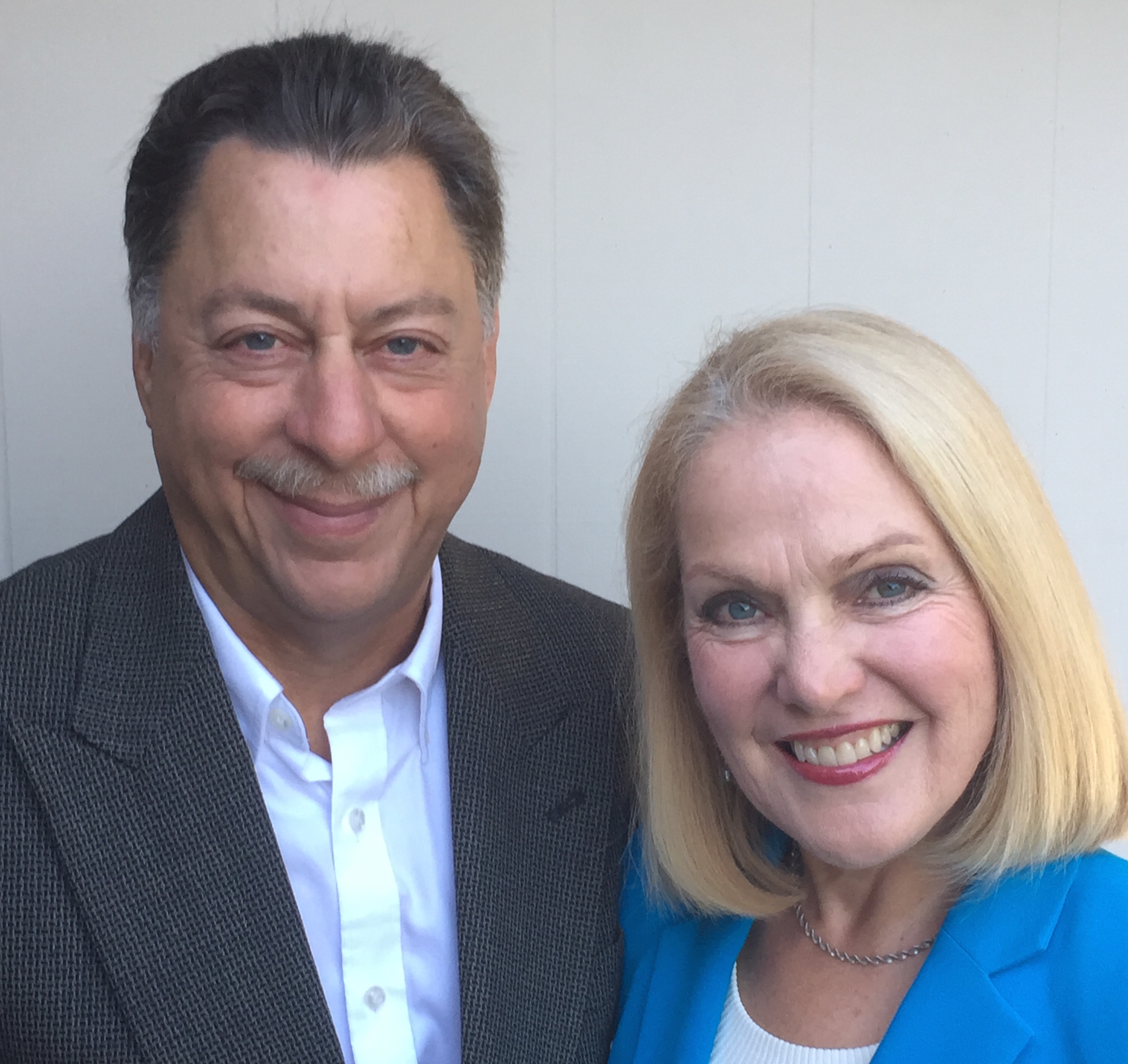


 

Dr. Mikol Davis and Carolyn Rosenblatt, co-founders of AgingInvestor.com

Carolyn Rosenblatt, RN, Elder Law Attorney offers a wealth of experience with aging to help you create tools so you can skillfully manage your aging clients. You will understand your rights and theirs so you can stay safe and keep them safe too.

Dr. Mikol Davis, Psychologist, Gerontologist offers in depth of knowledge about diminished financial capacity in older adults to help you strategize best practices so you can protect your vulnerable aging clients.

They are the authors of "Succeed With Senior Clients: A Financial Advisors Guide To Best Practice," and "Hidden Truths About Retirement And Long Term Care," available at AgingInvestor.com offers accredited cutting edge on-line continuing education courses for financial professionals wanting to expand their expertise in best practices for their aging clients. To learn more about our courses click HERE

Nipping A Predator In The Bud: How Fast Action Saved A Client From Abuse

Nipping A Predator In The Bud: How Fast Action Saved A Client From Abuse

Consider what you would do in this true case study. The advisor did not step up. Would you? Rhonda is 91 and lives independently. She has a few million in invested assets managed by her longtime advisor. Apparently, he forgot the requirement to "know your client". Rhonda started playing the sweepstakes a year before things came to a crisis point. She got really excited about the prospect of winning. A scammer, who probably purchased her name from the sweepstakes companies, got in touch with her by phone. "You've won!" he exclaimed excitedly. He then went on to use a classic scammer's trick. He told her she could get her million-dollar check if she would just pay the "fee" for transferring the funds. Sometimes the trick is paying the "taxes" or the "insurance fee". It's all the same. The scammer claims that they will deliver the check in person in exchange for the cash from the mark, often an elderly person. Luckily, Rhonda's son found out and he and his brother tried hard to talk their mother out of this. She insisted that they didn't understand and that "Mr. Banks" (don't you love the name?) was a good person and he was going to deliver her winnings to her for real. No amount of reasoning could persuade her she was about to be victimized. Her son, Jamie called us at AgingParents.com. "What can I do?" he asked.

We had to act fast as "Mr. Banks" was coming the following week in person. Rhonda was still the trustee over her multi-millions despite the fact that she had been showing clear signs of cognitive impairment for over two years. No one had taken any steps to keep her safe until this crisis. We asked Jamie to get her trust and any estate planning documents ASAP. He did so. In reviewing them, I saw that he was a co-trustee on the trust. It also revealed that Jamie was the "attorney in fact" on mom's Durable Power of Attorney and that he could act immediately. He got careful step-by-step instruction as to how to stop transactions on her accounts, and how to confront the nefarious "Mr. Banks" when he called to set up a time to meet with Rhonda. He also got advice about how to either get Rhonda to resign as trustee or to have her removed if she resisted. I personally called Rhonda's financial advisor to let him know about the imminent abuse, that transactions should be held until either Rhonda resigned as trustee or until Jamie could put a stop to Rhonda's attempts to get thousands of dollars for the predator. The options to stop his client would take a few days at least.

The advisor gave me a helpless-sounding response: "I don't know of anything I can do". Really? In the face of regulators insisting that you keep aging clients safer, that you address elder financial abuse and that next year you will be required to report abuse? Really? In the face of an upcoming regulation from FINRA that you can, in fact, hold transactions for two weeks in just this kind of situation? I was shocked at the lack of attention he paid to his own client's risks. The outcome on this matter was successful. Jamie used the power of attorney to stop any transfers out of Rhonda's account. She was too confused to argue with that action. When "Mr. Banks" called, Jamie was present and asked him "Who are you anyway?" Banks claimed he was a long lost relative and when Jamie told him to get lost, he actually did. Rhonda did not hear from him again. Whew, close call! The takeaways for advisors from this true case are these:

  1. Know your client. Diminished capacity leaves a trail. Stay in communication with your aging client's family members, particularly those who are on their estate planning documents appointed to take over in the event of incapacity. Know them too.
  2. When you are informed of any clear case of imminent abuse, hold transactions. It's that simple. Stop predators. Don't play helpless. You do know what to do. See the compliance department of your organization if you are unsure about this. It should be clear – do what is necessary to keep your client safe!
  3. Recognize that your oldest clients, age 85 and up are at very high risk for dementia or diminished capacity. The risk is at least one in three. Some experts put it at 50%. Therefore, you need to be on the lookout for signs of diminished capacity and to have a plan in place to address it with those who are in the position to take other protective action. In the earliest stages of dementia, a person loses financial judgment and is a prime target for scammers of all kinds.                                                                                                                                                       Learn more about what you can do to stop financial abuse at AgingInvestor.com.


Dr. Mikol Davis and Carolyn Rosenblatt, co-founders of AgingInvestor.com

Carolyn Rosenblatt, RN, Elder Law Attorney offers a wealth of experience with aging to help you create tools so you can skillfully manage your aging clients. You will understand your rights and theirs so you can stay safe and keep them safe too.

Dr. Mikol Davis, Psychologist, Gerontologist offers in depth of knowledge about diminished financial capacity in older adults to help you strategize best practices so you can protect your vulnerable aging clients.

They are the authors of "Succeed With Senior Clients: A Financial Advisors Guide To Best Practice," and "Hidden Truths About Retirement And Long Term Care," available at AgingInvestor.com offers accredited cutting edge on-line continuing education courses for financial professionals wanting to expand their expertise in best practices for their aging clients. To learn more about our courses click HERE

If You Wanted To Report Financial Abuse, Would You Know How?

If You Wanted To Report Financial Abuse, Would You Know How?

In a recent issue of Investment News, a study of financial advisors looked at this question. 591 advisors were asked about their experiences with elder financial abuse. One of the surprising findings focused on those advisors who knew or suspected abuse but did not report it.

A significant percentage of those who did not report abuse gave as a reason that they did not know who to contact. What is most troubling about this finding is that not knowing who to contact is such a simple problem to solve. Historically your regulators have never required that you have the name of a trusted contact for your client in order to open a file for that person. Here at AgingInvestor.com and AgingParents.com, where elder financial abuse comes up often, we think it is extremely short-sighted to be without a trusted contact or two in every client's file. Isn't it obvious that you need someone to call if a client gets into danger, whether it's elder abuse or not? No one gets out of here alive and a client can live for quite a long time, developing cognitive impairment along the way. That puts a person at much higher risk for financial abuse.

New FINRA rules will require that you make "reasonable efforts" to get a trusted contact from your clients. We assure you, reasonable efforts are a lot easier to make when your client is signing up than they are when your client is 92 and forgetful or suspicious of everyone's motives.

From us, two professionals who have worked with countless elders and their families over the last 10 years, we have three tips for every financial professional handling a client's finances:

  1. You can't ensure that your client will be competent for financial decisions forever. Be realistic! People are living longer and they may develop dementia or other cognitive impairment. Get at least two trusted contacts in every file for every client age 65 or older. Why two or more? One trusted contact might end up being the very person who is abusing your client--a family member.
  1. Get smart about the basics of recognizing red flags of diminished capacity. We offer a simple free checklist to help you. Click on the green button here to get yours now. These signs are warnings that your client is more vulnerable to manipulation by others.
  1. Know how to report financial elder abuse. You don't have to be certain that abuse has occurred. You do need to know who may be doing it, when and how, in general (e.g., pushing your client into large, unexplained withdrawals). A reasonable suspicion is enough. It's ok if you're wrong. And you can do it anonymously. Call Adult Protective Services in the county where your client lives if you think someone is ripping off your vulnerable client.

Some advisors are worried that they'll get sued for reporting suspected financial abuse. This is incorrect. Your regulators want you to report it. If you do what is reasonable, you are not a target. However, if you know that your impaired client is being financially abused and you do absolutely nothing, liability for failure to act is certainly possible.

by Carolyn Rosenblatt, RN, Elder Law Attorney, & Dr. Mikol Davis, Gerontologist, co-founders of AgingInvestor.com


Dr. Mikol Davis and Carolyn Rosenblatt, co-founders of AgingInvestor.com

Carolyn Rosenblatt, RN, Elder Law Attorney offers a wealth of experience with aging to help you create tools so you can skillfully manage your aging clients. You will understand your rights and theirs so you can stay safe and keep them safe too.

Dr. Mikol Davis, Psychologist, Gerontologist offers in depth of knowledge about diminished financial capacity in older adults to help you strategize best practices so you can protect your vulnerable aging clients.

They are the authors of "Succeed With Senior Clients: A Financial Advisors Guide To Best Practice," and "Hidden Truths About Retirement And Long Term Care," available at AgingInvestor.com offers accredited cutting edge on-line continuing education courses for financial professionals wanting to expand their expertise in best practices for their aging clients. To learn more about our courses click HERE