


Change Is Long Overdue For The Way You Manage Aging Clients

Change Is Long Overdue For The Way You Manage Aging Clients

Recently, we were invited to speak at the Buckingham Alliance annual conference where we gave the keynote address on the issues of managing aging clients. The average advisor has at least 7 clients right now with some form of cognitive impairment. Because of this, older clients often lack the ability to make safe financial decisions. This is why a change in the way advisors manage these clients must start now. We found that many conference attendees told us they were reluctant about bringing up the subject of their client's getting older and specifically when they had concerns about changes in their financial decision-making abilities. Most of us are conflict-averse when it comes to bringing up something like this that can be controversial.

With increasing longevity and its attendant risks, particularly of cognitive decline, it is imperative that advisors change the way business is done with the older client. Change isn’t easy for anyone. When advisors get used to doing things the way they've always done them, a shift can feel overwhelming. Most of us prefer to stick with what we know. If business is good, and no disasters have happened with the older folks in your book yet, you may think it’s ok just wait until "something happens" and then figure out what to do then.

Spoiler alert! "Something" is already happening! As people live longer and longer, we see more and more age-related brain changes, such as Alzheimer's disease or other forms of dementia. These changes in cognitive ability sneak up on you. The onset of dementia takes years in most cases. You might not even know what to look for. Don’t make the mistake of waiting until disaster strikes. Shouldn’t planning for the unexpected in all cases be a part of your job?

Here's the nitty-gritty: your clients are getting older and some of them, no matter how smart or accomplished, are going to be unable to make financial decisions. When they show signs of impairment, ignoring them and carrying on as if everything is fine is a dangerous risk. Here are some things that can happen if you don't take action.

You can get fired. If a family member of your clients tells you that the patriarch is making terrible decisions with money and money is being spent at a ridiculous rate, they may ask for your help. If you say, "I just manage the money" you will not look good. Adult children with the patriarch's power of attorney can and will get rid of you. This has really happened and with a HNW client's portfolio to boot.

You can be exposed to liability. You are supposed to know your client. That means you must be aware of things not being right with his decision-making. If you do nothing, thinking it's not your problem, an heir of that client could come after you because you failed to take any steps to keep your client financially safe. If the assets get drained, relatives will get angry. You must act reasonably. Doing nothing is unreasonable when you strongly suspect or know that a client is cognitively impaired.

Making basic changes in how you plan ahead for aging clients does not have to be extremely complicated. It does require that you identify all the clients over age 65, for example, and that you monitor them and their portfolios more often than you would younger clients. It requires that you learn what to look for when you think the older client is slipping. And it requires that you and your organization develop a clear path for escalation of a problem before financial abuse or other negative consequence happens.

If those in attendance at the conference went back to their offices and did just a few things differently than before, that is change. We hope raising the issues about older clients isn't just a conversation. More than thinking and talking is needed. We want you to ask yourself, "am I willing to change?" If you are and you need a start, use the free, downloadable checklist, The Ten Red Flags of Diminished Capacity so you can spot the warning signs. Those signs can be telling you, no more business as usual with this clients.


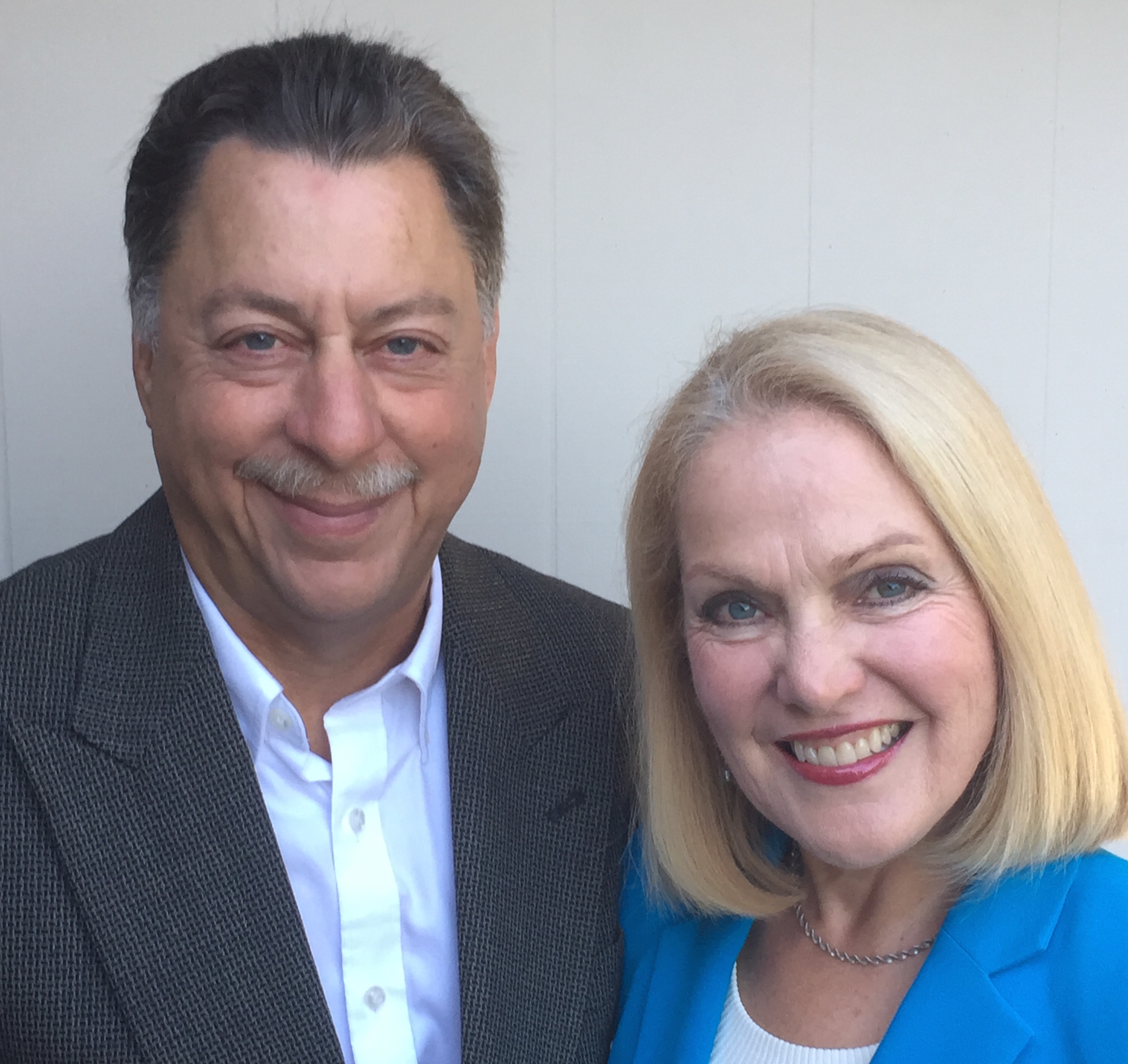
Dr. Mikol Davis and Carolyn Rosenblatt, co-founders of AgingInvestor.com

Carolyn Rosenblatt, RN, Elder Law Attorney offers a wealth of experience with aging to help you create tools so you can skillfully manage your aging clients. You will understand your rights and theirs so you can stay safe and keep them safe too.

Dr. Mikol Davis, Psychologist, Gerontologist offers in depth of knowledge about diminished financial capacity in older adults to help you strategize best practices so you can protect your vulnerable aging clients.

They are the authors of "Succeed With Senior Clients: A Financial Advisors Guide To Best Practice," and "Hidden Truths About Retirement And Long Term Care," available at AgingInvestor.com offers accredited cutting edge on-line continuing education courses for financial professionals wanting to expand their expertise in best practices for their aging clients. To learn more about our courses click HERE

Should You Encourage Your Client To Use A Professional Fiduciary?

Should You Encourage Your Client To Use A Professional Fiduciary?

Some of your older clients do not have family or they have no family they trust. Some know that their adult kids don't get along and if both are on the estate documents, fights will be inevitable. You worry that as they age, some clients are going to need help with finances and their trust management and they shouldn't count on family. When a client names one's best friend to serve in the role of successor trustee may sound fine when they're 50 years old but it's not so fine when they're 90.

The successor trustee of your client's estate can do a lot of good or harm when he or she takes on that role. The person appointed to be the agent of a durable power of attorney is also in a position of tremendous power. Who should serve in that capacity? Should it be family or a professional outside the family?

Most often, your client appoints adult children or trusted people in their lives for this job. The danger arises when the adult child appears to be motivated to steal money or manipulate the elder into giving or loaning it to him. If it is a best friend, and both are aging, there is no assurance that the friend will survive long enough to help when needed or be competent to do so.

I once had a widowed client, living alone, no family in the U.S. who had appointed her best friend to be her successor trustee. I asked my 89-year-old client about the friend. "She lives right down the street", my client told me. When I asked how old the friend was, she told me "88. She's really sharp though, even though her vision is going". I suggested she find a licensed fiduciary to take her friend's place.

This could be your client. Time to step in and get the client to change that original, now unrealistic plan.

When you, the financial advisor see situations with clients in your book who are aging, and you know they will need someone trustworthy to help them with managing their estate and finances, you need to act. Here are some basics every advisor should know and do.

1. Get to know your client's estate planning attorney, with written permission to communicate with her from your client. That is simple. Ask whether the estate plan is updated. Find out if the successor trustee is reliable, or in financial difficulty with potential motivation to steal. Team up and work together. If there is no estate planning attorney, give your clients some names of reliable lawyers you know and encourage making an appointment right away.

2. Ask your client about their appointed agents on both the family trust and any power of attorney document. Invite them to a meeting. Discuss the future for your client with the agent(s), particularly long-term care issues, budget and resources the successor might have to manage over your client's lifespan.

3. Know reputable professional fiduciaries in your area and keep their contact information handy so you can refer your client to a list of them. Fiduciaries are not all created equal. Some are very helpful and can protect a vulnerable client from financial harm. Others are just not competent to do the job and shouldn't be in it. Choose and vet your list carefully.

To understand more about best ways to manage aging clients and keep them financially safer, check out our book, Succeed With Senior Clients: A Financial Advisor's Guide to Best Practices.  It's a great start. And you can get up to 10 hours of CE credit for reading it! Get yours here.

 

Dr. Mikol Davis and Carolyn Rosenblatt, co-founders of AgingInvestor.com

Carolyn Rosenblatt, RN, Elder Law Attorney offers a wealth of experience with aging to help you create tools so you can skillfully manage your aging clients. You will understand your rights and theirs so you can stay safe and keep them safe too.

Dr. Mikol Davis, Psychologist, Gerontologist offers in depth of knowledge about diminished financial capacity in older adults to help you strategize best practices so you can protect your vulnerable aging clients.

They are the authors of "Succeed With Senior Clients: A Financial Advisors Guide To Best Practice," and "Hidden Truths About Retirement And Long Term Care," available at AgingInvestor.com offers accredited cutting edge on-line continuing education courses for financial professionals wanting to expand their expertise in best practices for their aging clients. To learn more about our courses click HERE

The Way To Prevent Panic When Your Client Is Cognitively Impaired: Senior-Specific Policies

The Way To Prevent Panic When Your Client Is Cognitively Impaired: Senior-Specific Policies

You've probably had an aging client or a few of them who had you worried. They are increasingly forgetful. Maybe they called you multiple times a day and didn't remember that you had already answered their question. Perhaps they are not following anything in the conversations you have with them. After the fact, you are scratching your head, trying to figure out what to do with that client.

Regulators have not mandated that firms and individual advisors have policies that specifically address age-related issues with their clients, but they strongly urge it. One of the first things they want you to do is to have several trusted third party contacts in every client's file so you can contact someone in the event that your client becomes impaired.

Regulators want you to recognize the warning signs of financial abuse. They want you to keep your clients financially safer, mainly because they are more vulnerable than your younger clients. They want you to deal with privacy concerns but offer little guidance except for when you see abuse. What to do about financial abuse is not yet a regulation, though it will be.

How many firms have taken even these basic proactive policy steps to keep aging clients safer? From what we read and observe, not many. It takes time. You won't be directly paid for doing it. Maybe you think you can just wait until "something happens" before you do anything to change the status quo. That is a bigger risk than you want to take.

An aging client can fall into cognitive impairment without you noticing. They can be in a dire situation before you have had a chance to think about what to do proactively. Waiting for a crisis is not the style of a competent financial advisor nor any manager. What should you do?

First, you need to do as the regulators recommend: start putting together a plan for those clients who may become impaired for financial decisions. And plan for what to do when you see financial abuse happening. Next, you need to have a uniform path for escalation and contacting a third party. This requires more minds than one. Your mission of client protection needs to be clear and that must drive policy. Legal input is essential to this process. Privacy is a legal issue that can be dealt with when you have a legally sufficient privacy waiver in hand, standardized for every client. Finally, you need to commit your policy to writing and ensure that everyone you work with will follow it.

Develop this yourself or get a kit with the whole thing done for you in a template. Doing so will keep you alert for aging client issues at the beginning, not after things are a mess and you are trapped with that incapacitated client. Learn more about the policy-in-a-box, our Program Initiator at AgingInvestor.com.


Dr. Mikol Davis and Carolyn Rosenblatt, co-founders of AgingInvestor.com

Carolyn Rosenblatt, RN, Elder Law Attorney offers a wealth of experience with aging to help you create tools so you can skillfully manage your aging clients. You will understand your rights and theirs so you can stay safe and keep them safe too.

Dr. Mikol Davis, Psychologist, Gerontologist offers in depth of knowledge about diminished financial capacity in older adults to help you strategize best practices so you can protect your vulnerable aging clients.

They are the authors of "Succeed With Senior Clients: A Financial Advisors Guide To Best Practice," and "Hidden Truths About Retirement And Long Term Care," available at AgingInvestor.com offers accredited cutting edge on-line continuing education courses for financial professionals wanting to expand their expertise in best practices for their aging clients. To learn more about our courses click HERE

Retirement Rate of Withdrawal: How The Cost of Help at Home May Be Hidden

Retirement Rate of Withdrawal: How The Cost of Help at Home May Be Hidden

Some retirement plans are based on the theory that drawdown should be at 4% a year and that there "might be" some higher medical costs near the end of a person's life span. This is a very flawed way to look at retirement! If you, the advisor are telling your clients that they can expect level spending throughout retirement years and that they can only anticipate a "maybe" for increased medical costs toward the end of their years, you are not giving them reality.

The truth is that many people suffer gradual declines in their independence over time, throughout retirement. This is particularly the case for those who have never embraced a particularly healthy lifestyle. What happens to them? They have to start paying out of pocket for things that are not considered "medical costs"; i.e., those things most folks require to stay at home, rather than go into an institution. This can start with a home care worker. If a person reaches age 80, for example, and has arthritis, which is the number one cause of disability in the U.S., she may need help with bathing, dressing and walking, among other things. Medicare does not pay for the kind of helper she will need to remain in own home. The national median hourly rate is $20, according to the Genworth Cost of Care Survey. Are you planning for this cost with your clients?

The 80-year-old with arthritis may need a knee replacement or hip replacement. Following either surgery, there is an expected period of disability during which a person will likely need a lot of help. Medicare pays for some rehabilitation but that benefit will most probably be limited to a few weeks, at most, while the recovery period at home may be much longer. Again there is an out of pocket cost for help at home that is not covered by Medicare.

This is just one example of a disabling condition that will require increased spending in retirement for your clients. Many aging people have multiple medical conditions at the same time, thereby increasing the likelihood that they will need to draw out more money in retirement than what many advisors calculate as level spending over those retirement years. I hope you can see the flaws in this kind of planning.

You can do better! When you do retirement planning, be sure to help clients understand what they probably don't want to face: most people will need some kind of paid help as they reach age 80 and beyond. Some will need to pay for help much sooner than age 80. This help is not about level drawdown. It is about increased out of pocket costs that are not considered "medical costs" by Medicare. Medicare supplements do not cover these costs either.

If you are thinking that it's not a problem because their "fun" spending will slow down as they become more disabled, think again. Travel is not precluded for disabled people. Nor are luxury goods, expensive cars, or other things people like to have as a part of their lifestyle in retirement. Helping your clients understand the need for restraining spending and planning for out of pocket non-medical costs of care is a much-needed service you can provide.

Strengthen your knowledge about the hidden costs of long-term care with aging at AgingInvestor.com.


Dr. Mikol Davis and Carolyn Rosenblatt, co-founders of AgingInvestor.com

Carolyn Rosenblatt, RN, Elder Law Attorney offers a wealth of experience with aging to help you create tools so you can skillfully manage your aging clients. You will understand your rights and theirs so you can stay safe and keep them safe too.

Dr. Mikol Davis, Psychologist, Gerontologist offers in depth of knowledge about diminished financial capacity in older adults to help you strategize best practices so you can protect your vulnerable aging clients.

They are the authors of "Succeed With Senior Clients: A Financial Advisors Guide To Best Practice," and "Hidden Truths About Retirement And Long Term Care," available at AgingInvestor.com offers accredited cutting edge on-line continuing education courses for financial professionals wanting to expand their expertise in best practices for their aging clients. To learn more about our courses click HERE

How Do You Advise Clients Who Plan To Self-Insure For Long Term Care?

How Do You Advise Clients Who Plan To Self-Insure For Long Term Care?

How Do You Advise Clients Who Plan To Self-Insure For Long Term Care?

By Carolyn Rosenblatt, RN, Elder law attorney, AgingInvestor.com

Of course, your clients think they will never need long term care and they likely resist talking with you about it. Retirement planning is much more fun when you're discussing cash flow, travel and leisure, and being free from the responsibility of work. And then there's this thing called reality: retirement is not all fun.

Here at AgingInvestor.com, we offer you the benefit of our experience in dealing with countless families with aging folks among them. The adult children are our most frequent clients in our companion endeavor, AgingParents.com, and the stories they tell us are a jarring wake-up call for anyone. No one expects to need to be taken care of so no one wants to look at how frighteningly expensive it is.

For the moment, let's leave aside the issue of long term care insurance. (My husband and I bought it if that's an indication of what I think about the subject). Knowing that so few people bite the bullet and shell out those premium dollars, we are looking at the vast majority of clients who choose to self-insure against the risk of needing to pay for long term care. What are you telling them about this prospect? What do you say about their risks?

Here is one thing every advisor with a retirement-age client who chooses to self-insure should know: health status at retirement matters. A lot. Maybe you think that your client's health is not your business, as you're in the money management field. Maybe you see the health questions as being outside your area of expertise and you want nothing to do with the subject. It's personal after all. And so is running out of money and needing care.

Measuring risk in investment products is at the heart of your job. If you want to add true value to your client's engagement with you, an elementary look at the client's health status at retirement is also part of your job. There is a direct correlation between chronic health issues and the likely need for long term care. I do not suggest that you need to be an expert or have any health background. You need your two eyes, your ears, and your common sense to ask a few essential questions. Those questions and the answers will give you some solid ground to stand on when you talk with a client about planning for this potential expense and how likely it is that the client will need this care. They may or may not listen to you, but if you fail to give them the facts, you are not serving them well.

Here are some of the essential questions you need to bring up when you talk with them about retirement, the long view, living past 80, and how long their assets can be expected to last.

  1. How is your health, generally speaking? Do you have any chronic conditions like heart problems or diabetes?
  2. Do you smoke?
  3. Has any doctor ever given you any warnings about your health or what you should do differently now?

With your client's answers, you then can progress to the discussion about why he or she probably has a higher risk than someone else without that problem/ condition/smoking history of needing long term care. At least a third of our population will need to pay for it at some point in their lives. Those with chronic illness may have to pay for long term care for years and years. It would also be helpful for you to do some calculations for your client. This is the "just in case, let's imagine you have to pay for a helper at home" conversation.

If you feel awkward about how to bring this up, what questions to ask and how to talk about the dollars involved in long term care we can help you. Our newest book, Hidden Truths About Retirement & Long Term Care: The Guide For Financial Professionals is loaded with tips, sample scripts and all the costs of different kinds of long term care spelled out for you. Get your copy here today so you can put your mind at ease!


Dr. Mikol Davis and Carolyn Rosenblatt, co-founders of AgingInvestor.com

Carolyn Rosenblatt, RN, Elder Law Attorney offers a wealth of experience with aging to help you create tools so you can skillfully manage your aging clients. You will understand your rights and theirs so you can stay safe and keep them safe too.

Dr. Mikol Davis, Psychologist, Gerontologist offers in depth of knowledge about diminished financial capacity in older adults to help you strategize best practices so you can protect your vulnerable aging clients.

They are the authors of "Succeed With Senior Clients: A Financial Advisors Guide To Best Practice," and "Hidden Truths About Retirement And Long Term Care," available at AgingInvestor.com offers accredited cutting edge on-line continuing education courses for financial professionals wanting to expand their expertise in best practices for their aging clients. To learn more about our courses click HERE