Advisors And Aging Clients Who Live Alone: Beware Of The Risks As They Age

Advisors And Aging Clients Who Live Alone: Beware Of The Risks As They Age

Whether your older clients have family or not, living alone can lead to increasing social isolation and higher risks of health problems. The case study here is based on a true story involving a 75-year old that was very independent until a crisis. Imagine that she is your client with a multi-million dollar portfolio.

Brenda is single and never had kids. She has one family member two thousand miles away. Few friends live in her area. She rents a two-story condo with steep stairs, in a largely inaccessible hillside area. She has been driving herself places though she admits she shouldn't drive. Brenda is also in chronic pain, even after two surgeries and she feels ready to give up. She takes multiple medications.

With multiple medications, things can go wrong. They interact, they have side effects, and they can cause chemical dependency. All of these things happened and one day Brenda could not get out of bed. An emergency room visit, hospitalization, and rehab followed. She acknowledged that she could no longer live alone in her unsafe condo. She was just too weak to keep managing the stairs.

What happened next is something we at AgingInvestor.com personally witnessed. Brenda was referred to us just before the crisis. We had established a trusting relationship by phone but first met her in the hospital. Without professional help and a transition team of committed people, she would most likely have gotten stuck in the healthcare system until her only relative could fly across the country and rescue her. She needed a suitable apartment in a seniors' community with help at hand found in assisted living. The healthcare folks were not going to offer a transition team.

Brenda got a great deal of assistance from us, as we were able to assemble a team consisting of a psychologist, geriatric care manager, nurse-attorney (myself), mover, and a personal assistant, just to line up a plan. She needed to complete physical therapy to strengthen her so she could walk around and get settled in a new apartment. Without that, what would have happened? If statistics tell the story, she would have returned to her unsafe condo. She probably would have fallen there and ended back in the hospital, perhaps in worse shape than when she left there a few weeks earlier.

When you have a very independent older client, alone, who has the means to retain professionals to help plan for the next phase of their lives, it's good advice to urge that planning on them. Making a change of one's living arrangement in a crisis is uncomfortable and leaves few choices. Finding a suitable assisted living apartment alone can be a daunting task. In Brenda's case, the change was thrust on her without time to consider it, think of all options and prepare emotionally for losing her independence. We were able to help her, but not everyone can immediately access and hire the right people to make such a transition easier. Brenda, on her own, would have had no idea what to do after she left the rehab facility. Going home again would have been asking for a repeat crisis, or worse.

The Takeaways:

  1. Consider every aging client in your book as having risks associated with getting older. Living alone typically can't go on forever. Plan with them about their options.
  2. Cost of various choices such as assisted living is a factor that drives decisions. Plan with them. What budget is reasonable? Brenda's assisted living costs over $6000 a month for basic services, which include meals and laundry but no personal care. That's extra, as are all outside professionals.
  3. Even if your aging client is not ready to think about giving up living alone, it should be part of your job to help the client plan for the possibility. It's real.

We hope Brenda's story will encourage you to bring up the topic of what help an aging client in your book might need in the future. A good plan can make all the difference and you can be the guide. You need to do more than just manage the money with isolated elders. If you aren't sure how to approach this, we offer advice at AgingInvestor.com, a nurse-lawyer, and geriatric psychologist team.
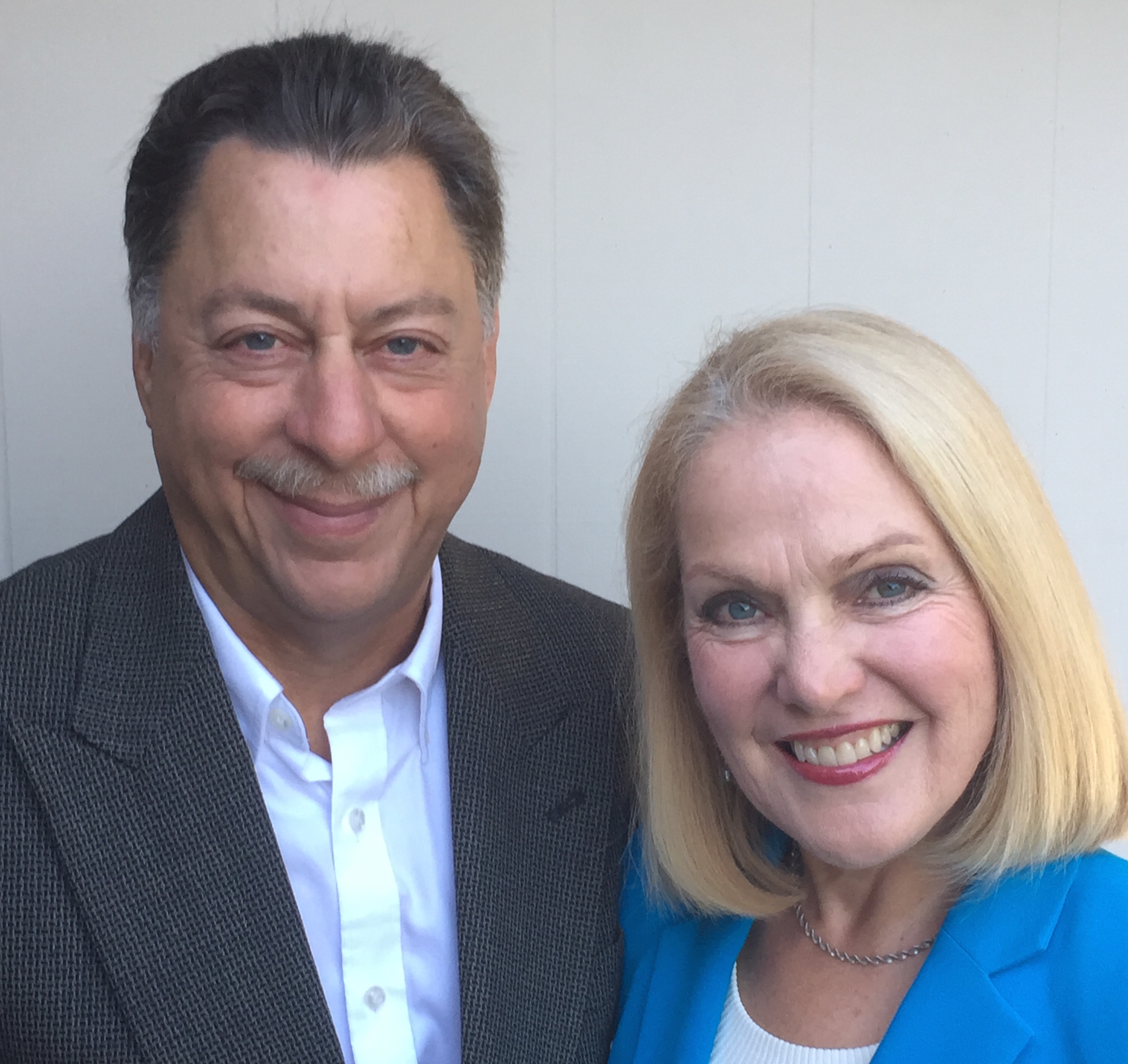
 

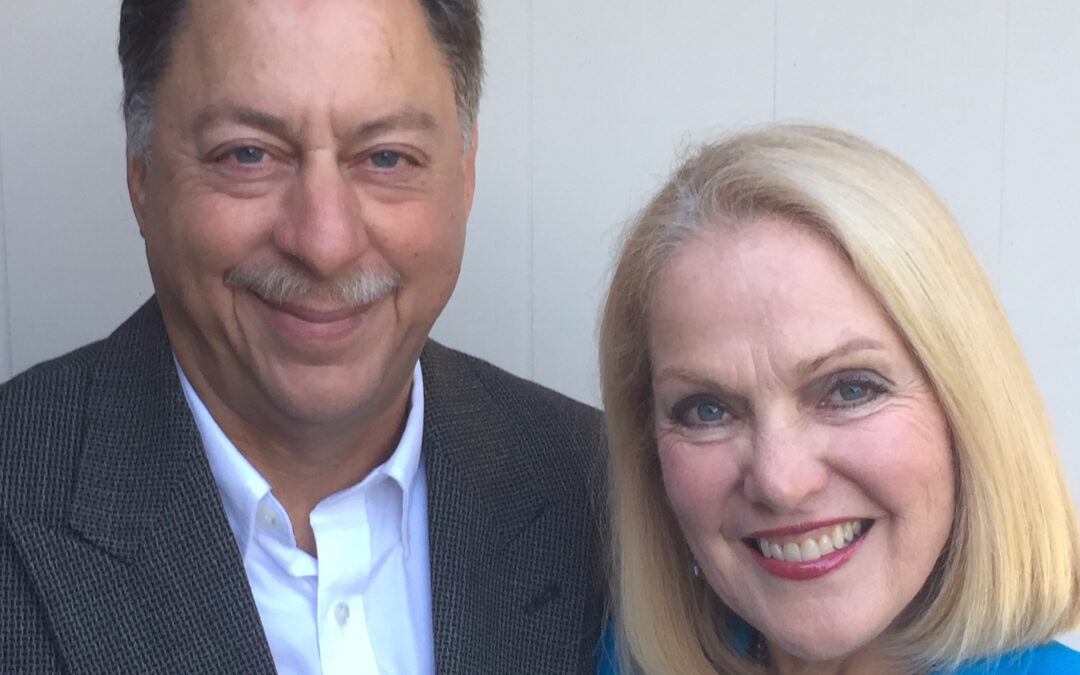
Dr. Mikol Davis and Carolyn Rosenblatt, co-founders of AgingInvestor.com

Carolyn Rosenblatt, RN, Elder Law Attorney offers a wealth of experience with aging to help you create tools so you can skillfully manage your aging clients. You will understand your rights and theirs so you can stay safe and keep them safe too.

Dr. Mikol Davis, Psychologist, Gerontologist offers in depth of knowledge about diminished financial capacity in older adults to help you strategize best practices so you can protect your vulnerable aging clients.

They are the authors of "Succeed With Senior Clients: A Financial Advisors Guide To Best Practice," and "Hidden Truths About Retirement And Long Term Care," available at AgingInvestor.com offers accredited cutting edge on-line continuing education courses for financial professionals wanting to expand their expertise in best practices for their aging clients. To learn more about our courses click HERE

The Advisor’s Role With Your Older Client’s Successor Trustee

The Advisor’s Role With Your Older Client’s Successor Trustee

Most advisors understand that your aging clients have done estate planning and that at least some of their assets are in a family trust. If you have never discussed this state plan and trust with any client 65 and up, it's a necessity. Why?

Every person is at risk, at some point for losing the capacity to do the job of managing that family trust. The risk rises directly with aging. No matter how healthy and competent your client may be right now, and no matter how educated about finances, the risk remains. No one is immune. There could be a stroke, heart attack or other disabling illness that renders the client unable to do the tasks necessary for making financial decisions. And that most dreaded of all diseases, Alzheimer's can sneak up on anyone, with the chances of it being especially bad for a person 85 and up. Did you know that the odds of having Alzheimer's disease are about one in three, at least, by age 85? It’s downright scary.

Here is what every advisor needs to know about your client's appointed successor on the trust: you have to meet that person and establish a relationship with him or her. Otherwise, you will be groping in the dark if an emergency or cognitive impairment happens to your client.

When is the right time to find out who the successor trustee is if you don't already know? We recommend bringing up the subject at or near retirement. Your client is very unlikely to say to you, "Hey advisor, I'm retiring soon and we'd best discuss what happens if I lose my marbles". Not a chance of that, so we suggest you take the lead.

Here are the points that your client may resist, but that you need to bring up and some suggested ways to do that. This is a script you might use:

  1. At retirement, we all need to take a look at the long run, and how we could age. It is possible that any of us could become physically or mentally disabled at some point in the future. I need to know which people you trust and have appointed to take over for you in the event of an emergency or disability.
  2. Let's talk about the last time your estate plan was reviewed or updated. Are you still comfortable with the person you appointed to be your successor trustee? If so, I need to meet him/her at least by phone. In case of emergency, I need to be able to discuss your portfolio with your appointee.
  3. As a responsible person, I'm sure you would not want to leave managing your portfolio to chance should you have an accident or disabling illness. I need to get your written permission to communicate with your estate planning attorney and your successor trustee. I have a sample letter here for you to sign, granting that permission to me in case of emergency or illness. Does this look all right to you?

You can learn more about best practices with your aging clients at AgingInvestor.com where we cover the gamut of things you are likely to see. Get your Ten Red Flags of Diminished Capacity Checklist here.


Dr. Mikol Davis and Carolyn Rosenblatt, co-founders of AgingInvestor.com

Carolyn Rosenblatt, RN, Elder Law Attorney offers a wealth of experience with aging to help you create tools so you can skillfully manage your aging clients. You will understand your rights and theirs so you can stay safe and keep them safe too.

Dr. Mikol Davis, Psychologist, Gerontologist offers in depth of knowledge about diminished financial capacity in older adults to help you strategize best practices so you can protect your vulnerable aging clients.

They are the authors of "Succeed With Senior Clients: A Financial Advisors Guide To Best Practice," and "Hidden Truths About Retirement And Long Term Care," available at AgingInvestor.com offers accredited cutting edge on-line continuing education courses for financial professionals wanting to expand their expertise in best practices for their aging clients. To learn more about our courses click HERE

Add Value By Offering Family Meetings For Aging Clients

Add Value By Offering Family Meetings For Aging Clients

Some advisors don't have any clients over age 75 and some of you have a book full of them. No matter what you have now, it is certain that if you intend to keep clients long term, you'll have elderly among them. Here is an important way to add value to what you do for them: meet with them and their intended heirs to discuss finances and aging issues.

Initiating family meetings about investments is not something most people are doing all by themselves. They need a nudge and you are the right person to give that nudge. What's the big deal? Don't underestimate the importance of family communication about their assets. Lack of trust and communication between generations causes 70% of wealth transfers to fail.

What that means is that the family wealth is lost when it gets into the hands of the first generation of heirs to follow the matriarch and patriarch. They aren't ready for and don't handle it well. You may be helping your client to build and maintain wealth but the client is not preparing his heirs to receive it. You can certainly help by offering to conduct meetings and explaining the strategy of wealth building and maintaining assets that you do.

There is more to the discussion in a family meeting than investments and the passing on of assets. There is the sometimes long, drawn-out period of an elder in failing health. Does the spouse know what to do and how much things will cost in providing long-term care to a loved one? Do the adult children know? It can get quite complicated if your client, like most people chooses to age in place at home rather than go to a facility to get needed care. Hiring, managing and supervising home care workers is no small task for anyone. You can offer factual information.

When dementia is an issue, you could be looking at a client living with it for 20 years. Each year that passes with this fatal brain disease is a year of greater dependency on others to get by. The possibility of long-term care needs discussion among family members. Starting the conversation may not be within your comfort zone but the skills of how to talk about these emotional subjects can be learned.

Most advisors proclaim that they want to add value to their services and they need to show how they are better than the competition. Have you considered that you can promote your ability and willingness to protect your client's financial safety for life as a selling point? You go way past the "successful retirement planning" line to the things that worry people about aging. You educate, collaborate, and coordinate discussions with their families and help them overcome the resistance to delving into aging issues no one likes to talk about. It is a part of your potential services you should not overlook nor avoid.

To learn some practical tips on how to conduct successful family meetings, check out our anytime on-demand online course here. It's CFP accredited, one hour, and very affordable. Join us today!


Dr. Mikol Davis and Carolyn Rosenblatt, co-founders of AgingInvestor.com

Carolyn Rosenblatt, RN, Elder Law Attorney offers a wealth of experience with aging to help you create tools so you can skillfully manage your aging clients. You will understand your rights and theirs so you can stay safe and keep them safe too.

Dr. Mikol Davis, Psychologist, Gerontologist offers in depth of knowledge about diminished financial capacity in older adults to help you strategize best practices so you can protect your vulnerable aging clients.

They are the authors of "Succeed With Senior Clients: A Financial Advisors Guide To Best Practice," and "Hidden Truths About Retirement And Long Term Care," available at AgingInvestor.com offers accredited cutting edge on-line continuing education courses for financial professionals wanting to expand their expertise in best practices for their aging clients. To learn more about our courses click HERE

Do you know your clients? Watch our 1 minute video.

Do you know your clients? Watch our 1 minute video.


Dr. Mikol Davis and Carolyn Rosenblatt, co-founders of AgingInvestor.com

Carolyn Rosenblatt, RN, Elder Law Attorney offers a wealth of experience with aging to help you create tools so you can skillfully manage your aging clients. You will understand your rights and theirs so you can stay safe and keep them safe too.

Dr. Mikol Davis, Psychologist, Gerontologist offers in depth of knowledge about diminished financial capacity in older adults to help you strategize best practices so you can protect your vulnerable aging clients.

They are the authors of "Succeed With Senior Clients: A Financial Advisors Guide To Best Practice," and "Hidden Truths About Retirement And Long Term Care," available at AgingInvestor.com offers accredited cutting edge on-line continuing education courses for financial professionals wanting to expand their expertise in best practices for their aging clients. To learn more about our courses click HERE