

The Advisor’s Role With Your Older Client’s Successor Trustee

The Advisor’s Role With Your Older Client’s Successor Trustee

Most advisors understand that your aging clients have done estate planning and that at least some of their assets are in a family trust. If you have never discussed this state plan and trust with any client 65 and up, it's a necessity. Why?

Every person is at risk, at some point for losing the capacity to do the job of managing that family trust. The risk rises directly with aging. No matter how healthy and competent your client may be right now, and no matter how educated about finances, the risk remains. No one is immune. There could be a stroke, heart attack or other disabling illness that renders the client unable to do the tasks necessary for making financial decisions. And that most dreaded of all diseases, Alzheimer's can sneak up on anyone, with the chances of it being especially bad for a person 85 and up. Did you know that the odds of having Alzheimer's disease are about one in three, at least, by age 85? It’s downright scary.

Here is what every advisor needs to know about your client's appointed successor on the trust: you have to meet that person and establish a relationship with him or her. Otherwise, you will be groping in the dark if an emergency or cognitive impairment happens to your client.

When is the right time to find out who the successor trustee is if you don't already know? We recommend bringing up the subject at or near retirement. Your client is very unlikely to say to you, "Hey advisor, I'm retiring soon and we'd best discuss what happens if I lose my marbles". Not a chance of that, so we suggest you take the lead.

Here are the points that your client may resist, but that you need to bring up and some suggested ways to do that. This is a script you might use:

  1. At retirement, we all need to take a look at the long run, and how we could age. It is possible that any of us could become physically or mentally disabled at some point in the future. I need to know which people you trust and have appointed to take over for you in the event of an emergency or disability.
  2. Let's talk about the last time your estate plan was reviewed or updated. Are you still comfortable with the person you appointed to be your successor trustee? If so, I need to meet him/her at least by phone. In case of emergency, I need to be able to discuss your portfolio with your appointee.
  3. As a responsible person, I'm sure you would not want to leave managing your portfolio to chance should you have an accident or disabling illness. I need to get your written permission to communicate with your estate planning attorney and your successor trustee. I have a sample letter here for you to sign, granting that permission to me in case of emergency or illness. Does this look all right to you?

You can learn more about best practices with your aging clients at AgingInvestor.com where we cover the gamut of things you are likely to see. Get your Ten Red Flags of Diminished Capacity Checklist here.
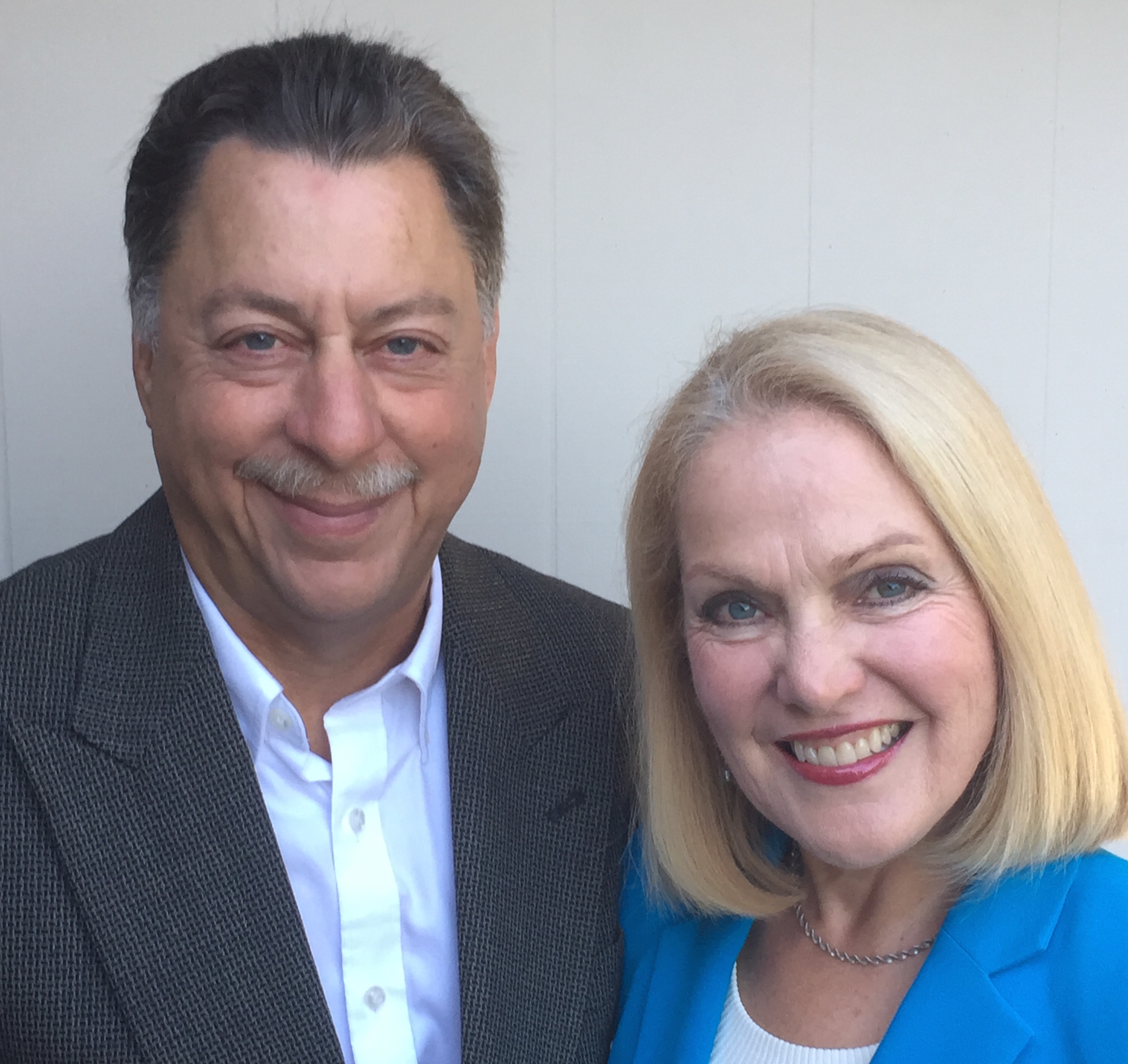
 

Dr. Mikol Davis and Carolyn Rosenblatt, co-founders of AgingInvestor.com

Carolyn Rosenblatt, RN, Elder Law Attorney offers a wealth of experience with aging to help you create tools so you can skillfully manage your aging clients. You will understand your rights and theirs so you can stay safe and keep them safe too.

Dr. Mikol Davis, Psychologist, Gerontologist offers in depth of knowledge about diminished financial capacity in older adults to help you strategize best practices so you can protect your vulnerable aging clients.

They are the authors of "Succeed With Senior Clients: A Financial Advisors Guide To Best Practice," and "Hidden Truths About Retirement And Long Term Care," available at AgingInvestor.com offers accredited cutting edge on-line continuing education courses for financial professionals wanting to expand their expertise in best practices for their aging clients. To learn more about our courses click HERE

Three Things Every Advisor Must Do With Cognitively Impaired Clients

Three Things Every Advisor Must Do With Cognitively Impaired Clients

Everyone is going to have someone in your book, sooner or later, who has cognitive decline. Studies tell us that the average advisor has at least 7 clients with some form of cognitive impairment now. We’d bet that when you became an advisor, your education did not give you guidance about what to do when you see the warning signs of decline in a client’s mental function. With increasing longevity, we have a problem like never before.

What are you supposed to do about it? Isn’t this the family’s problem? In truth, it’s not just the family’s issue—it’s an issue for everyone in an elder’s life, including the financial advisor. There are three essentials everyone should be doing to keep yourself and your client safer.

  1. For openers, you, the advisor must be familiar with the warning signs of cognitive impairment. At AgingInvestor.com, we offer a free downloadable checklist of these red flags, so you can keep it and use it as a guide. Please do. You can’t ignore these signs, as they are very likely to worsen over time. When your client is too “out of it” to make decisions, you are in trouble.
  2. Have two or three trusted contacts in your client’s file. If you have never asked for even one, now is the time. Make it part of your office policy, your task at a portfolio review, or what you decide to do this week because you are a smart, plan-ahead person. Why two or three? Because family members are often named first and family, unfortunately, are the ones who steal from aging folks most often. One of the contacts should be outside the family.
  3. Get written permission from your client to speak to their estate planning attorney, their accountant and any other professional involved in managing their affairs. This can be extremely helpful to you as a client begins to show those red flags. All of the professionals can act together to protect the client, get an appointed surrogate decision maker in place or otherwise reduce the risks of financial fraud and abuse. All it takes to give permission is a letter from your client, a simple but very important step you must take. Draft it for the client, ask him or her to sign and do it. 
                                                                                                                     
    The point of this action is to protect a vulnerable client from getting ripped off, from failing to attend to financial business, and from the neglect of basics that often accompanies this kind of mental impairment. You don’t need to be a hero. You do need to be a professional in the way you treat these older clients. And remember that if the client is “losing his marbles” and money gets drained by predators, decimating the portfolio, the family may look to you if you failed altogether to act. Remember, their inheritance could be at stake.

For more on working with your aging clients, check out our book, Succeed With Senior Clients: A Financial Advisor’s Guide to Best Practices.


Dr. Mikol Davis and Carolyn Rosenblatt, co-founders of AgingInvestor.com

Carolyn Rosenblatt, RN, Elder Law Attorney offers a wealth of experience with aging to help you create tools so you can skillfully manage your aging clients. You will understand your rights and theirs so you can stay safe and keep them safe too.

Dr. Mikol Davis, Psychologist, Gerontologist offers in depth of knowledge about diminished financial capacity in older adults to help you strategize best practices so you can protect your vulnerable aging clients.

They are the authors of "Succeed With Senior Clients: A Financial Advisors Guide To Best Practice," and "Hidden Truths About Retirement And Long Term Care," available at AgingInvestor.com offers accredited cutting edge on-line continuing education courses for financial professionals wanting to expand their expertise in best practices for their aging clients. To learn more about our courses click HERE

The DOL Fiduciary Standard & The Future: Your Client’s Heirs Are Watching You

The DOL Fiduciary Standard & The Future: Your Client’s Heirs Are Watching You

With the recent Texas Court of Appeals decision striking down the authority of the DOL to enforce its fiduciary standard, the industry remains enmeshed in its own conflict. Some firms embraced the concept of acting in a client's best interests for retirement accounts. Others fought it tooth and nail. What about your own clients if you are a broker and do not have to follow the DOL rule? Do you think no one is going to question you, your advice, or your commissions and fees?

With the amount of publicity generated in the long fight to get the rule passed in the first place, and the aftermath efforts to have it overturned, the public is more aware than ever of the need for transparency in what you recommend and in what advice you offer. Some clients may trust you and never ask a question about why you suggest a product, but don't count on that being universal. The public's perception of what you do is changing and in a sense, the cat is out of the bag.

In their marketing, firms that embraced the fiduciary standard can brag about it and when you have rejected the premise of prioritizing a client's best interest, you can't brag about it. In fact, prospects may be asking more and more often whether you are a fiduciary. What are you going to tell them?

Here at AgingInvestor.com, we educate advisors of all stripes about managing aging clients, particularly those with diminished capacity. Our associated site, AgingParents.com, is a resource for those with aging loved ones. At AgingParents.com, we advise and counsel families about watching over their aging parents' finances and we strongly encourage them to review what their elders are doing with their money. When they follow our advice, they are going to be looking at what you've done with the elder's portfolio. If you adhere to a fiduciary standard, no problem is likely. If you don't, beware. Your client's heirs are gradually assuming power over their parents' investments as their loved ones age and become less capable of financial decision making. Dementia is a frequent cause of loss of capacity. Often the adult children can take over as successor trustees or agents who are appointed as power of attorney long before the parent passes.

About 70% of women change advisors after the death of their spouses. Their adult kids will be encouraging them to find someone with a fiduciary standard. Perhaps large numbers of adult children will switch advisors before the death of the patriarch, once they scrutinize what choices you have recommended. They may even get a second opinion about your work.

This is merely a caution to any advisor who does not adopt a fiduciary standard, regardless of whether it is mandated legally. The next generation is looking at a parent's portfolio with fresh eyes and you may lose clients because of this. Keep the older clients in your book  for life and future generations by staying the course as an advocate and making decisions in their best interest, always.

<a href="https://agingparents.lpages.co/leadbox/14351a433f72a2%3A160053496b46dc/5696133603000320/" target="_blank" style="background: rgb(50, 100, 163); color: rgb(255, 255, 255); text-decoration: none; font-family: Helvetica, Arial, sans-serif; font-weight: bold; font-size: 16px; line-height: 20px; padding: 10px; display: inline-block; max-width: 300px; border-radius: 20px; text-shadow: rgba(0, 0, 0, 0.25) 0px -1px 1px; box-shadow: rgba(255, 255, 255, 0.5) 0px 5px 3px inset, rgba(0, 0, 0, 0.5) 0px 5px 3px;">10 Hidden Truths of Retirement and Long Term Care - Checklist</a><script data-leadbox="14351a433f72a2:160053496b46dc" data-url="https://agingparents.lpages.co/leadbox/14351a433f72a2%3A160053496b46dc/5696133603000320/" data-config="%7B%7D" type="text/javascript" src="https://agingparents.lpages.co/leadbox-1522784019.js"></script>

Advisors: Warn Your Older Clients About This Vicious IRS Telephone Scam

Advisors: Warn Your Older Clients About This Vicious IRS Telephone Scam

You may have heard of the fake calls from thieves pretending to be from the IRS. It can be a threatening robocall. Or it can be a male with an aggressive manner telling the recipient of the call that they will be arrested for owing back taxes if they don't pay immediately. These criminals carefully select older people and anyone they consider vulnerable to their fake pressure. Your aging clients could be a target and scammers want to terrify them.

How do they get the names of our aging parents? They buy them. Information is for sale, from lottery entry forms, contests, magazine subscriptions and from hacking whatever can be hacked. Identity information can even be purchased on the black market. "Information brokers" have been around for decades and so have these telephone scams. Supposedly, the entities that sell the names don't care what the buyer does with them. There are likely millions of names and telephone numbers available to the scammers, given the nationwide nature of their ripoff efforts. Apparently, names and numbers are very easy for them to get.

Here's how it works: The caller catches the unsuspecting older person off guard. The call is official sounding: "This is Officer James with the Internal Revenue Service and I am calling about an urgent matter! Do not hang up!" Sometimes they are even able to secure a fake caller ID that says "IRS" or looks like a legitimate government entity to those with caller ID. There were also reported cases when they used the name and email address of a CFPB employee.

They then tell the stunned elder that they or their spouse has an overdue debt to the IRS and if it is not paid immediately they will be arrested. Of course, they want the elder to use a wire transfer or a prepaid debit card so the thief can't be traced. The frightened person will hurriedly comply and realize only later that it was a scam. In the moment of reacting to the threat, they are not thinking clearly. They are moved by fear--just what the thief was hoping for.

No matter how many public service announcements are sent out, and no matter how many Federal Trade Commission, AARP or National Center on Elder Abuse warnings are posted, the scam is still working. We at AgingParents.com think the best way to keep our aging loved ones financially safer is to personally warn them yourself about these scams. They will probably listen to family more readily than they would seek information from the internet or official sources trying to spread the word. Of course, the IRS will never, under any circumstances call someone and demand payment of a debt. Their official communications about taxes are by snail mail.

If these evil scammers were not successful, they would stop doing this. But sadly, it works and they are relentless. My neighbors, many elders, have reported that they have gotten these calls this week. Beware. Please take the time to alert your loved ones to this problem. And don't think your mentally alert aging loved one is too smart to fall for this. No one is immune from being shocked and intimidated by a sudden call. It can happen to anyone.

We at AgingInvestor.com think the best way to keep your older clients financially safer is to personally warn them yourself about these scams. They will probably listen to family more readily than they would seek information from the internet or official sources trying to spread the word. Of course, the IRS would never, under any circumstances call someone and demand payment of a debt. Their official communications about taxes are by snail mail and that is not likely to change anytime soon.

If these evil scammers were not successful, they would stop doing this. But sadly, it works and they are relentless. My own neighbors, many elders, have reported that they have gotten these calls this week. Beware. Please take the time to alert your clients to this problem. And don't think your ever so sharp client is too smart to fall for this. No one is immune from being shocked and intimidated by a sudden call. It can happen to anyone.

If you want to send a friendly letter to your clients about this scam and don't have time to put it together, we make it easy for you. Just go to this link and download a free pre-made letter to send out.

Revise it with your name or firm name and you'll look good by showing that you do care about their financial safety. You'll never regret doing your part to thwart thieves and prevent financial elder abuse.

 

Dr. Mikol Davis and Carolyn Rosenblatt, co-founders of AgingInvestor.com

Carolyn Rosenblatt, RN, Elder Law Attorney offers a wealth of experience with aging to help you create tools so you can skillfully manage your aging clients. You will understand your rights and theirs so you can stay safe and keep them safe too.

Dr. Mikol Davis, Psychologist, Gerontologist offers in depth of knowledge about diminished financial capacity in older adults to help you strategize best practices so you can protect your vulnerable aging clients.

They are the authors of "Succeed With Senior Clients: A Financial Advisors Guide To Best Practice," and "Hidden Truths About Retirement And Long Term Care," available at AgingInvestor.com offers accredited cutting edge on-line continuing education courses for financial professionals wanting to expand their expertise in best practices for their aging clients. To learn more about our courses click HERE

Add Value By Offering Family Meetings For Aging Clients

Add Value By Offering Family Meetings For Aging Clients

Some advisors don't have any clients over age 75 and some of you have a book full of them. No matter what you have now, it is certain that if you intend to keep clients long term, you'll have elderly among them. Here is an important way to add value to what you do for them: meet with them and their intended heirs to discuss finances and aging issues.

Initiating family meetings about investments is not something most people are doing all by themselves. They need a nudge and you are the right person to give that nudge. What's the big deal? Don't underestimate the importance of family communication about their assets. Lack of trust and communication between generations causes 70% of wealth transfers to fail.

What that means is that the family wealth is lost when it gets into the hands of the first generation of heirs to follow the matriarch and patriarch. They aren't ready for and don't handle it well. You may be helping your client to build and maintain wealth but the client is not preparing his heirs to receive it. You can certainly help by offering to conduct meetings and explaining the strategy of wealth building and maintaining assets that you do.

There is more to the discussion in a family meeting than investments and the passing on of assets. There is the sometimes long, drawn-out period of an elder in failing health. Does the spouse know what to do and how much things will cost in providing long-term care to a loved one? Do the adult children know? It can get quite complicated if your client, like most people chooses to age in place at home rather than go to a facility to get needed care. Hiring, managing and supervising home care workers is no small task for anyone. You can offer factual information.

When dementia is an issue, you could be looking at a client living with it for 20 years. Each year that passes with this fatal brain disease is a year of greater dependency on others to get by. The possibility of long-term care needs discussion among family members. Starting the conversation may not be within your comfort zone but the skills of how to talk about these emotional subjects can be learned.

Most advisors proclaim that they want to add value to their services and they need to show how they are better than the competition. Have you considered that you can promote your ability and willingness to protect your client's financial safety for life as a selling point? You go way past the "successful retirement planning" line to the things that worry people about aging. You educate, collaborate, and coordinate discussions with their families and help them overcome the resistance to delving into aging issues no one likes to talk about. It is a part of your potential services you should not overlook nor avoid.

To learn some practical tips on how to conduct successful family meetings, check out our anytime on-demand online course here. It's CFP accredited, one hour, and very affordable. Join us today!


Dr. Mikol Davis and Carolyn Rosenblatt, co-founders of AgingInvestor.com

Carolyn Rosenblatt, RN, Elder Law Attorney offers a wealth of experience with aging to help you create tools so you can skillfully manage your aging clients. You will understand your rights and theirs so you can stay safe and keep them safe too.

Dr. Mikol Davis, Psychologist, Gerontologist offers in depth of knowledge about diminished financial capacity in older adults to help you strategize best practices so you can protect your vulnerable aging clients.

They are the authors of "Succeed With Senior Clients: A Financial Advisors Guide To Best Practice," and "Hidden Truths About Retirement And Long Term Care," available at AgingInvestor.com offers accredited cutting edge on-line continuing education courses for financial professionals wanting to expand their expertise in best practices for their aging clients. To learn more about our courses click HERE