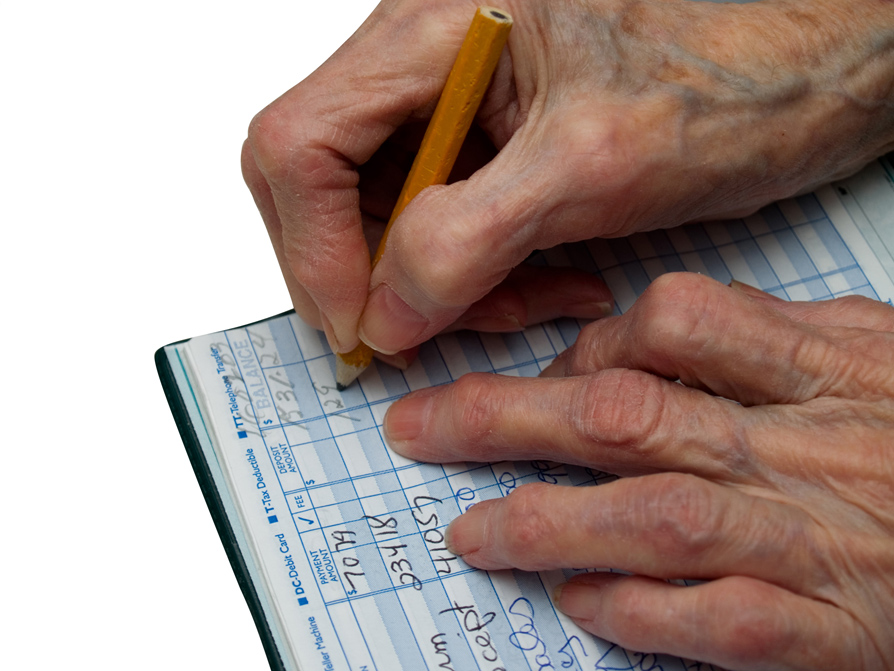

How Much Should You Plan On For Retirees’ “Out of Pocket Medical Costs”?

How Much Should You Plan On For Retirees’ “Out of Pocket Medical Costs”?

How Much Should You Plan On For Retirees' "Out of Pocket Medical Costs"?

For those outside the caregiving world, there is a lot of confusion about this cost. Calculations abound in retirement planning circles for helping your clients ensure that they have enough for the things they are likely to need medically. The usual calculations outline Medicare Part A premiums (deducted from Social Security payments), Medicare Part B supplemental health insurance premiums, also called "Medigap" and for medication expenses, as some are not covered my Medicare. In plain English, this means that your client's Social Security is less to them when the Medicare payment comes out and they have to pay out of pocket for the other kind of insurance that covers outpatient care, clinic and doctor visits, as well as prescription meds.

OK what's wrong with these calculators? Can't you rely on them? I think for an unusually healthy person who is your client, one who needs little care and has no chronic illnesses, they would be fine. I'm not sure where the folks making up the calculations get their statistics but I think they grossly underestimate the real costs of out of pocket medical care in retirement.

From personal experience with thousands of elders I visited at home as a nurse over a career, I did not see much of the unusually healthy. What I did see was the average person then taking numerous medications, having multiple chronic conditions and being at risk for those getting worse with age. And now, decades later, we live longer, have more health risks as a result of greater longevity and we have to pay more for the problems that go along with living to be 100. We have better diagnostics and we can catch and treat conditions more. That means more out of pocket expenses for those exotic tests Medicare will not cover. That also means more and more drugs being prescribed to manage and control chronic illness. They work, but we pay. You would be amazed at what Medicare does not cover.

Here's the message I want every retirement planning advisor to heed: you cannot predict how much out of pocket medical expense your client will have unless you really know a lot about both their genetic disposition and their health habits and condition. And then it's only an educated guess. How educated are you?

We do know that the way we age is about 30% due to our genetics. The other 70% of the picture is directed by how we choose to live. That means what we eat, how much we move our bodies, how we manage stress, how we socialize and how we succeed or not in our relationships with others. All of these factors affect our health and longevity and consequently, how much it's going to cost to keep living with conditions like heart disease, diabetes, cancer, hypertension, arthritis, etc.

We haven't even touched on the subject of Alzheimer's disease. If you are calculating out of pocket medical I'll bet you never calculate what it costs to care for someone at home 24/7 with specialized skill for dealing with this devastating disease. It can last 20 years. Nursing home care and caring for a person with any serious illness at home is long term care. That is not in the calculations in those handy tables describing the out of pocket medical costs for an average couple retiring at the age of 65 and living to be 85.

Here's an example. Mort is 95. He has multiple health issues and early dementia. He can't do anything by himself. He has 4 caregivers in shifts every day in his home. He isn't sure he wants to keep going but he doesn't want to stop the numerous medications he takes to stay alive. It costs over $250,000 a year just for the caregivers, not for the other costs of housing, utilities, transportation via handicap van and such. And the out of pocket medical is still there. The dentist, the hearing aids, the medications that no insurance pays for, the stair lift, the ramp on the front of the house, the high-end wheelchair and more.

If you want to help your clients plan so they won't run out of assets, you'll need to be realistic. Lots of cash may need to be available at the later end of life. It is more likely than not. Forget reliance on a calculator or use one that has the highest number you can find. Then add on expenses like Mort's and you're on the right track.

Get a lot more detail on caregiving, costs of care and what is needed as we age in The Family Guide to Aging Parents: Answers to Your Legal, Healthcare and Financial Questions. Check it out here.

Carolyn Rosenblatt, RN, Elder law attorney & Dr. Mikol Davis, Gerontologist
AgingInvestor.com and AgingParents.com


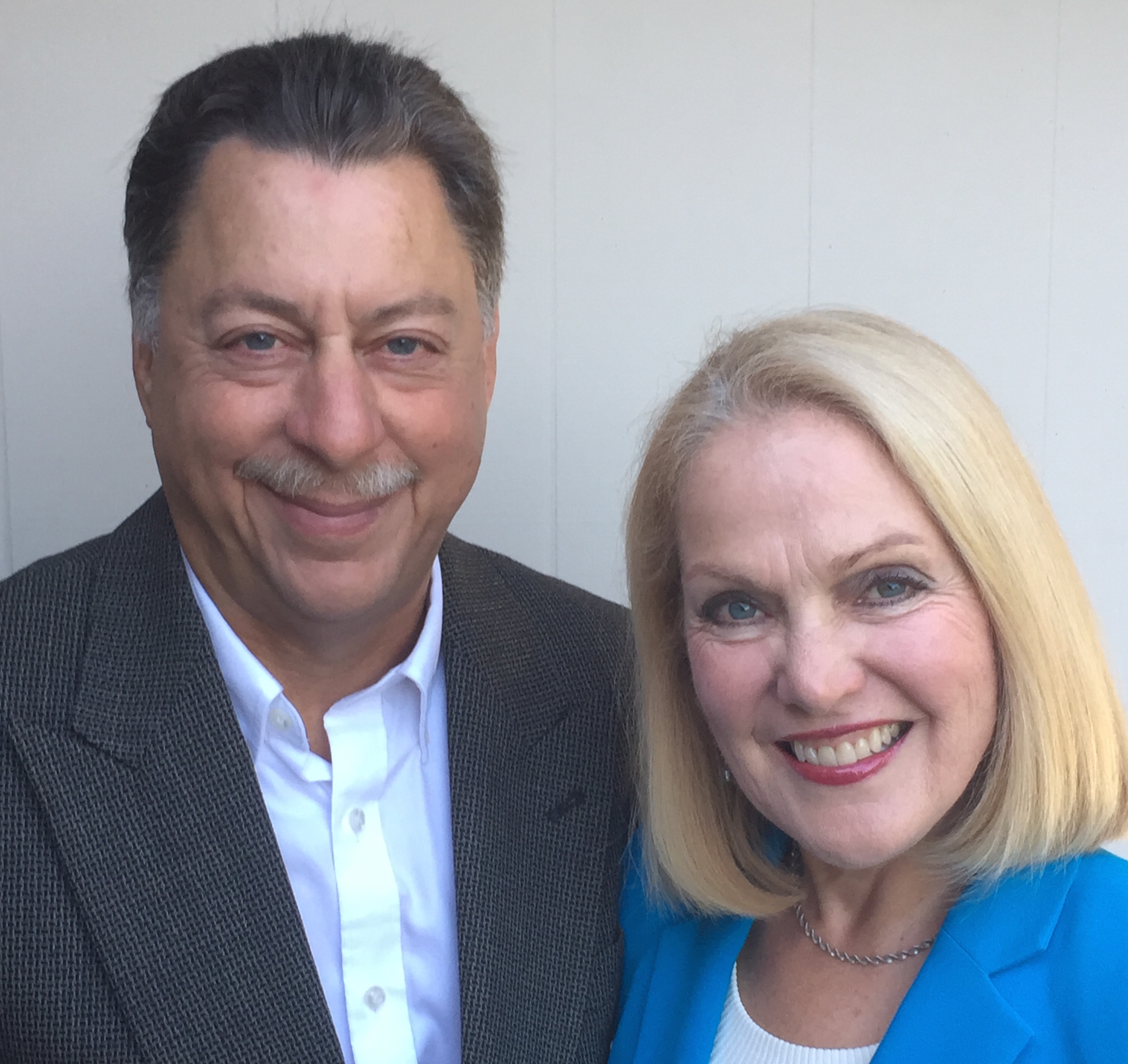
Dr. Mikol Davis and Carolyn Rosenblatt, co-founders of AgingInvestor.com

Carolyn Rosenblatt, RN, Elder Law Attorney offers a wealth of experience with aging to help you create tools so you can skillfully manage your aging clients. You will understand your rights and theirs so you can stay safe and keep them safe too.

Dr. Mikol Davis, Psychologist, Gerontologist offers in depth of knowledge about diminished financial capacity in older adults to help you strategize best practices so you can protect your vulnerable aging clients.

They are the authors of "Succeed With Senior Clients: A Financial Advisors Guide To Best Practice," and "Hidden Truths About Retirement And Long Term Care," available at AgingInvestor.com offers accredited cutting edge on-line continuing education courses for financial professionals wanting to expand their expertise in best practices for their aging clients. To learn more about our courses click HERE

What To Watch For: Aging Clients and The Sweetheart Scam

What To Watch For: Aging Clients and The Sweetheart Scam

What To Watch For: Aging Clients and The Sweetheart Scam

If it didn't happen so often, there would be no need to warn your single, widowed clients about it. But every day, someone gets taken in by a "special someone" who appears to have only your client's interests at heart. The special someone is a scam artist who knows just how to get an unsuspecting lonely man or woman into the web of deception. And then they finagle money out of your client and run.

Some of these scammers are skillful repeat offenders. Some just see an opportunity and proceed to milk it for all it's worth. Take the case of Tommy, whose wife was ill with cancer. He used to take his clothes to the local dry cleaner every week and he got friendly with the woman who ran the business. She loved to chat and gossip and he was lonely with his caregiving, cooped up with the daily chores he had to do for his ailing wife. Norma, the dry cleaner heard all about it.

Just after his wife passed, Tommy got a visit from Norma. She was so consoling and comforting. He felt like he had a real friend. She had heard about his wife's illness for over a year and was ever so sympathetic. She also knew he had money. Within a month she had moved in with Tommy.

Over the next six months of giving Tommy her undivided attention, she managed to persuade him to give her "loans" of over $300K. She promised to stay with him forever. He loved the flattery and feeling special. No sooner had Norma gotten the last of what she could easily take, she promptly sold the dry cleaning business and disappeared. This is not such an unusual story.

Here's what every financial professional needs to know about the Sweetheart Scam. Professional predators comb the obituaries for stories about the beloved widow or widower left behind. They look for those who have been with a deceased who was a business leader, a banker, a financially successful person. They choose the ones who may be likely targets, the survivors who have means. They scope out how to meet them and seize the opportunity to take advantage of loneliness.   They will stop at nothing to get in the door. And sooner or later they always need "a temporary loan" or a little help to get out of an unfortunate jam. If it works, they up the ante. This can go on until they have bankrupted a widow or widower. It will at least drain available cash if no one is watching.

That's where you come in, the financial professional with the ability to notice when unusual withdrawals are coming out of your client's account. Once the scammer has gotten control over your client's emotions, it may be too late to stop the scam. Your client is "in love" or at least addicted to the showered on attention. She won't believe your warning then. The heads-up must come early, before an opportunist has a chance to cast a spell.

Here's the takeaway: any recently widowed client in your book is a potential target. Do these things:

  1. Gently raise the subject of being careful of any stranger he/she meets soon after the loss of a spouse. Warn with empathy and facts.
  2. If your client claims he's met a "special someone" do some digging. Google the person he names. Ask a few probing questions. See what your client may not be able to see. Share the data you glean with your client.
  3. Be sure you have contact information for a family member or trusted friend of your client whom you can call if you see something suspicious. Call them if you think your client is in danger, particularly if your client doesn't want to hear your warning.

That protective posture you take on can save your client from disaster.

Financial elder abuse takes many forms besides the Sweetheart Scam. It is called "the crime of the century", it is so prevalent. With the right know-how, you can stop it and keep your clients safer. Take a deeper dive into this subject in a book written just for you, Succeed With Senior Clients: A Financial Advisor's Guide to Best Practices. Get a look at it here.

Carolyn Rosenblatt, RN, Elder Law Attorney & Dr. Mikol Davis, Gerontologist

AgingInvestor.com and AgingParents.com


Dr. Mikol Davis and Carolyn Rosenblatt, co-founders of AgingInvestor.com

Carolyn Rosenblatt, RN, Elder Law Attorney offers a wealth of experience with aging to help you create tools so you can skillfully manage your aging clients. You will understand your rights and theirs so you can stay safe and keep them safe too.

Dr. Mikol Davis, Psychologist, Gerontologist offers in depth of knowledge about diminished financial capacity in older adults to help you strategize best practices so you can protect your vulnerable aging clients.

They are the authors of "Succeed With Senior Clients: A Financial Advisors Guide To Best Practice," and "Hidden Truths About Retirement And Long Term Care," available at AgingInvestor.com offers accredited cutting edge on-line continuing education courses for financial professionals wanting to expand their expertise in best practices for their aging clients. To learn more about our courses click HERE

What To Do When Your Aging Client’s Health Is Failing

What To Do When Your Aging Client’s Health Is Failing

What To Do When Your Aging Client's Health Is Failing

Financial professionals can find themselves in an uncomfortable position when they have a long time aging client who is in declining health. Of course, you know the client and can see that she's struggling with a lot of issues. You may want to do something but this stuff is just not in your wheelhouse. Longevity is great but not when you start to lose the ability to manage on your own. What are you supposed to do for these clients?

You're trained to understand economics, taxes, financial products, planning. But you're not trained to direct aging people to whatever resources they may need as they get older. If they have family, you may expect family to step up, but you see that it may not be happening. Should you call them? Do you even know them? Do you have your client's permission? And what if they don't have family? That's even worse. Here they are getting frail and more vulnerable by the day and you are just watching helplessly.

It doesn't have to be that way. You can get acquainted with some basic resources in your area and the areas where your clients live. Maybe they never figured they'd live so long as to actually need help. When they do, you can be a starting point to help them find what's out there.

Let's imagine you have an aging client who is having trouble getting around and she needs some help with chores at home. She tells you about it when you ask her how things are going. She is shy to ask for help and reluctant to admit that it's harder and harder to live alone. You don't know what to say. Or do you?

One source of help everyone should know about is the Area Agency on Aging. These Federally funded programs connect elders to appropriate community organizations and places to get assistance. Their mission is to help older adults and people with disabilities live with dignity and choices in their homes and communities for as long as possible.

AAAs contract with local service providers to deliver many direct services, such as meals, transportation and in-home services. However, most agencies are direct providers of Information and Referral/Assistance, case management, benefits/health insurance counseling and family caregiver support programs.

Some are incorporated into a county's health and human services departments. Some are separate. Large states have many AAAs. Smaller less populated states have fewer of them.

One thing you can do now to be ready to assist your own client who may demonstrate a need is to research where the nearest Area Agency on Aging is in your client's community, download a brochure or information package and let your client know it's there. If he needs help at home, transportation services, vetted information about local service providers, an AAA is a great place to start.

This whole aging client issue can be a reflection of things you have experienced in your own family. Perhaps you have an aging parent or ill grandparent. Another problem solving source of information is our book the Family Guide to Aging Parents: Answers to Your Legal, Healthcare and Financial Questions

. Learn what's in it here. It can get you more comfortable with those difficult conversations.

Carolyn Rosenblatt, RN, Elder law attorney

AgingInvestor.com and AgingParents.com

Danger! Your Client Has Serious Memory Problems

Danger! Your Client Has Serious Memory Problems

Have you ever found yourself in a situation with an older client who can't seem to remember anything any more? You may have known the client over a number of years and feel responsible. But you are at a loss now. What are you supposed to do with this client? She's pleasant and just loves you. But you are worried.

You are pretty sure your client is experiencing a slow, but steady cognitive decline. She has a daughter in another state but maybe she isn't paying attention to what is going on with mom. She has a son she's not close to, though he lives in the same area she does. You asked her once if she had someone to be her agent, her power of attorney. She hadn't gotten around to that yet.

No one acts. No one insists that your client choose a relative or friend and sign the Durable Power of Attorney document. She says he doesn't want to talk about it and you just back off and never mention it again. You suspect she may have Alzheimer's disease, from your experience with your own family member.

Here is what can happen to your client.

She steadily loses judgment about what is a good thing to spend money on or invest in; therefore, bad decisions happen. We have observed savvy and intelligent clients who were once financially comfortable start falling for obvious scams. They buy worthless coins or stamps or fly-by-night property investments that take their money and disappear. Perhaps no one knows because the elder is in the secrecy habit. Time passes and the client's cognitive ability declines even more. There is no stopping dementia caused by Alzheimer's disease.   The predators find an easy mark. As long as there is cash to spend or credit cards to run up, the elder keeps getting into deeper and deeper trouble. Unquestionably, financial decimation can result.

These situations are real. Here at AgingInvestor.com, we're in the consulting business. We have talked to the families of elders who have probably been impaired for years, hearing them say they wished someone had done something sooner. No one but the financial professional knew what the client had nor where his money was going. The family thought the elder's finances were fine. Now, with too much drained out by excessive giving, the family may well end up having to support their aging relative just at the time when extensive care is needed and the expense of it skyrockets.

How do you prevent the worst? By engaging in discussion with your client's family or appointed other early in your relationship. If you have an ongoing connection with that trusted person in your client's life, you stand a better chance of protecting her from dumb and destructive decisions if her mind starts to go, later on in life. Even if you can't imagine how a perfectly alert, intelligent person could get dementia, it happens to millions of people as they live longer. 5.6 million of them are diagnosed with the disease right now in the U.S. alone. The risk rises with age.

If you have never had conversations with your older clients' families, now is the time to start. You need to educate your client about the importance of having someone else named by her for you to reach out to if she gets sick or has an accident.

You need to develop the skill of conducting family meetings while each client is fully competent. Even if a client has a few memory lapses now it is not too late to have a meeting with family to figure out the path forward in case of trouble ahead. This is a "soft skill" every advisor needs. If you want to learn how to conduct a family meeting or get better at this, you can learn the techniques in a hour.

Putting these skills to work takes some practice. It is especially important to know what to do when a client's family is difficult, or there is a history of conflict among them. That's tricky and you will need some outside help. Get a one hour accredited crash course on conducting successful family meetings by clicking here.


By Carolyn Rosenblatt, RN, Elder Law Attorney, & Dr. Mikol Davis, Gerontologist co-founders of AgingInvestor.com

Is There A Test for An Aging Client’s Diminished Capacity?

Is There A Test for An Aging Client’s Diminished Capacity?

Diminished capacity is sort of a catchall term that can mean different things. A person can have the capacity, for example to create a will or a trust, but at the same time that person might not have the capacity to understand the risks of buying a complex financial investment. Capacity is on a continuum. The more sophisticated the decision needed the more capacity it takes.

Is there any way to measure capacity? Is there a blood test or any other test? We have a number of things in the medical field that help give us clues and data, but there is no one, single thing that tells us for sure. We can't see inside a person's thoughts. What we do have is testing of the various areas of the brain, with standardized instruments, that give us information about how a person thinks. We call it neuropsychological testing.

What is neuropsychological testing?

Neuropsychological testing (using groups of related paper and pencil and verbal question and answer tests) can provide useful information to take the question of capacity outside the realm of speculation. Test data provides numbers, scores, something specific.

This kind of testing can give useful information about which tested parts of a person's cognitive function do or do not compare normally with the tested function of people of similar age and education. When a person falls below a measure of what is normal, and we have test scores to tell us where and how, it can give us guidance about whether to allow a person to keep making financial decisions.

Testing is underused in helping us find out about a person's mental capacity for numerous kinds of things, such as memory, following verbal instructions, understanding information and learning a new task. Not enough families know about it and request it and not enough others refer clients to the right source for considering it as a tool to give us more information. Perhaps older people resist it out of fear not "passing the test". If clients secretly know that they are losing their memory and do not want to be found out, they will strongly resist any suggestion of testing.

What can the advisor do?

If you are worried about a client who seems to be "losing it" and you aren't sure you have enough information about that, you can suggest that the client get a medical checkup, and that he ask the doctor to check into his memory. This is not a sure path to neuropsychological testing, to be sure. Unfortunately, doctors spend very little time with patients these days and a brief visit may not result in the follow-up testing you would like to have done. But in some cases, clients are willing, particularly when encouraged to do so by a concerned spouse or other family member. In spite of obstacles, know that this objective way of measuring things does exist and it can help everyone involved in the senior's life.

The client's primary care doctor may refer your client to a neurologist. The neurologist may prescribe this testing which is done by a licensed psychologist or neuropsychologist, who gives the results back to the neurologist.

You're not a doctor. But you don't have to be one to see the red flags of diminished capacity. If you are not sure just what to look for, learn all you need to know in an hour by clicking here. Learning best practices for diminished capacity can help you right away.


By Carolyn Rosenblatt, RN, Elder Law Attorney & Dr. Mikol Davis, Gerontologist co-founders of AgingInvestor.com