
The Big Tabu: Facing the Financial Industry’s Older, Impaired Financial Advisors

The Big Tabu: Facing the Financial Industry’s Older, Impaired Financial Advisors

At its Senior Protection Conference on November 12, 2019, FINRA took a cell phone poll of broker-dealers. They wanted to find out how many were worried about aging registered representatives at their firms.  The result: 65% were worried, according to the report published in Financial Advisor.  Yes, aging B-Ds are a problem.

Here at AgingInvestor.com, we’ve been sounding the alarm about this problem since 2016, when we published our book, Succeed With Senior Clients: A Financial Advisor’s Guide to Best Practices. “The Elephant in the Room” chapter dives into how impairment in advisors affects the industry and how that most definitely will affect their work with clients. A B-D or advisor whose memory and judgment are impaired, even in the early stages, can expose the firm to liability for mistakes these folks make. Cognitive decline should not be taken lightly.

The speakers at the conference offered attendees very little concrete advice on how to address the problem of an impaired advisor. What could one expect of them? They have no training nor skill set in identifying diminished capacity themselves. Without expertise, their discussions lack action plans.

As aging experts ourselves (RN, Elder law attorney and geriatric psychologist) and a resource to the industry, we question the suggestion that one should wait for “performance issues” to surface before any firm does anything about an impaired professional in its midst. If there is a “performance issue” visible to management, it is likely that it existed for some time and harm to clients already could have occurred. The notion is reactive, not proactive. Isn’t that contrary to the essential philosophy of financial planning itself to look ahead, strategize and don’t wait for a crisis??

Waiting for a manager to call a special team assigned to address the problem is not the best approach, as we see it.  For one thing, most firms don’t have a special team that would serve the purpose of knowing what to do with an impaired advisor. Yes, every firm would be well protected if such a team were formed and that is something we always recommend. However, failing to screen advisors with any in-house tools when impairment is suspected is to ignore the lurking possibility of harm to clients.  What do we mean by an in-house tool? Start with a checklist.

On our website is a free downloadable Financial Advisor's Checklist: 10 Red Flags of Diminished Capacity to help you spot the warning signs in clients. There is no reason any firm could not use relevant parts of the same tool to spot signs of diminished capacity in its own employees. It is not across-the-board applicable to the professional as compared with a client showing red flags but some points do apply to anyone. For example, memory loss, failure to appreciate the consequences of decisions, confusion, loss of ability to process basic concepts are all on the checklist and are universal warning signs.

What Can You Do With An Advisor You Think Is Impaired?

Proactive steps are essential.  Here are our recommendations:

  1. First, record your observations of changes in the advisor’s behavior. For example, forgetting appointments, failure to meet on schedule with clients, seeing too many blank stares in your interactions with him or her, becoming withdrawn from interactions can all be signs of trouble a manager must address. They could be associated with cognitive impairment or with other health conditions. Managers need to ask the advisor about what they and other colleagues see that looks like a possible red flag.
  2. Ask about general health issues, which can directly impact how an advisor does the job of handling clients. Is it nosy? Yes. Is client financial safety at stake if you don’t ask? Yes. Take the risk of opening the conversation. That is smart. Waiting for a disaster is not.
  3. Establish an in-house policy for what should be recorded by colleagues and reported to managers about possible signs of cognitive decline and the direction you want to take after signs are identified. The policy should be in writing and distributed.
  4. Have a plan to closely watch the apparently impaired advisor.

Asking the advisor to work with someone to supervise transactions is one option. Reviewing how the advisor is managing his or her work at short intervals is another option. And with obviously impaired folks who do not themselves recognize their own cognitive changes (not an uncommon thing), have a suspension or graceful exit means to stop the impaired person from putting clients at risk.  This falls under what those conference speakers vaguely referred to as “other arrangements”. Be specific.

This is uncomfortable territory for managers, compliance officers and for colleagues of older advisors in firms. However, the FINRA poll is telling. If this problem were not rising in our midst, 65% of those polled would not be worried. If you are concerned where you work, get your copy of Succeed With Senior Clients: A Financial Advisor’s Guide to Best Practices, now or get a live or online presentation from us at AgingInvestor.com. Don’t put your firm and your clients at unnecessary risk.

By Carolyn Rosenblatt, RN, Elder law attorney, Consultant, AgingInvestor.com

Do Your Older Clients A Favor: Warn Them About This Scam

Do Your Older Clients A Favor: Warn Them About This Scam

Attempts to scam money from seniors never stop. And the thieves keep getting better at thinking up ways to extract information from older folks. Here’s another one—a different phony Medicare trick.

People hear ads on TV about genetic testing and how it can predict disease and protect them. They also hear ads that they’re not getting all the Medicare benefits they deserve. Who doesn’t want to get all the benefits they should get? It’s a perfect moment for scammers.

They may call your retirement-aged client and tell them that new genetic testing is available that Medicare will pay for, worth thousands of dollars. Of course, all your client has to do is to give them their Social Security number and the free testing kit, signup papers, or other inducement will be mailed to them immediately.

Let’s be clear: Medicare does not pay for genetic testing as a “new benefit”. If for any reason such testing were needed, a physician would order it and explain why it was needed. Such testing would not be ordered without any discussion with one’s MD.

Your client should never, ever give out a Social Security number or other personal information such as date of birth or address over the phone. Your client must never accept a genetic testing kit not ordered by one’s own doctor. If it is accepted and the cheek swab, DNA test or anything else is given to the sender, your client may be billed directly, potentially incurring a debt for thousands of dollars. It would be a sad day for your client to mail in a claim for reimbursement to Medicare for a fake benefit and realize that the claim is denied. They’re on the hook for the full price.

These kinds of scams are used to get information to commit identity theft and Medicare fraud. No matter how smart your client is, anyone can be caught off guard and tricked.

What Advisors Can Do

Here are some ways to let your client know you care about their financial safety.

  1. Prepare a friendly form letter to send to all clients over age 65 and inform them about this scam. Warn them not to fall for it.
  2. Keep abreast of all the latest scams in over 30 categories at the Federal Trade Commission, which explains what they are and how they work. Keep clients advised.

If identity theft has happened, direct your client to the Federal Trade Commission website for instruction on what to do.

Carolyn Rosenblatt, RN, Elder law attorney, AgingInvestor.com

About Carolyn Rosenblatt and Dr. Mikol Davis

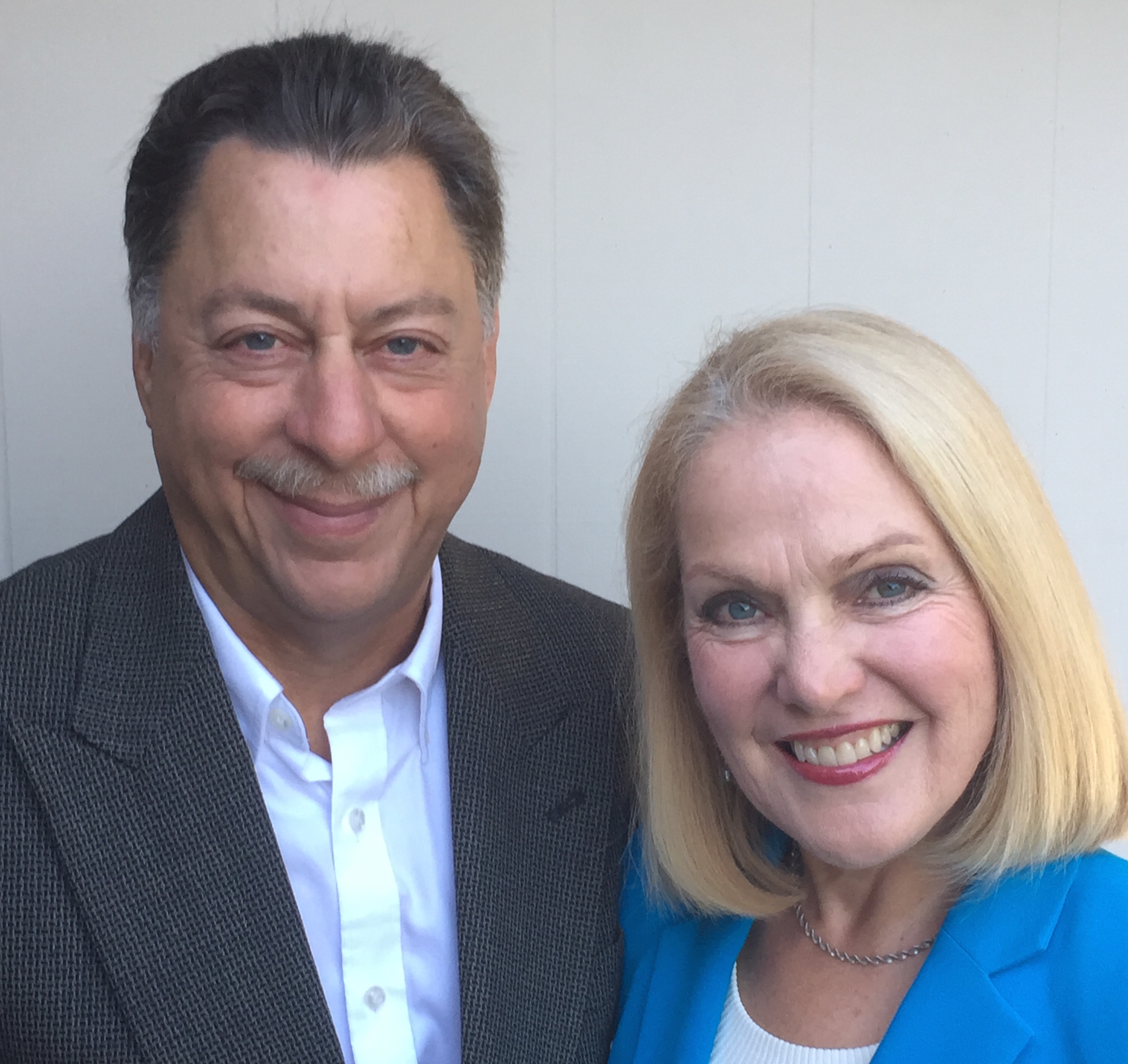
Carolyn Rosenblatt and Dr. Mikol Davis are co-authors of The Family Guide to Aging Parents (www.agingparents.com) and Succeed With Senior Clients: A Financial Advisors Guide To Best Practices. Rosenblatt, a registered nurse and elder law attorney, has more than 45 years combined experience in her professions. She has been quoted in the New York Times, Wall Street Journal, Money magazine and many other publications. Davis, a clinical psychologist and gerontologist, has more than 44 years experience as a mental health provider. In addition to serving his patients, Davis creates online courses and products to assist professionals and the public with understanding aging issues. Rosenblatt and Davis have been married for 34 years.


The Hole in The Senior Safe Act: Why Briefly Holding Transactions Is Not Enough To Stop Abuse

The Hole in The Senior Safe Act: Why Briefly Holding Transactions Is Not Enough To Stop Abuse

 The Senior Safe Act allows you to hold transactions when you suspect financial abuse of a client. The Act is designed, at least in theory, to allow time for the trusted contacts you have on file to take appropriate action. Many of those victimized by predators or manipulated by unscrupulous family have dementia and have lost their judgment about what makes sense financially. The Act urges you to get trusted contacts and provides that you are not breaking privacy rules to contact them in the reasonable belief that your client is being financially abused. The length of time you can hold a requested transaction can be as long as a month. This is where the Senior Safe Act has missed the mark.

 Let’s look at the reality of impaired elders who are in charge of their wealth on the family trust. The trust is in order, and if the elder recognizes that he or she is experiencing decline in mental ability, that trustee may choose to resign. Simple. But that is not what happens in too many cases. For many persons who have cognitive decline and dementia, the elder does not recognize that he is impaired at all. “I feel fine!” he tells his worried family. When asked to resign as trustee, having total control over (theoretically) millions of dollars in a trust, the elder flatly and stubbornly refuses. Meanwhile, financial abuse by predatory people can continue unabated.

 When an older person experiences cognitive decline, it typically has a very slow onset. Short-term memory loss does not raise enough red flags for those closest to the elder to take any action. “She’s just getting old” they say dismissively. But memory loss is often the first and earliest warning sign of Alzheimer’s disease, the most common form of dementia. The odds of having Alzheimer’s disease by age 85 are at least one in three.  Think about your own older clients. Some live well beyond age 85. The risk of dementia rises with age. Short-term memory loss interfering with daily life is not a normal part of aging.  Financial abuse and cognitive impairment often go together.

 When financial abuse reaches a visible level, the advisor may do what the law allows and call the trusted contact person, usually an adult child.  The advisor hopes that the call will somehow trigger something and the abuse will be stopped. But here is a reality check: The family can’t accomplish anything needed in two weeks or even a month if you hold transactions then. Here is a real case example of just such a situation, showing how long it really did take.

 In our work with a family at AgingParents.com we saw rampant financial abuse of an elder by a family member. The elder had dementia but had not been formally diagnosed by his doctor. Over 70% of his income was going to the predator. He was asked to resign as trustee by his two adult children, who were reasonably worried that he was going to give away all his cash and further encumber his home. The dad, whom we’ll call Gene, had been developing dementia for at least two years. He felt obligated to the predator and was totally powerless in resisting her demands for money. He just kept writing checks, draining his own resources. It was clearly a case of financial manipulation.

 We were involved in working to persuade Gene to allow what his family trust provided: to have his daughter, Jennie, become the successor trustee.  He agreed, then reneged. He accepted the logic and then refused to accept it. The kids had no choice but to use the law to take over control. Their father was too stubborn to resign as trustee when asked, even with the entire family presenting a united front, asking and respectfully begging.

 The trust, like many such documents provided that Gene could be removed as trustee by his appointed successor, his daughter, after two physicians had declared him to be incapacitated for handling his own finances. A court decision was not required. However, getting him to two doctors willing to assess him and put their observations in writing was a challenge that took months to accomplish. The total time spent getting the change of trustees accomplished according to the terms of Gene’s trust was eight months.

 His children were the trusted contacts in the advisor’s file. They knew about the abuse and were in agreement with the advisor that Gene had to stop being the trustee. The adult children had to hire consultants (AgingParents.com), have meetings, hire an attorney, and try various methods to get the job done.  Their time energy and thousands of dollars were expended to prevent an even worse outcome, which was being left to support their aging father if he were to totally deplete his own funds.

The takeaways:

  1. Though well intended, we do not expect that the Senior Safe Act will do much to stop financial abuse because of the short time allowed for a financial professional to hold transactions. In Gene’s case, the predator would have been happy to wait a mere two weeks or a month before resuming the financial manipulation of Gene.
  2. Know that any older impaired client may not understand that he or she is cognitively impaired and will ignore pleas to resign as trustee with total control over any family trust.
  3. If you see that an older client is showing signs of cognitive decline, do not wait until it gets worse. Reach out at the time of your first suspicions of trouble.  The family or other trusted persons may well have a better opportunity to persuade an elder to transfer power over finances to the appointed successor before complete loss of capacity. Expect this to take time.

In the case described above as a result of ongoing financial abuse, nearly all of Gene’s cash was depleted during the eight months of effort on the part of his adult children to have him removed.  The advisor did the right thing but too much of Gene’s cash was depleted in the period when the abuser could keep manipulating him for those months of effort by family to have him removed as trustee.

By Carolyn L. Rosenblatt, RN, Elder law attorney, AgingInvestor.com 

If you are seeing abuse and feel lost about how to stop it, contact us at AgingInvestor.com for a confidential consultation with our nurse-lawyer, geriatric psychologist team so you can do everything possible to protect your vulnerable client.

Advisors: Are Your Aging Clients Targets? Will The Senior Safe Act Help?

Advisors: Are Your Aging Clients Targets? Will The Senior Safe Act Help?

Scams, theft and fraud with seniors' money is a growing problem. Now the Wall Street Journal reports that banks in our country calculated a 12% increase in financial elder abuse just in the last year. Why do the thieves pick on grandma or grandpa so much? It looks so ugly to take advantage of an elder.

Your aging clients, whether getting advice or investing in your institution, are targets without a doubt. They hold a disproportionate amount of our country's wealth. And you can help stop them from being victimized. Over $36B a year is stolen from elders in the U.S. alone.

Your aging parents are easy targets for scammerThe Ss for lots of reasons. Elders in this country hold a disproportionately high level of wealth compared to younger people. Some have accumulated significant assets and they may not see themselves as vulnerable at all. Clearly, diminishing cognition makes it easy for thieves and manipulators. Cognitive decline affects at least a third of people over age 85. Your aging client may not have the awareness any longer to spot a fishy-sounding line from anyone. Widowed clients live alone and are isolated, ready to engage with that friendly sounding, cheerful voice from the clever scammer on the phone.

Thieves stay in contact and weave a trap over time. Many aging folks are dependent on others for care, for help at home and for social contact. Dependency makes them vulnerable. Unscrupulous family members lead the pack of those who seize on that vulnerability and trust to rip off their elders. It's all too easy to influence an aging person to give a "loan", access to an account, or power of attorney to a person with ulterior motives, which essentially creates a license to steal. Eventually they all want your elderly client to give them money. That's where your awareness can thwart them.

Banks are making efforts step up their reporting of suspected elder abuse, but that is not enough to thwart the crime. The Senior Safe Act gives you, the financial professional protection if you report suspected financial abuse. Great. But how about stepping up your contact and review of transactions with any elderly client before abuse happens? Too often, the customer-facing bank employee does not see anything wrong until far too much money has been drained from the elder's account. After the abuse has occurred, it is too late to get the money back. And there is hesitation at the banks, even when they are warned. To put bluntly, banks can add to the problem.

One example of this involved a client of ours at AgingParents.com where we consult with families and elders. She was the daughter of an 87 year old dad who had some memory problems and was frail, losing independence. Her father was a wealthy man, in a long-term relationship with a younger woman. She had manipulated him into giving her access to his family's trust account into which his significant income was deposited each month.

The man's daughter found out after a suspicious withdrawal from the account and she contacted the bank immediately. She traveled to her father's state, went to the bank in person and showed them the trust, which did not have the girlfriend's name on it anywhere. She asked them to stop the access by the girlfriend. The bank complied and put the funds into an account to which the girlfriend did not have access. After the man's daughter left the state, the girlfriend took the elder back to the bank and told him to say that he wanted her on the account. Presto! The bank complied and the girlfriend then had access once again, only one day later. The bank aided the girlfriend in financial abuse of their own elderly customer, despite a specific request to stop it and evidence of manipulation. The matter ended up in litigation. We can only say "how ridiculous!" The financial professional, bank employee or manager should have known better. The picture was classic: warning had been given, paperwork proving the problem was given to the bank, and the bank agreed to take the pushy girlfriend off the account. Then they turned around the next day and did the opposite, just because the elderly customer was standing there. Never mind that he was manipulated into saying what the woman told him to say, prodding him as he stood there. That kind of scenario is what needs to change.

If you are now supposed to report abuse, you definitely need to know what the red flags of diminished capacity look like and how to see the warning signs of financial abuse. At AgingInvestor.com, we offer accredited courses to train financial service employees, compliance officers and managers in how to spot warning signs of cognitive decline and financial elder abuse.

Get your free checklist of the red flags of diminished capacity here.

Here are some takeaways:

1.The Senior Safe Act gives you some immunity if you report abuse. It offers you no guidance in how to spot elder financial abuse.

2. Aging clients with diminished capacity are, of course, much more vulnerable to manipulation by an unscrupulous romantic "friend", family member or stranger on the phone or internet. They need your protection.

3. Odds are that by the time you report suspected abuse, the money is already gone and authorities cannot get it back. It makes more sense to be proactive in protecting aging clients rather than merely reporting abuse. Learn about how to do that by training.


By Carolyn Rosenblatt, RN, Elder law attorney, AgingInvestor.com

Advisors And Aging Clients Who Live Alone: Beware Of The Risks As They Age

Advisors And Aging Clients Who Live Alone: Beware Of The Risks As They Age

Whether your older clients have family or not, living alone can lead to increasing social isolation and higher risks of health problems. The case study here is based on a true story involving a 75-year old that was very independent until a crisis. Imagine that she is your client with a multi-million dollar portfolio.

Brenda is single and never had kids. She has one family member two thousand miles away. Few friends live in her area. She rents a two-story condo with steep stairs, in a largely inaccessible hillside area. She has been driving herself places though she admits she shouldn't drive. Brenda is also in chronic pain, even after two surgeries and she feels ready to give up. She takes multiple medications.

With multiple medications, things can go wrong. They interact, they have side effects, and they can cause chemical dependency. All of these things happened and one day Brenda could not get out of bed. An emergency room visit, hospitalization, and rehab followed. She acknowledged that she could no longer live alone in her unsafe condo. She was just too weak to keep managing the stairs.

What happened next is something we at AgingInvestor.com personally witnessed. Brenda was referred to us just before the crisis. We had established a trusting relationship by phone but first met her in the hospital. Without professional help and a transition team of committed people, she would most likely have gotten stuck in the healthcare system until her only relative could fly across the country and rescue her. She needed a suitable apartment in a seniors' community with help at hand found in assisted living. The healthcare folks were not going to offer a transition team.

Brenda got a great deal of assistance from us, as we were able to assemble a team consisting of a psychologist, geriatric care manager, nurse-attorney (myself), mover, and a personal assistant, just to line up a plan. She needed to complete physical therapy to strengthen her so she could walk around and get settled in a new apartment. Without that, what would have happened? If statistics tell the story, she would have returned to her unsafe condo. She probably would have fallen there and ended back in the hospital, perhaps in worse shape than when she left there a few weeks earlier.

When you have a very independent older client, alone, who has the means to retain professionals to help plan for the next phase of their lives, it's good advice to urge that planning on them. Making a change of one's living arrangement in a crisis is uncomfortable and leaves few choices. Finding a suitable assisted living apartment alone can be a daunting task. In Brenda's case, the change was thrust on her without time to consider it, think of all options and prepare emotionally for losing her independence. We were able to help her, but not everyone can immediately access and hire the right people to make such a transition easier. Brenda, on her own, would have had no idea what to do after she left the rehab facility. Going home again would have been asking for a repeat crisis, or worse.

The Takeaways:

  1. Consider every aging client in your book as having risks associated with getting older. Living alone typically can't go on forever. Plan with them about their options.
  2. Cost of various choices such as assisted living is a factor that drives decisions. Plan with them. What budget is reasonable? Brenda's assisted living costs over $6000 a month for basic services, which include meals and laundry but no personal care. That's extra, as are all outside professionals.
  3. Even if your aging client is not ready to think about giving up living alone, it should be part of your job to help the client plan for the possibility. It's real.

We hope Brenda's story will encourage you to bring up the topic of what help an aging client in your book might need in the future. A good plan can make all the difference and you can be the guide. You need to do more than just manage the money with isolated elders. If you aren't sure how to approach this, we offer advice at AgingInvestor.com, a nurse-lawyer, and geriatric psychologist team.


Dr. Mikol Davis and Carolyn Rosenblatt, co-founders of AgingInvestor.com

Carolyn Rosenblatt, RN, Elder Law Attorney offers a wealth of experience with aging to help you create tools so you can skillfully manage your aging clients. You will understand your rights and theirs so you can stay safe and keep them safe too.

Dr. Mikol Davis, Psychologist, Gerontologist offers in depth of knowledge about diminished financial capacity in older adults to help you strategize best practices so you can protect your vulnerable aging clients.

They are the authors of "Succeed With Senior Clients: A Financial Advisors Guide To Best Practice," and "Hidden Truths About Retirement And Long Term Care," available at AgingInvestor.com offers accredited cutting edge on-line continuing education courses for financial professionals wanting to expand their expertise in best practices for their aging clients. To learn more about our courses click HERE