Oct 9, 2020 | aging, aging investor, elder investor, elderly, finances for elders, financial advisors, financial capacity, financial judgement, handling money for aging parents, senior investor
Financial professionals often use the term “financial wellness”, referring to a client’s comfort level with their assets in retirement. That sounds good. But is there any connection between finances and wellness of the body and mind in retirement? Perhaps there is a vague belief that if you’re financially secure, all is well. In reality, how much money you have does not automatically make you physically nor mentally well, nor does it protect anyone against the one thing many people fear most: Alzheimer’s disease. Dementias are no respecters of the wealthy. No one is immune to brain disease.
You may hear the well-worn adage, “Without your health, you have nothing”. OK, that’s not completely true either. Even with declining health related to aging, you may still have excellent quality of life. That is a matter of perspective, and a matter of using assets you have to make the most of life, even with disabling conditions. The one factor that makes for a more secure longevity is what you can afford in terms of care, as aging takes its toll on independence.
Research clearly shows that how we live our lives, our healthy habits or lack of them is responsible for about 70% of how we age. Aging is different for each person, with the other 30% of the picture directed by genetics. Suppose you have a client with longevity running in the family. That may affect your client’s life span but it will not guarantee a great “health span”; i.e., how long one is healthy. What we already see with our aging population is an increase in disabling illnesses in seniors coping with diabetes, heart disease, obesity, high blood pressure and yes, Alzheimer’s disease and other dementias. Genetically predisposed to live long? How fun can it be to live to be 100 if you have a combination of these illnesses, cutting off the things that make life worth living for most of us?
It is extremely unlikely that any financial professional is going to convince a client to lose weight, exercise, stop smoking or cut out junk food so they can enjoy retirement more. That’s not your job. Managing assets is your job and the assurance you can provide is that your client, with a strategically managed investment portfolio, will be able to afford high quality care in old age.
What does high quality care mean for one’s retirement years? It means that if enough assets are available, your client will never have to go to a nursing home. It means that they can afford well trained caregivers at home from high quality agencies, licensed, bonded and insured.
Here’s an example from real life with one of our clients at AgingParents.com, the companion site to AgingInvestor.com. Timothy is 97 years old, living in a lovely home he’s been in since 1960. He is widowed. He needs a walker. He doesn’t cook for himself. He’s very alert but with lung disease, he’s frail. He has a high-end agency providing care management as well as caregivers day and night. He has the means and the right to spend his last days in his own home. Even if his health deteriorates further, he can afford a Registered Nurse to oversee his treatment or give additional skilled care to him at home. Licensed home health agencies can give skilled nursing to anyone at home for a price. A concierge physician can also visit him at home and direct the medical treatment for any illness or chronic condition. That is high quality care, and it comes only at a high quality price.
If you are in the business of managing client assets as they age, don’t just talk about how fun retirement will look at age 90 because they have plenty to spend. That may not be true at all if health is an issue. At that age, declining health is usually problematic. Be truthful. Let your clients know about how you are working to protect them in longevity, no matter what health conditions they may face. That protective spirit feels good to people, knowing you’re watching out for them and that you support the notion of staying in one’s home to the end of life. You have foresight they may lack. And you know the dollars they’ll need for what is likely to become necessary with long life.
If you do not know details of just what dollars those are, the nuts and bolts of how much it actually costs to pay for the numerous kinds of care a person may need, you can quickly find out. It’s laid out for you in our book, Hidden Truths About Retirement & Long Term Care, available at AgingInvestor.com and on Amazon. Increase your expertise! Get your copy today by clicking here
By Carolyn Rosenblatt, RN, Attorney, AgingInvestor.com and AgingParents.com

Oct 31, 2017 | aging investor, cost of aging, cost of long term care
Recently, we were invited to speak at the Buckingham Alliance annual conference where we gave the keynote address on the issues of managing aging clients. The average advisor has at least 7 clients right now with some form of cognitive impairment. Because of this, older clients often lack the ability to make safe financial decisions. This is why a change in the way advisors manage these clients must start now. We found that many conference attendees told us they were reluctant about bringing up the subject of their client's getting older and specifically when they had concerns about changes in their financial decision-making abilities. Most of us are conflict-averse when it comes to bringing up something like this that can be controversial.
With increasing longevity and its attendant risks, particularly of cognitive decline, it is imperative that advisors change the way business is done with the older client. Change isn’t easy for anyone. When advisors get used to doing things the way they've always done them, a shift can feel overwhelming. Most of us prefer to stick with what we know. If business is good, and no disasters have happened with the older folks in your book yet, you may think it’s ok just wait until "something happens" and then figure out what to do then.
Spoiler alert! "Something" is already happening! As people live longer and longer, we see more and more age-related brain changes, such as Alzheimer's disease or other forms of dementia. These changes in cognitive ability sneak up on you. The onset of dementia takes years in most cases. You might not even know what to look for. Don’t make the mistake of waiting until disaster strikes. Shouldn’t planning for the unexpected in all cases be a part of your job?
Here's the nitty-gritty: your clients are getting older and some of them, no matter how smart or accomplished, are going to be unable to make financial decisions. When they show signs of impairment, ignoring them and carrying on as if everything is fine is a dangerous risk. Here are some things that can happen if you don't take action.
You can get fired. If a family member of your clients tells you that the patriarch is making terrible decisions with money and money is being spent at a ridiculous rate, they may ask for your help. If you say, "I just manage the money" you will not look good. Adult children with the patriarch's power of attorney can and will get rid of you. This has really happened and with a HNW client's portfolio to boot.
You can be exposed to liability. You are supposed to know your client. That means you must be aware of things not being right with his decision-making. If you do nothing, thinking it's not your problem, an heir of that client could come after you because you failed to take any steps to keep your client financially safe. If the assets get drained, relatives will get angry. You must act reasonably. Doing nothing is unreasonable when you strongly suspect or know that a client is cognitively impaired.
Making basic changes in how you plan ahead for aging clients does not have to be extremely complicated. It does require that you identify all the clients over age 65, for example, and that you monitor them and their portfolios more often than you would younger clients. It requires that you learn what to look for when you think the older client is slipping. And it requires that you and your organization develop a clear path for escalation of a problem before financial abuse or other negative consequence happens.
If those in attendance at the conference went back to their offices and did just a few things differently than before, that is change. We hope raising the issues about older clients isn't just a conversation. More than thinking and talking is needed. We want you to ask yourself, "am I willing to change?" If you are and you need a start, use the free, downloadable checklist, The Ten Red Flags of Diminished Capacity so you can spot the warning signs. Those signs can be telling you, no more business as usual with this clients.
|
|
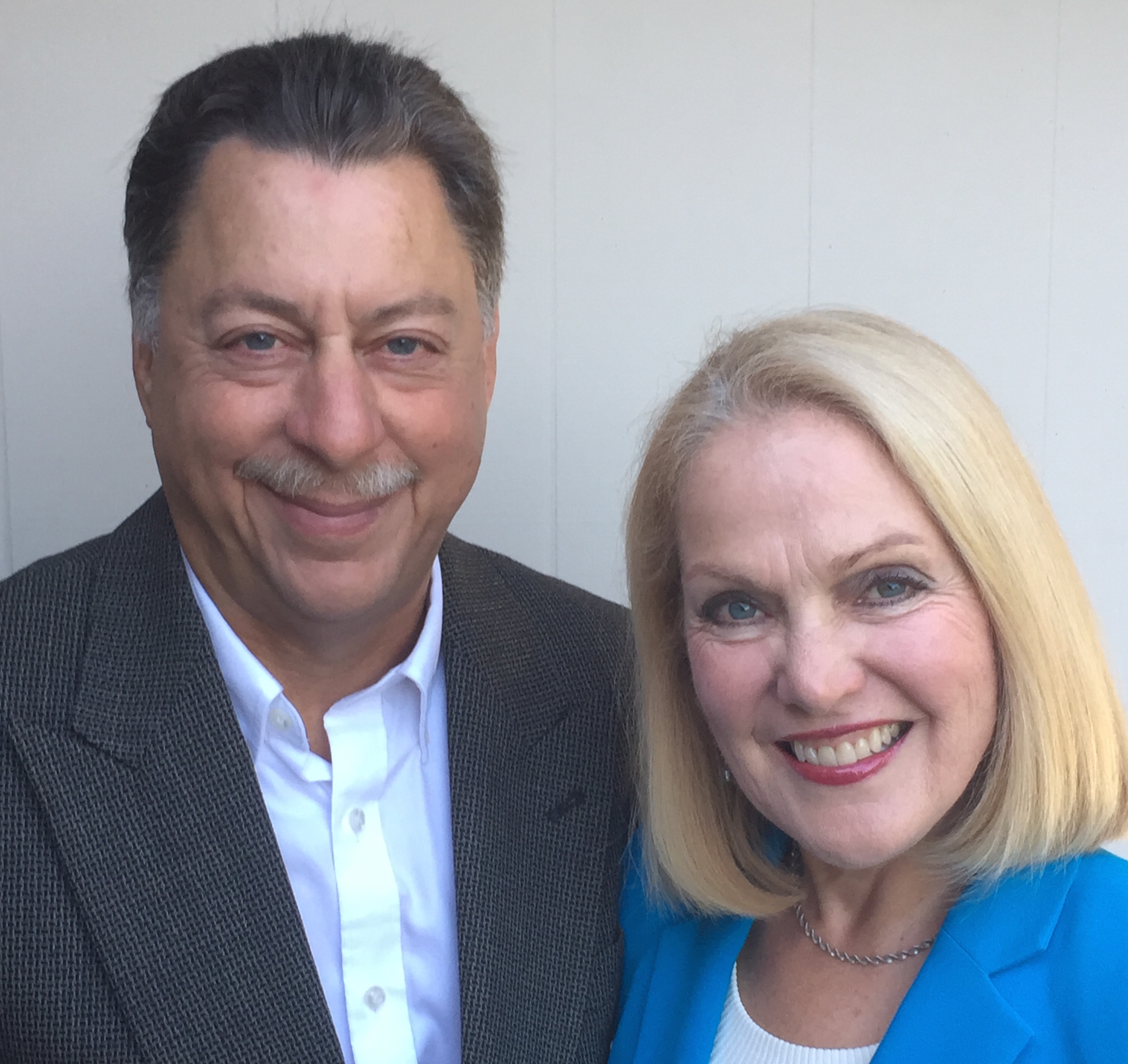
Dr. Mikol Davis and Carolyn Rosenblatt, co-founders of AgingInvestor.com
Carolyn Rosenblatt, RN, Elder Law Attorney offers a wealth of experience with aging to help you create tools so you can skillfully manage your aging clients. You will understand your rights and theirs so you can stay safe and keep them safe too.
Dr. Mikol Davis, Psychologist, Gerontologist offers in depth of knowledge about diminished financial capacity in older adults to help you strategize best practices so you can protect your vulnerable aging clients.
They are the authors of "Succeed With Senior Clients: A Financial Advisors Guide To Best Practice," and "Hidden Truths About Retirement And Long Term Care," available at AgingInvestor.com offers accredited cutting edge on-line continuing education courses for financial professionals wanting to expand their expertise in best practices for their aging clients. To learn more about our courses click HERE
|

Sep 14, 2017 | aging, aging investor, cost of aging, custodial care, elder investor, elderly, finances for elders, financial advisors, nursing home, senior investor, seniors finances, wealth transfer
You're trying to help the sixty-something clients plan for what they can anticipate spending for medical care in the future. You tell them about the average amounts a couple retiring at age 65 will need. The language seems fuzzy. Are you, the advisor, completely clear about what the term means when you say "out of pocket medical costs"?
That which is "medical" and what is paid by Medicare does not seem to be clear to many financial professionals we've interviewed. If you want to help your clients plan adequately for retirement, here are some critical points you need to make with them.
Medicare never paid for what it calls "custodial care". This is not medical care by Medicare's definition. It did not cover it in the past and it does not pay for it now. There is a distinct and very important difference between what it covers and what most people need over the long run in their retirement years. If your idea of "out of pocket medical costs" is hazy, let's clear it up right now. This is a list of things Medicare doesn't pay for, which just happen to be the most common things people need as they age. This is only a partial list.
Nursing home ("rehab") after a limited number of days. The maximum coverage depends not on how sick the client is, nor how much help they really need due to such disabling conditions as a stroke, nor how they feel. It depends solely on what the nursing home administration decides about whether they are continuing to make the right kind of progress. That progress must require skilled care which can be nursing, physical, speech or occupational therapy. There may be 100 days available for coverage, but this does not mean that all of it will be covered or that the person will get that much in the rehab facility. If it is decided that there is not enough progress, the person's care is termed "custodial" and they are cut off from Medicare.
Home Care. Millions of people who are released from a nursing home after surgery, an emergency or a fall, for example, need help at home either short term or long term. Medical events change us and can rob us of complete independence. There is a false belief around that Medicare will cover what you need if you have to have home care. This is true only for a very short time and only if skilled, licensed nurses or therapists are needed at home. Most of the time, a person is cut off from help when leaving a facility and has to pay for home care out of pocket. The national average hourly rate is $20, which can eat up one's assets quickly in a fairly short time frame.
Help at home to stay out of a care facility. A lot of folks think they'll live to be 100 years of age. No one discusses with them what it would mean to live that long without being completely independent. Help costs money. Many people assume that family or someone will take care of them if care is needed. But not everyone is willing to or capable to undertake what is often a serious burden. Even when family does take on caregiving, they need a break, and relief. Then help from outside must be hired. Without constant help many older people would have to be in a care facility. Does it make sense that when assets are largely all spent, Medicaid will pay for a nursing home but Medicaid will not pay for preventing the need for a nursing home, a far more economical alternative? Of course not, but that's how it works.
The Takeaways
Fully two thirds of us will need long term care at some point in our lives. Unless the client is the rare one with long term care insurance, there is no way to pay for long term care other than to do so out of pocket. Sometimes this depletes all the client's assets and leaves them with no choices in the last part of their lives. For those who live into their 90s and beyond, the need for some kind of long term care by family or a facility seems almost inevitable. Your clients need to stop pretending that it's not going to happen to them, and you, the professional must steer them in the direction of saving and anticipating this need as much as you can. They will resist! Keep trying. Educate yourself first. You can get all the facts and figures you need to have a wise conversation with your older clients in our new book, Hidden Truths About Retirement & Long Term Care. Get your copy now and start adding value to those retirement discussions with your clients.
Click HERE to order.
By Carolyn Rosenblatt, RN, Elder law attorney, AgingInvestor.com
|
|
Dr. Mikol Davis and Carolyn Rosenblatt, co-founders of AgingInvestor.com
Carolyn Rosenblatt, RN, Elder Law Attorney offers a wealth of experience with aging to help you create tools so you can skillfully manage your aging clients. You will understand your rights and theirs so you can stay safe and keep them safe too.
Dr. Mikol Davis, Psychologist, Gerontologist offers in depth of knowledge about diminished financial capacity in older adults to help you strategize best practices so you can protect your vulnerable aging clients.
They are the authors of "Succeed With Senior Clients: A Financial Advisors Guide To Best Practice," and "Hidden Truths About Retirement And Long Term Care," available at AgingInvestor.com offers accredited cutting edge on-line continuing education courses for financial professionals wanting to expand their expertise in best practices for their aging clients. To learn more about our courses click HERE
|

Sep 13, 2017 | aging, aging investor, cost of long term care, finances for elders, financial advisors, senior investor
Most financial professionals see themselves doing fine in helping their clients plan ahead for retirement. And their clients are probably in for a nasty surprise no one is talking about. The professionals have done the calculations, used the algorithms, had the conversations about their clients' goals. You may have forgotten something. Are you missing the elephant in the room: long term care?
At least a third of your clients are going to need it at some point. We're not talking about nursing home care here. We're talking about all the other out of pocket costs clients are not considering but that they will likely need as they age. Think about longevity today. Both men and women will probably live into their 80s at least. How many 85 year olds do you know who do not need any sort of help with anything in their lives? Not many, we'll bet.
As the body ages, it is harder to see, hear, get around physically, drive, and manage households and finances. Help with all of those things is actually an out of pocket cost we consider to be long term care. Medicare calls it "custodial care". That means all the kinds of support an aging person needs to stay out of a nursing home. The actual cost of a nursing home is another discussion altogether. When we talk about custodial care here we mean help with bathing, dressing, walking, eating, getting to the bathroom and getting out of bed onto a chair and back. These are called "activities of daily living" or ADLs. We are also talking about help with shopping, cooking, paying bills, cleaning the house and doing laundry. These are called "instrumental activities of daily living" or IADLs.
Your clients don't want to think about needing help. In this country, we insist on believing that we will always be independent--it's embedded in our culture and myths about aging. But those myths are not true. Independence declines with age for most of us. And help is expensive.
Consider that the averages you hear about do not address this at all when it comes to retirement planning. "The average couple age 65 will spend (fill in the blank here, anywhere from $265,000 to $400,000) on out of pocket medical expenses." OK. Custodial care is NOT medical care. Medicare does not cover it. Health insurance, including Medigap coverage does not pay for it. Who then does? Some long term care insurance policies cover some of it, with restrictions. Otherwise, it's all an out of pocket non-medical cost your client will have to cover. Imagine the costs when you calculate the "burn rate" of their retirement funds. Didn't factor that in? It's time for a second look at the plan.
if you have no idea how to calculate this or what your client's chances are for needing to pay for any kind of long term care, you can learn the basics and the costs in our newest book. Get the facts quickly that will help you in Hidden Truths About Retirement and Long Term Care: The Financial Advisors' Guide. Order your copy by clicking HERE.

|
|
Dr. Mikol Davis and Carolyn Rosenblatt, co-founders of AgingInvestor.com
Carolyn Rosenblatt, RN, Elder Law Attorney offers a wealth of experience with aging to help you create tools so you can skillfully manage your aging clients. You will understand your rights and theirs so you can stay safe and keep them safe too.
Dr. Mikol Davis, Psychologist, Gerontologist offers in depth of knowledge about diminished financial capacity in older adults to help you strategize best practices so you can protect your vulnerable aging clients.
They are the authors of "Succeed With Senior Clients: A Financial Advisors Guide To Best Practice," and "Hidden Truths About Retirement And Long Term Care," available at AgingInvestor.com offers accredited cutting edge on-line continuing education courses for financial professionals wanting to expand their expertise in best practices for their aging clients. To learn more about our courses click HERE
|

Apr 17, 2017 | aging, declining health, elderly, financial capacity, financial judgement, handling money for aging parents, health, resources for senior, resources for seniors, Uncategorized
What To Do When Your Aging Client's Health Is Failing
Financial professionals can find themselves in an uncomfortable position when they have a long time aging client who is in declining health. Of course, you know the client and can see that she's struggling with a lot of issues. You may want to do something but this stuff is just not in your wheelhouse. Longevity is great but not when you start to lose the ability to manage on your own. What are you supposed to do for these clients?
You're trained to understand economics, taxes, financial products, planning. But you're not trained to direct aging people to whatever resources they may need as they get older. If they have family, you may expect family to step up, but you see that it may not be happening. Should you call them? Do you even know them? Do you have your client's permission? And what if they don't have family? That's even worse. Here they are getting frail and more vulnerable by the day and you are just watching helplessly.
It doesn't have to be that way. You can get acquainted with some basic resources in your area and the areas where your clients live. Maybe they never figured they'd live so long as to actually need help. When they do, you can be a starting point to help them find what's out there.
Let's imagine you have an aging client who is having trouble getting around and she needs some help with chores at home. She tells you about it when you ask her how things are going. She is shy to ask for help and reluctant to admit that it's harder and harder to live alone. You don't know what to say. Or do you?
One source of help everyone should know about is the Area Agency on Aging. These Federally funded programs connect elders to appropriate community organizations and places to get assistance. Their mission is to help older adults and people with disabilities live with dignity and choices in their homes and communities for as long as possible.
AAAs contract with local service providers to deliver many direct services, such as meals, transportation and in-home services. However, most agencies are direct providers of Information and Referral/Assistance, case management, benefits/health insurance counseling and family caregiver support programs.
Some are incorporated into a county's health and human services departments. Some are separate. Large states have many AAAs. Smaller less populated states have fewer of them.
One thing you can do now to be ready to assist your own client who may demonstrate a need is to research where the nearest Area Agency on Aging is in your client's community, download a brochure or information package and let your client know it's there. If he needs help at home, transportation services, vetted information about local service providers, an AAA is a great place to start.
This whole aging client issue can be a reflection of things you have experienced in your own family. Perhaps you have an aging parent or ill grandparent. Another problem solving source of information is our book the Family Guide to Aging Parents: Answers to Your Legal, Healthcare and Financial Questions
. Learn what's in it here. It can get you more comfortable with those difficult conversations.
Carolyn Rosenblatt, RN, Elder law attorney
AgingInvestor.com and AgingParents.com