


Warn Your Clients About This Fake U.S. Marshal Scam

Warn Your Clients About This Fake U.S. Marshal Scam

The Federal Trade Commission makes every effort to warn consumers about the latest scams and the information is important. However, your investors are not likely to spend time browsing through the FTC website for scams. We at AgingInvestor.com are passing on a warning for you to share with your clients. We want them to love you for how much you take care of them. When they get a friendly letter or email from you, that shows you're paying attention to them.

Let them know about the fake U.S. Marshal scam. Here's how it works:

The scammers get phone numbers from lists of potential targets. It is no secret that telephone numbers of seniors, in particular, are bought and sold by unscrupulous people. This scam is not limited to elders, but they are especially vulnerable, having been raised to generally respect authority. The scammer has a fake phone ID and number and perhaps even a real badge number stolen from the Marshal's office. So your client might have caller ID and see "U.S. Marshal" on it. It's intended to scare them. It works.

The caller says the target is delinquent in reporting for jury duty and there is a fine due immediately which must be paid. The caller threatens that the Marshal will arrest the target if he or she does not pay immediately. Of course, there is no such consequence for failing to report for jury duty and there was no summons for Federal jury service the target ever got. Never mind that, the target reacts out of fear.

When we react out of fear, we're not logical. Why would a U.S. Marshal insist that anyone buy a pre-paid gift card for cash or wire money? That never happens. This may sound very obviously phony to you, but your aging client can be fooled by it. Perhaps the client is a bit forgetful and is terrified that he forgot about a jury summons. Or she thinks she is about to be taken away and she complies, feeling she has no choice but going to jail.

The takeaway is this. Please send a communication to all your clients that warns them of this scam and advises that you are looking out for their financial safety. You need to tell them:

  1. Don't ever wire money or buy a prepaid card for anyone who contacts you by phone making threats, no matter who they say they are.
  2. Thieves get phony caller ID and can look real but they are not.
  3. Never give out any personal information such as your address, date of birth, your credit card number, your social security number or any other private data to a caller. If you call a company on your own and need to give this information that's different. If anyone calls you and asks for it, hang up.

Your client can report attempts made by scammers to the Federal Trade Commission online. However, these thieves are hard to catch. They change states and phone numbers faster than law enforcement can track them. Finally, do not, as a financial advisor, assume that your smart, educated or savvy clients would never fall for these phony calls. Over $36B is stolen from elders every year in this country. Even the smartest people can be caught off guard. Warning everyone is a small thing but could save one of your clients from painful loss and ID theft.

We have form letters you can use, YouTube videos and lots of other tips to help you help the older clients in your book. Check us out at AgingInvestor.com.


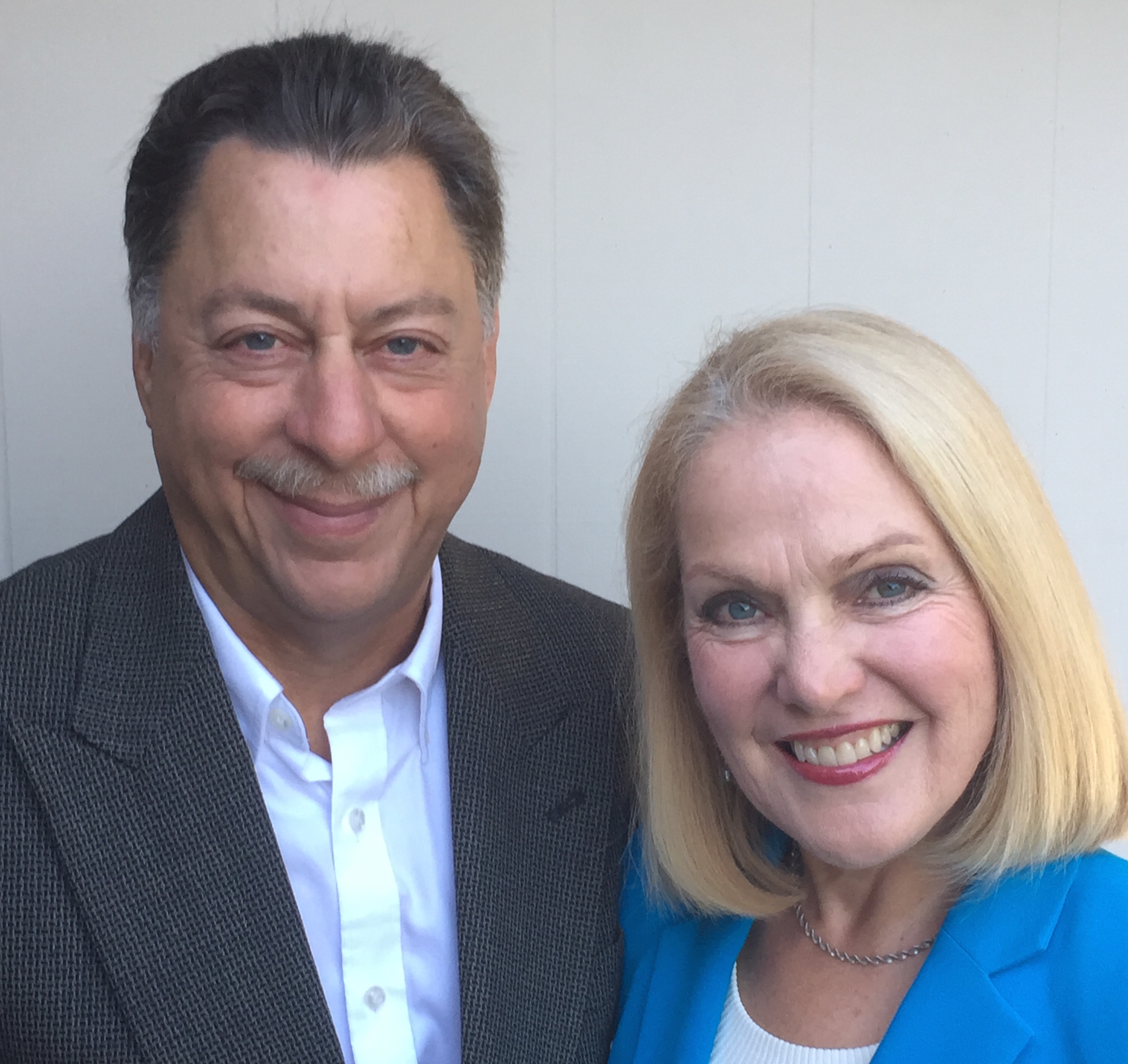
Dr. Mikol Davis and Carolyn Rosenblatt, co-founders of AgingInvestor.com

Carolyn Rosenblatt, RN, Elder Law Attorney offers a wealth of experience with aging to help you create tools so you can skillfully manage your aging clients. You will understand your rights and theirs so you can stay safe and keep them safe too.

Dr. Mikol Davis, Psychologist, Gerontologist offers in depth of knowledge about diminished financial capacity in older adults to help you strategize best practices so you can protect your vulnerable aging clients.

They are the authors of "Succeed With Senior Clients: A Financial Advisors Guide To Best Practice," and "Hidden Truths About Retirement And Long Term Care," available at AgingInvestor.com offers accredited cutting edge on-line continuing education courses for financial professionals wanting to expand their expertise in best practices for their aging clients. To learn more about our courses click HERE

Should You Encourage Your Client To Use A Professional Fiduciary?

Should You Encourage Your Client To Use A Professional Fiduciary?

Some of your older clients do not have family or they have no family they trust. Some know that their adult kids don't get along and if both are on the estate documents, fights will be inevitable. You worry that as they age, some clients are going to need help with finances and their trust management and they shouldn't count on family. When a client names one's best friend to serve in the role of successor trustee may sound fine when they're 50 years old but it's not so fine when they're 90.

The successor trustee of your client's estate can do a lot of good or harm when he or she takes on that role. The person appointed to be the agent of a durable power of attorney is also in a position of tremendous power. Who should serve in that capacity? Should it be family or a professional outside the family?

Most often, your client appoints adult children or trusted people in their lives for this job. The danger arises when the adult child appears to be motivated to steal money or manipulate the elder into giving or loaning it to him. If it is a best friend, and both are aging, there is no assurance that the friend will survive long enough to help when needed or be competent to do so.

I once had a widowed client, living alone, no family in the U.S. who had appointed her best friend to be her successor trustee. I asked my 89-year-old client about the friend. "She lives right down the street", my client told me. When I asked how old the friend was, she told me "88. She's really sharp though, even though her vision is going". I suggested she find a licensed fiduciary to take her friend's place.

This could be your client. Time to step in and get the client to change that original, now unrealistic plan.

When you, the financial advisor see situations with clients in your book who are aging, and you know they will need someone trustworthy to help them with managing their estate and finances, you need to act. Here are some basics every advisor should know and do.

1. Get to know your client's estate planning attorney, with written permission to communicate with her from your client. That is simple. Ask whether the estate plan is updated. Find out if the successor trustee is reliable, or in financial difficulty with potential motivation to steal. Team up and work together. If there is no estate planning attorney, give your clients some names of reliable lawyers you know and encourage making an appointment right away.

2. Ask your client about their appointed agents on both the family trust and any power of attorney document. Invite them to a meeting. Discuss the future for your client with the agent(s), particularly long-term care issues, budget and resources the successor might have to manage over your client's lifespan.

3. Know reputable professional fiduciaries in your area and keep their contact information handy so you can refer your client to a list of them. Fiduciaries are not all created equal. Some are very helpful and can protect a vulnerable client from financial harm. Others are just not competent to do the job and shouldn't be in it. Choose and vet your list carefully.

To understand more about best ways to manage aging clients and keep them financially safer, check out our book, Succeed With Senior Clients: A Financial Advisor's Guide to Best Practices.  It's a great start. And you can get up to 10 hours of CE credit for reading it! Get yours here.
 

Dr. Mikol Davis and Carolyn Rosenblatt, co-founders of AgingInvestor.com

Carolyn Rosenblatt, RN, Elder Law Attorney offers a wealth of experience with aging to help you create tools so you can skillfully manage your aging clients. You will understand your rights and theirs so you can stay safe and keep them safe too.

Dr. Mikol Davis, Psychologist, Gerontologist offers in depth of knowledge about diminished financial capacity in older adults to help you strategize best practices so you can protect your vulnerable aging clients.

They are the authors of "Succeed With Senior Clients: A Financial Advisors Guide To Best Practice," and "Hidden Truths About Retirement And Long Term Care," available at AgingInvestor.com offers accredited cutting edge on-line continuing education courses for financial professionals wanting to expand their expertise in best practices for their aging clients. To learn more about our courses click HERE

Do you know your clients? Watch our 1 minute video.

Do you know your clients? Watch our 1 minute video.


Dr. Mikol Davis and Carolyn Rosenblatt, co-founders of AgingInvestor.com

Carolyn Rosenblatt, RN, Elder Law Attorney offers a wealth of experience with aging to help you create tools so you can skillfully manage your aging clients. You will understand your rights and theirs so you can stay safe and keep them safe too.

Dr. Mikol Davis, Psychologist, Gerontologist offers in depth of knowledge about diminished financial capacity in older adults to help you strategize best practices so you can protect your vulnerable aging clients.

They are the authors of "Succeed With Senior Clients: A Financial Advisors Guide To Best Practice," and "Hidden Truths About Retirement And Long Term Care," available at AgingInvestor.com offers accredited cutting edge on-line continuing education courses for financial professionals wanting to expand their expertise in best practices for their aging clients. To learn more about our courses click HERE

Three Things You Need To Know About “Out Of Pocket Medical Costs” In Retirement

Three Things You Need To Know About “Out Of Pocket Medical Costs” In Retirement

You're trying to help the sixty-something clients plan for what they can anticipate spending for medical care in the future. You tell them about the average amounts a couple retiring at age 65 will need. The language seems fuzzy. Are you, the advisor, completely clear about what the term means when you say "out of pocket medical costs"?

That which is "medical" and what is paid by Medicare does not seem to be clear to many financial professionals we've interviewed. If you want to help your clients plan adequately for retirement, here are some critical points you need to make with them.

Medicare never paid for what it calls "custodial care". This is not medical care by Medicare's definition. It did not cover it in the past and it does not pay for it now. There is a distinct and very important difference between what it covers and what most people need over the long run in their retirement years. If your idea of "out of pocket medical costs" is hazy, let's clear it up right now. This is a list of things Medicare doesn't pay for, which just happen to be the most common things people need as they age. This is only a partial list.

 Nursing home ("rehab") after a limited number of days. The maximum coverage depends not on how sick the client is, nor how much help they really need due to such disabling conditions as a stroke, nor how they feel. It depends solely on what the nursing home administration decides about whether they are continuing to make the right kind of progress. That progress must require skilled care which can be nursing, physical, speech or occupational therapy. There may be 100 days available for coverage, but this does not mean that all of it will be covered or that the person will get that much in the rehab facility. If it is decided that there is not enough progress, the person's care is termed "custodial" and they are cut off from Medicare.

Home Care. Millions of people who are released from a nursing home after surgery, an emergency or a fall, for example, need help at home either short term or long term. Medical events change us and can rob us of complete independence. There is a false belief around that Medicare will cover what you need if you have to have home care. This is true only for a very short time and only if skilled, licensed nurses or therapists are needed at home. Most of the time, a person is cut off from help when leaving a facility and has to pay for home care out of pocket. The national average hourly rate is $20, which can eat up one's assets quickly in a fairly short time frame.

Help at home to stay out of a care facility. A lot of folks think they'll live to be 100 years of age. No one discusses with them what it would mean to live that long without being completely independent. Help costs money. Many people assume that family or someone will take care of them if care is needed. But not everyone is willing to or capable to undertake what is often a serious burden. Even when family does take on caregiving, they need a break, and relief. Then help from outside must be hired. Without constant help many older people would have to be in a care facility. Does it make sense that when assets are largely all spent, Medicaid will pay for a nursing home but Medicaid will not pay for preventing the need for a nursing home, a far more economical alternative? Of course not, but that's how it works.

The Takeaways

Fully two thirds of us will need long term care at some point in our lives. Unless the client is the rare one with long term care insurance, there is no way to pay for long term care other than to do so out of pocket. Sometimes this depletes all the client's assets and leaves them with no choices in the last part of their lives. For those who live into their 90s and beyond, the need for some kind of long term care by family or a facility seems almost inevitable. Your clients need to stop pretending that it's not going to happen to them, and you, the professional must steer them in the direction of saving and anticipating this need as much as you can. They will resist! Keep trying. Educate yourself first. You can get all the facts and figures you need to have a wise conversation with your older clients in our new book, Hidden Truths About Retirement & Long Term Care. Get your copy now and start adding value to those retirement discussions with your clients.

Click HERE to order.

By Carolyn Rosenblatt, RN, Elder law attorney, AgingInvestor.com


Dr. Mikol Davis and Carolyn Rosenblatt, co-founders of AgingInvestor.com

Carolyn Rosenblatt, RN, Elder Law Attorney offers a wealth of experience with aging to help you create tools so you can skillfully manage your aging clients. You will understand your rights and theirs so you can stay safe and keep them safe too.

Dr. Mikol Davis, Psychologist, Gerontologist offers in depth of knowledge about diminished financial capacity in older adults to help you strategize best practices so you can protect your vulnerable aging clients.

They are the authors of "Succeed With Senior Clients: A Financial Advisors Guide To Best Practice," and "Hidden Truths About Retirement And Long Term Care," available at AgingInvestor.com offers accredited cutting edge on-line continuing education courses for financial professionals wanting to expand their expertise in best practices for their aging clients. To learn more about our courses click HERE