
Should You Encourage Your Client To Use A Professional Fiduciary?

Should You Encourage Your Client To Use A Professional Fiduciary?

Some of your older clients do not have family or they have no family they trust. Some know that their adult kids don't get along and if both are on the estate documents, fights will be inevitable. You worry that as they age, some clients are going to need help with finances and their trust management and they shouldn't count on family. When a client names one's best friend to serve in the role of successor trustee may sound fine when they're 50 years old but it's not so fine when they're 90.

The successor trustee of your client's estate can do a lot of good or harm when he or she takes on that role. The person appointed to be the agent of a durable power of attorney is also in a position of tremendous power. Who should serve in that capacity? Should it be family or a professional outside the family?

Most often, your client appoints adult children or trusted people in their lives for this job. The danger arises when the adult child appears to be motivated to steal money or manipulate the elder into giving or loaning it to him. If it is a best friend, and both are aging, there is no assurance that the friend will survive long enough to help when needed or be competent to do so.

I once had a widowed client, living alone, no family in the U.S. who had appointed her best friend to be her successor trustee. I asked my 89-year-old client about the friend. "She lives right down the street", my client told me. When I asked how old the friend was, she told me "88. She's really sharp though, even though her vision is going". I suggested she find a licensed fiduciary to take her friend's place.

This could be your client. Time to step in and get the client to change that original, now unrealistic plan.

When you, the financial advisor see situations with clients in your book who are aging, and you know they will need someone trustworthy to help them with managing their estate and finances, you need to act. Here are some basics every advisor should know and do.

1. Get to know your client's estate planning attorney, with written permission to communicate with her from your client. That is simple. Ask whether the estate plan is updated. Find out if the successor trustee is reliable, or in financial difficulty with potential motivation to steal. Team up and work together. If there is no estate planning attorney, give your clients some names of reliable lawyers you know and encourage making an appointment right away.

2. Ask your client about their appointed agents on both the family trust and any power of attorney document. Invite them to a meeting. Discuss the future for your client with the agent(s), particularly long-term care issues, budget and resources the successor might have to manage over your client's lifespan.

3. Know reputable professional fiduciaries in your area and keep their contact information handy so you can refer your client to a list of them. Fiduciaries are not all created equal. Some are very helpful and can protect a vulnerable client from financial harm. Others are just not competent to do the job and shouldn't be in it. Choose and vet your list carefully.

To understand more about best ways to manage aging clients and keep them financially safer, check out our book, Succeed With Senior Clients: A Financial Advisor's Guide to Best Practices.  It's a great start. And you can get up to 10 hours of CE credit for reading it! Get yours here.
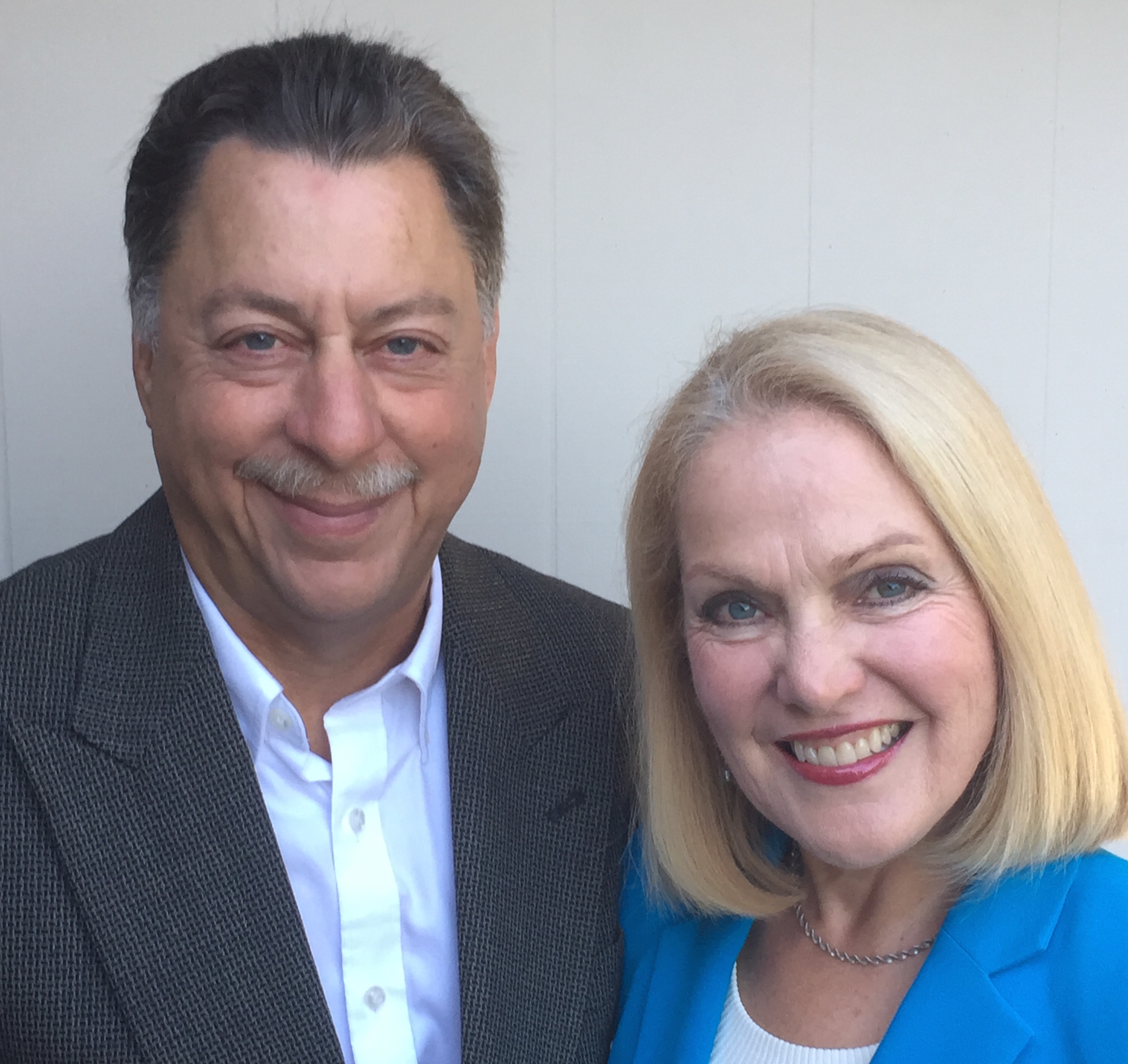
 

Dr. Mikol Davis and Carolyn Rosenblatt, co-founders of AgingInvestor.com

Carolyn Rosenblatt, RN, Elder Law Attorney offers a wealth of experience with aging to help you create tools so you can skillfully manage your aging clients. You will understand your rights and theirs so you can stay safe and keep them safe too.

Dr. Mikol Davis, Psychologist, Gerontologist offers in depth of knowledge about diminished financial capacity in older adults to help you strategize best practices so you can protect your vulnerable aging clients.

They are the authors of "Succeed With Senior Clients: A Financial Advisors Guide To Best Practice," and "Hidden Truths About Retirement And Long Term Care," available at AgingInvestor.com offers accredited cutting edge on-line continuing education courses for financial professionals wanting to expand their expertise in best practices for their aging clients. To learn more about our courses click HERE

Know The Pros and Cons Of Assisted Living For Your Older Clients

Know The Pros and Cons Of Assisted Living For Your Older Clients

Mostly at the urging of their adult children, many seniors choose to move to senior communities where some help is available. These are usually called Assisted Living facilities (AL). When it is too difficult to keep up the family home or an elderly client of yours becomes too isolated after the loss of a spouse, AL can be a good choice.

No doubt you, the financial advisor have helped them consider the expense and the consequences or benefits of selling the family home. And they likely would not move if they could not afford the monthly cost of being in AL. However, there are things every advisor should know about AL so you can properly advise your clients.

The marketing departments of these homes can be very aggressive about promoting the benefits of AL. Indeed may of them are well appointed and have numerous convenient amenities. What they don't tell you are the hidden disadvantages. Having interfaced with many of these facilities in our work at AgingParents.com and AgingInvestor.com as consultants to families, we want you to be fully informed of what they can and can't do.

First, AL homes are not nursing homes, and they do not provide nursing or health care. If there is a nurse on staff at all, which is not required of any of them, the nurse is there to evaluate residents' suitability, hear resident concerns, consult with staff and make referrals. It is not to provide direct care, even in an emergency. The nurse in such a facility, seeing an emergency, will call 911, just as any layperson might do.

These homes are not licensed to offer health care. Assistance with things like bathing, dressing, walking, bathroom, eating and getting in and out of bed are the limit of the help they can provide.

Next, these homes do not provide full staffing at night. If your client is forgetful or wanders around at night and her family shares this with you, AL may not be the best choice. Some people hire additional help privately to watch their loved ones in AL more closely, especially at night and this arrangement can work well. However, it is a significant additional expense and must be paid on top of the regular monthly charges of assisted living. We know of one resident whose family was spending $12,000 a month for the combination of AL and outside supplemental caregiving.

Finally, any home whether it is AL or any other place where care is delivered should be held accountable for the safety of your client who may become a resident there. No one is going to check on your aging client every hour in AL. Falls can happen anywhere, including a so-called "supervised environment". The concept of AL was originally meant to give all levels of care but today that is not the case. The law requires separate licensing of any unit or facility that offers skilled nursing. Even when it is given on the same campus as AL, skilled nursing facilities are a separate entity from AL.

If you are talking to any client about the possibility of AL, be sure that your client is educated and that the family does not have unrealistic expectations of AL. The expense of these places is one consideration. The overall plan for the future of taking care of a client's needs is another. Help your client be a wise consumer.


Dr. Mikol Davis and Carolyn Rosenblatt, co-founders of AgingInvestor.com

Carolyn Rosenblatt, RN, Elder Law Attorney offers a wealth of experience with aging to help you create tools so you can skillfully manage your aging clients. You will understand your rights and theirs so you can stay safe and keep them safe too.

Dr. Mikol Davis, Psychologist, Gerontologist offers in depth of knowledge about diminished financial capacity in older adults to help you strategize best practices so you can protect your vulnerable aging clients.

They are the authors of "Succeed With Senior Clients: A Financial Advisors Guide To Best Practice," and "Hidden Truths About Retirement And Long Term Care," available at AgingInvestor.com offers accredited cutting edge on-line continuing education courses for financial professionals wanting to expand their expertise in best practices for their aging clients. To learn more about our courses click HERE

Smart Retiree’s 10 Point Checklist

Smart Retiree’s 10 Point Checklist

You're in the planning business. You look ahead, analyze, budget and calculate. But your clients may not be on the same page in your view of the future, especially when they retire. They are busy being in denial that they may ever get ill and die. You can help them. In doing so, it may also make your job of talking about such issues as long-term care, budgeting and spending easier.

Many of us in this society have a very negative image about aging in general. We don't want to be "old". It is fueled by advertising on TV, movies, print media and other outlets with a consistent message: aging is bad, being younger and turning back the clock is good. We are a work ethic driven culture. When we are older and no longer "productive" we are generally seen as less valuable.

Then there is the fear and denial about dying and death. Our culture has been called the only one in the world that thinks of death as something optional. Note how we talk about it to family--"in case anything ever happens to me..." Besides it being a fantasy that maybe "something" won't happen to us, it keeps us from planning, from preparing our loved ones and from being responsible about our older years, possible declining health and the burden ignoring these things can put on our families. Reaching retirement age is a time to do planning about more than money.

Most people do not want to burden their loved ones. Most of them do not want to trouble adult children unnecessarily as they age. That is your best selling point for bringing up some important personal matters. These include how every senior and every retiree needs to plan for things in their own lives that go beyond how much money they've saved and how it will be spent having a great retirement. Has your client signed a Durable Power of Attorney document? Given the family all they would need in an emergency? Talked about who should keep the records and stored information all the heirs would need if your client becomes impaired? These are not about money particularly. These subjects are about responsibility and life cycle.

Here at AgingInvestor.com we see the messes people leave behind when they nurture the Great American Fantasy that losing independence won't happen to them and that they will live happily to age 100 and die peacefully in their sleep. Family members can spend years cleaning up the disaster their older loved ones leave because of failure to plan and simply provide access to information. It is truly not fair to anyone. It leads to anger, resentment, family conflicts and sometimes to loss of wealth through ignorance. We've heard it and seen it countless times.

To empower every retiree, we put a retiree's checklist together to help people avoid these disasters created by the fantasy. We want you to help them use it.

How can you do this?

You can give your clients this checklist next time you sit with them and review the portfolio. You can gently urge them to do what the list says is needed. We've broken down the essentials into 10 points, a "to do" list if you will. You can encourage them to take care of the items on the list, if they haven't already. In general, the to do list includes updating the estate plan, having critical documents in the right hands, providing necessary financial, computer and account information to trusted family and having a family meeting to educate one's heirs about the older person's affairs. This is how your client gets a family ready. This is how they avoid unduly burdening anyone. This is how they free their loved ones from distress and unnecessary work when they have to take action as an aging parent declines and passes away.

Some of your clients will brush off your suggestion. They love that Great American Fantasy and aren't about to give it up. Others will thank you as they have thanked us and will go forward. Their families will be forever grateful. You'll look like the caring, smart and responsible planner that you are. Get your free Smart Retiree's 10 Point Checklist now by clicking here.


By Carolyn Rosenblatt, RN, Elder Law Attorney, & Dr. Mikol Davis, Gerontologist co-founder of AgingInvestor.com

A Lurking Danger You Need To Warn Your Clients About

A Lurking Danger You Need To Warn Your Clients About

A Lurking Danger You Need To Warn Your Clients About

There is nothing wrong with putting on a dinner or lunch for prospects while you give them a pitch about a product you like. But unfortunately, a free meal brings people out, especially older folks and they become sales targets for unscrupulous people. FINRA, in seeing how these seminars are too often a vehicle for fraud and exaggeration preying on unsuspecting elders, has issued a warning to seniors. You can be the messenger to provide a heads-up for your own clients about this.

Too many unethical people are using the setting of a free lunch to sell inappropriate investments.  The annuity scams are notorious for this. And the scammers love impaired elders who are so easy to fool.

As people age, about a third of them will develop Alzheimer’s Disease. Most of the victims of this insidious disease are women.  When the earliest signs of the disease emerge, research tells us that impairment of financial judgment is already underway. The predators have no trouble talking a senior who lacks the ability to see a scam coming into buying whatever they're selling. It happens every day, not just in the free lunch seminar.

FINRA's alert for investors about “free lunch” investment seminars is specific. Your older clients might not get that alert unless it comes through you. Here’s the gist of what FINRA wants seniors to know.

The FINRA Investor Education Foundation researched people over 40 to find out how many have been solicited with offers for a free meal seminar.  64 percent of respondents had been solicited, which means that the odds are, your clients will be among them. What the research also showed was that half of the sales materials contained claims that were apparently exaggerated, misleading or otherwise unwarranted. 13 percent of these seminars appeared to involve fraud, such as unfounded projections of returns and sales of nonexistent products

Slick and unscrupulous “advisors” and sellers have been at this for years, pitching unsuitable products. They’ve stepped up their game as the population ages. They want every target they can get. An easy way to warn your clients is to give them a one-sheet Client Update we have created for you. Get yours here or by clicking below and send it out to everyone in your book of business. Some of them are older clients and some have aging parents or grandparents who need to know about this.

You'll look good by showing that you care about what happens to your clients and they'll appreciate the message.

You can improve your expertise with your older clients in a book written especially for you, Succeed With Senior Clients, A Financial Advisor's Guide to Best Practices. Get your copy by clicking here.

Carolyn Rosenblatt, RN, Elder Law Attorney, AgingInvestor.com and AgingParents.com

Great handout: client update on the Free Lunch Investment Seminar

Is Your Aging Client Being Seduced Away By Another Advisor?

Is Your Aging Client Being Seduced Away By Another Advisor?

Lots of sellers of products are trolling for new clients, new prospects and older investors with substantial assets. They use a proven technique that could trap your client.  You can educate your clients early and often about the technique, which is the “free meal educational seminar”.  These seminars are not, by themselves, a bad thing. Perhaps you’ve even put one on yourself, or considered doing so. But too many unethical people are using these to sell inappropriate investments to older people.  The annuity scams are notorious for this checker informative hints.

(more…)