
Clients Without Family: Financial Planning With “Elder Orphans”

Clients Without Family: Financial Planning With “Elder Orphans”

Clients Without Family: Financial Planning With "Elder Orphans"

Every financial advisor will eventually come across an aging client who is essentially alone in the world. The elder may be single, widowed, or otherwise without a partner. Some are members of the LGBTQ community and never had children. Others were childless, or have lost children and significant others in their long lifetimes. The end result is that the usual support systems that exist for others are not available to these clients when they may need support the most.

Some refer to these elders who are alone with no family as "elder orphans".

Heidi is an example. She has a financial advisor who has worked with her over decades. He referred her for advice, which she wanted and I visited her at home. She is 90 and lives alone in her own house, which she owns outright. She has a modest portfolio and is comfortable. She was widowed 20 years ago and she has no children, nor any relatives in the U.S. She relies on her best friend and neighbor when she needs help. This need is increasing now that her vision is impaired. When I spoke with Heidi I asked her about her one best friend. She mentioned that this neighbor is 86, but is "doing pretty well". Heidi had recently fallen twice in her home, but fortunately escaped serious injury from those falls.

Heidi has a will and a trust, power of attorney and healthcare directive. The appointed person on those documents is her cousin who lives in another country. If an emergency occurs, it is not at all clear who would be available to assist her.

This situation is a disaster waiting to happen. The risk of another fall, vision problems that will likely prevent her from driving, and the age-related risks to her friend the 86 year old who could also become disabled or unavailable are all looming. I ask if her financial advisor has discussed the future with her, possible other living arrangements, a local person for a healthcare agent and what to do when she can no longer drive. "No" she replies, "we've never gotten into that".

I urged Heidi to contact her financial advisor right away so plans could be made and her safety assured. She also needed to speak with her estate planning attorney to update her documents, ensuring that an appointed local person had authority to assist in any crisis or if Heidi loses independence. She is close to needing help now.

Think about your book of business and whether you have any "elder orphans" in it. If so, there are things any responsible advisor should address with such clients. Here are three essentials for every advisor's discussion.

  1. First, the legal documents. The advisor can get permission from the client to contact the estate planning attorney and find out what plans exist for an appointed person to step in and take over the reins when or if the client becomes impaired. a local appointee is critical. Someone has to be able to make financial decisions if the client loses the ability to make them independently.
  2. Next, alternative living arrangements. A 90 year old with impaired vision who has fallen at home may need to consider options of where to live with help available onsite. The financial advisor knows what assets are available to pay for a choice such as assisted living. The advisor should bring this up and ask the client about what he or she wants.
  3. The need for a local appointed person to be not only the advisor's trusted contact, but your client's person to reach in the event of an emergency. An appointee in another country is not going to be of immediate help. Explore other choices.

The advisor needs to expand the limits of the usual role of simply managing the money with elder clients who do not have any family. To keep you on track and aware of the special planning these aging investors need, get your free checklist of points to address at AgingInvestor.com. With it, you can be sure of what you need to cover in your planning conversations with you "elder orphan" clients. Download Your Advisor's Seven Point Checklist— Best Planning For Aging Clients With No Family now so you can excel in appropriate future planning.

Carolyn Rosenblatt, RN, Attorney, AgingInvestor.com

The DOL Fiduciary Standard & The Future: Your Client’s Heirs Are Watching You

The DOL Fiduciary Standard & The Future: Your Client’s Heirs Are Watching You

With the recent Texas Court of Appeals decision striking down the authority of the DOL to enforce its fiduciary standard, the industry remains enmeshed in its own conflict. Some firms embraced the concept of acting in a client's best interests for retirement accounts. Others fought it tooth and nail. What about your own clients if you are a broker and do not have to follow the DOL rule? Do you think no one is going to question you, your advice, or your commissions and fees?

With the amount of publicity generated in the long fight to get the rule passed in the first place, and the aftermath efforts to have it overturned, the public is more aware than ever of the need for transparency in what you recommend and in what advice you offer. Some clients may trust you and never ask a question about why you suggest a product, but don't count on that being universal. The public's perception of what you do is changing and in a sense, the cat is out of the bag.

In their marketing, firms that embraced the fiduciary standard can brag about it and when you have rejected the premise of prioritizing a client's best interest, you can't brag about it. In fact, prospects may be asking more and more often whether you are a fiduciary. What are you going to tell them?

Here at AgingInvestor.com, we educate advisors of all stripes about managing aging clients, particularly those with diminished capacity. Our associated site, AgingParents.com, is a resource for those with aging loved ones. At AgingParents.com, we advise and counsel families about watching over their aging parents' finances and we strongly encourage them to review what their elders are doing with their money. When they follow our advice, they are going to be looking at what you've done with the elder's portfolio. If you adhere to a fiduciary standard, no problem is likely. If you don't, beware. Your client's heirs are gradually assuming power over their parents' investments as their loved ones age and become less capable of financial decision making. Dementia is a frequent cause of loss of capacity. Often the adult children can take over as successor trustees or agents who are appointed as power of attorney long before the parent passes.

About 70% of women change advisors after the death of their spouses. Their adult kids will be encouraging them to find someone with a fiduciary standard. Perhaps large numbers of adult children will switch advisors before the death of the patriarch, once they scrutinize what choices you have recommended. They may even get a second opinion about your work.

This is merely a caution to any advisor who does not adopt a fiduciary standard, regardless of whether it is mandated legally. The next generation is looking at a parent's portfolio with fresh eyes and you may lose clients because of this. Keep the older clients in your book  for life and future generations by staying the course as an advocate and making decisions in their best interest, always.

<a href="https://agingparents.lpages.co/leadbox/14351a433f72a2%3A160053496b46dc/5696133603000320/" target="_blank" style="background: rgb(50, 100, 163); color: rgb(255, 255, 255); text-decoration: none; font-family: Helvetica, Arial, sans-serif; font-weight: bold; font-size: 16px; line-height: 20px; padding: 10px; display: inline-block; max-width: 300px; border-radius: 20px; text-shadow: rgba(0, 0, 0, 0.25) 0px -1px 1px; box-shadow: rgba(255, 255, 255, 0.5) 0px 5px 3px inset, rgba(0, 0, 0, 0.5) 0px 5px 3px;">10 Hidden Truths of Retirement and Long Term Care - Checklist</a><script data-leadbox="14351a433f72a2:160053496b46dc" data-url="https://agingparents.lpages.co/leadbox/14351a433f72a2%3A160053496b46dc/5696133603000320/" data-config="%7B%7D" type="text/javascript" src="https://agingparents.lpages.co/leadbox-1522784019.js"></script>

Warn Your Clients About This Fake U.S. Marshal Scam

Warn Your Clients About This Fake U.S. Marshal Scam

The Federal Trade Commission makes every effort to warn consumers about the latest scams and the information is important. However, your investors are not likely to spend time browsing through the FTC website for scams. We at AgingInvestor.com are passing on a warning for you to share with your clients. We want them to love you for how much you take care of them. When they get a friendly letter or email from you, that shows you're paying attention to them.

Let them know about the fake U.S. Marshal scam. Here's how it works:

The scammers get phone numbers from lists of potential targets. It is no secret that telephone numbers of seniors, in particular, are bought and sold by unscrupulous people. This scam is not limited to elders, but they are especially vulnerable, having been raised to generally respect authority. The scammer has a fake phone ID and number and perhaps even a real badge number stolen from the Marshal's office. So your client might have caller ID and see "U.S. Marshal" on it. It's intended to scare them. It works.

The caller says the target is delinquent in reporting for jury duty and there is a fine due immediately which must be paid. The caller threatens that the Marshal will arrest the target if he or she does not pay immediately. Of course, there is no such consequence for failing to report for jury duty and there was no summons for Federal jury service the target ever got. Never mind that, the target reacts out of fear.

When we react out of fear, we're not logical. Why would a U.S. Marshal insist that anyone buy a pre-paid gift card for cash or wire money? That never happens. This may sound very obviously phony to you, but your aging client can be fooled by it. Perhaps the client is a bit forgetful and is terrified that he forgot about a jury summons. Or she thinks she is about to be taken away and she complies, feeling she has no choice but going to jail.

The takeaway is this. Please send a communication to all your clients that warns them of this scam and advises that you are looking out for their financial safety. You need to tell them:

  1. Don't ever wire money or buy a prepaid card for anyone who contacts you by phone making threats, no matter who they say they are.
  2. Thieves get phony caller ID and can look real but they are not.
  3. Never give out any personal information such as your address, date of birth, your credit card number, your social security number or any other private data to a caller. If you call a company on your own and need to give this information that's different. If anyone calls you and asks for it, hang up.

Your client can report attempts made by scammers to the Federal Trade Commission online. However, these thieves are hard to catch. They change states and phone numbers faster than law enforcement can track them. Finally, do not, as a financial advisor, assume that your smart, educated or savvy clients would never fall for these phony calls. Over $36B is stolen from elders every year in this country. Even the smartest people can be caught off guard. Warning everyone is a small thing but could save one of your clients from painful loss and ID theft.

We have form letters you can use, YouTube videos and lots of other tips to help you help the older clients in your book. Check us out at AgingInvestor.com.


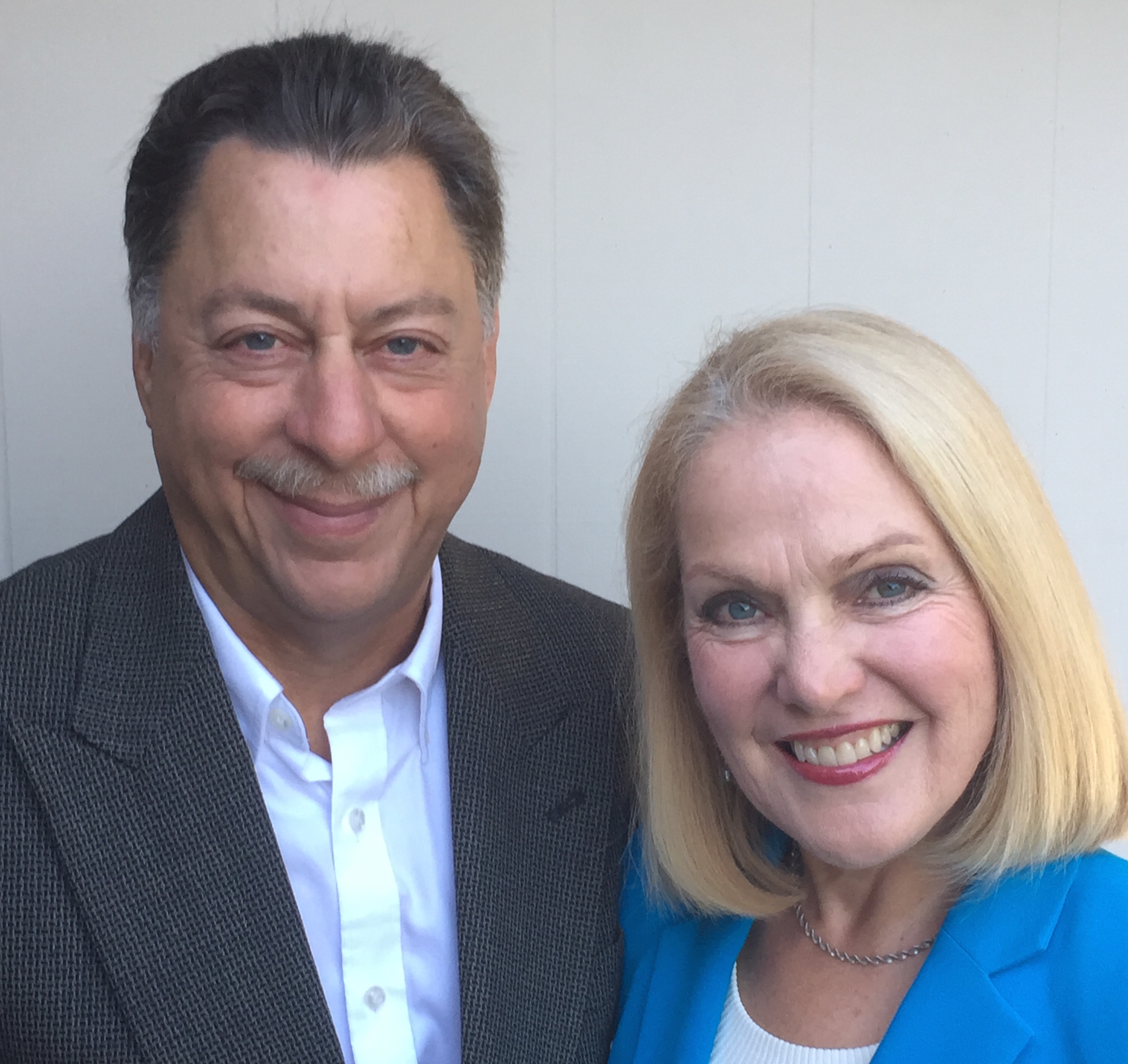
Dr. Mikol Davis and Carolyn Rosenblatt, co-founders of AgingInvestor.com

Carolyn Rosenblatt, RN, Elder Law Attorney offers a wealth of experience with aging to help you create tools so you can skillfully manage your aging clients. You will understand your rights and theirs so you can stay safe and keep them safe too.

Dr. Mikol Davis, Psychologist, Gerontologist offers in depth of knowledge about diminished financial capacity in older adults to help you strategize best practices so you can protect your vulnerable aging clients.

They are the authors of "Succeed With Senior Clients: A Financial Advisors Guide To Best Practice," and "Hidden Truths About Retirement And Long Term Care," available at AgingInvestor.com offers accredited cutting edge on-line continuing education courses for financial professionals wanting to expand their expertise in best practices for their aging clients. To learn more about our courses click HERE

Add Value By Offering Family Meetings For Aging Clients

Add Value By Offering Family Meetings For Aging Clients

Some advisors don't have any clients over age 75 and some of you have a book full of them. No matter what you have now, it is certain that if you intend to keep clients long term, you'll have elderly among them. Here is an important way to add value to what you do for them: meet with them and their intended heirs to discuss finances and aging issues.

Initiating family meetings about investments is not something most people are doing all by themselves. They need a nudge and you are the right person to give that nudge. What's the big deal? Don't underestimate the importance of family communication about their assets. Lack of trust and communication between generations causes 70% of wealth transfers to fail.

What that means is that the family wealth is lost when it gets into the hands of the first generation of heirs to follow the matriarch and patriarch. They aren't ready for and don't handle it well. You may be helping your client to build and maintain wealth but the client is not preparing his heirs to receive it. You can certainly help by offering to conduct meetings and explaining the strategy of wealth building and maintaining assets that you do.

There is more to the discussion in a family meeting than investments and the passing on of assets. There is the sometimes long, drawn-out period of an elder in failing health. Does the spouse know what to do and how much things will cost in providing long-term care to a loved one? Do the adult children know? It can get quite complicated if your client, like most people chooses to age in place at home rather than go to a facility to get needed care. Hiring, managing and supervising home care workers is no small task for anyone. You can offer factual information.

When dementia is an issue, you could be looking at a client living with it for 20 years. Each year that passes with this fatal brain disease is a year of greater dependency on others to get by. The possibility of long-term care needs discussion among family members. Starting the conversation may not be within your comfort zone but the skills of how to talk about these emotional subjects can be learned.

Most advisors proclaim that they want to add value to their services and they need to show how they are better than the competition. Have you considered that you can promote your ability and willingness to protect your client's financial safety for life as a selling point? You go way past the "successful retirement planning" line to the things that worry people about aging. You educate, collaborate, and coordinate discussions with their families and help them overcome the resistance to delving into aging issues no one likes to talk about. It is a part of your potential services you should not overlook nor avoid.

To learn some practical tips on how to conduct successful family meetings, check out our anytime on-demand online course here. It's CFP accredited, one hour, and very affordable. Join us today!


Dr. Mikol Davis and Carolyn Rosenblatt, co-founders of AgingInvestor.com

Carolyn Rosenblatt, RN, Elder Law Attorney offers a wealth of experience with aging to help you create tools so you can skillfully manage your aging clients. You will understand your rights and theirs so you can stay safe and keep them safe too.

Dr. Mikol Davis, Psychologist, Gerontologist offers in depth of knowledge about diminished financial capacity in older adults to help you strategize best practices so you can protect your vulnerable aging clients.

They are the authors of "Succeed With Senior Clients: A Financial Advisors Guide To Best Practice," and "Hidden Truths About Retirement And Long Term Care," available at AgingInvestor.com offers accredited cutting edge on-line continuing education courses for financial professionals wanting to expand their expertise in best practices for their aging clients. To learn more about our courses click HERE