Regulatory Changes Advisors Must Face With Your Aging Clients – CFP Approved Course

Regulatory Changes Advisors Must Face With Your Aging Clients – CFP Approved Course

“Regulatory Changes Advisors Must Face With Your Aging Clients”

Register NowMore Information
Summary of course:

Update on what the SEC, FINRA an NASAA have in mind for financial professionals across the country in how they do business with clients over age 65. Review of the research these agencies have done, Model Rules regulators have created and what exemplary things they found firms and organizations doing for aging clients. They all want financial professionals to be more protective of aging investors. They envision mandates for reporting financial abuse of elders will and expand mandates into other areas. This course highlights areas regulators expect advisors to address, such as training in senior issues and increased communication with aging clients. It provides specifics on how to get ready for what the regulators want so that you will not have to scramble to comply with mandates.

Learning Objectives:
  1. Understand the regulators’ concept of a “senior program” and how you can create one.
  2. Know the Model Rules about financial abuse the regulators have already publicly posted.
  3. Know what other firms across the US are doing about aging investors that you should be doing too.
  4. Know what action steps you can and should take now to be ready for mandates.

Best Practices For Managing Clients With Diminished Capacity – CFP Approved Course

Best Practices For Managing Clients With Diminished Capacity – CFP Approved Course

“Best Practices For Managing Clients With Diminished Capacity”

Register NowMore Information
Summary of course:

Our population is living longer than ever. The risk of dementia rises with age. That means that most of us are going to encounter problems of aging in our clients.

We need to recognize the red flags of impairment that will affect financial capacity.  These include:

  1. Cognitive signs, such as memory loss and difficulty understanding the conversation
  2. Communication, calculations and orientation problems
  3. Emotional signs that are out of character for your client.

It is essential for every financial professional to understand the complexity of financial capacity and appreciate how many parts it has. There are 9 domains of financial capacity.  You cannot determine if a person is impaired or not just by talking on the phone with her or having a brief meeting in which you  give information.

A normal social conversation with the client is not a measure of whether or not the client has diminished financial capacity.
The more aware you are as a professional, the better chance you have of protecting your client from loss and protecting yourself as well.
 Learning objectives:
  1. Prepare yourself for the wave of aging clients by understanding the demographics of our aging population and the risks of dementia associated with aging.
  2. Understand the 9 domains of financial capacity and learn how to spot problems with any one of them.
  3. Be able to identify red flags of impaired cognition that should prompt you to act.
  4. Develop a personal plan for what to do when you see warning signs of diminishing financial capacity

What to Do When Your Client Says “Mind Your Own Business”

What to Do When Your Client Says “Mind Your Own Business”

3 Ways To Talk With Aging Parents About Finances

One benefit of the increasing life expectancies for Americans is that more people have bonus years for enjoying the company of their aging parents.

But all is not rosy. Those extended years also boost the odds that parents could go broke or suffer from dementia and be unable to make financial decisions for themselves.

That can leave adult children perplexed about when and whether they should step in and find out what’s happening with their parents’ money, says Carolyn Rosenblatt, a registered nurse and elder law attorney.

“Unfortunately, it’s not always easy to have those conversations,” says Rosenblatt, co-author with her husband, Dr. Mikol Davis, of The Family Guide to Aging Parents (www.agingparents.com) and Succeed With Senior Clients: A Financial Advisors Guide To Best Practices.

“Some stubborn parents just refuse to talk about their money. No matter what their adult children say to them, they put it off, change the subject or tell their children it’s none of their business.”

Of course, many adult children aren’t in any particular hurry to broach the subject either, says Davis, a clinical psychologist and gerontologist.

“They have their own discomfort about it and procrastinate,” he says. “Then a crisis comes up and no one has any idea what the parents have or where to find important documents.”

But Rosenblatt and Davis say it’s critical that these conversations take place so that the offspring can gather information about such subjects as the parent’s income and expenses, where legal documents are kept, and what kind of medical or long-term-care insurance the parent might have.

The success of these conversations often comes down to how you approach the subject, Rosenblatt and Davis say. They offer a few tips:

  • End the procrastination by picking a date for the talk. Make an appointment with yourself to bring up the subject at a specific time. An opportune time to schedule this is after a birthday, a family event or a holiday where other family members are together who may share in the responsibility for the aging parents in the future.
  • Show respect. Tell your parents you understand and respect their reluctance to discuss their finances. You can even make the conversation about yourself rather than about them. Say that you’re concerned that if something went wrong, you would be completely lost as to how to help them.
  • Address their fears head-on. Let them know you understand they are worried that if they talk about their finances their independence might be taken away. You might add that you want them to maintain their independence as long as possible and you’re willing to help accomplish that, but you can’t do it without the correct information.

“Getting past an aging parent’s fear about talking about finances can be daunting,” Rosenblatt says. “But a well-planned strategy for approaching the subject will give you your best chance.”


About Carolyn Rosenblatt and Dr. Mikol Davis

Carolyn Rosenblatt and Dr. Mikol Davis are co-authors of The Family Guide to Aging Parents (www.agingparents.com) and Succeed With Senior Clients: A Financial Advisors Guide To Best Practices. Rosenblatt, a registered nurse and elder law attorney, has more than 45 years combined experience in her professions. She has been quoted in the New York Times, Wall Street Journal, Money magazine and many other publications. Davis, a clinical psychologist and gerontologist, has more than 44 years experience as a mental health provider. In addition to serving his patients, Davis creates online courses and products to assist professionals and the public with understanding aging issues. Rosenblatt and Davis have been married for 34 years.




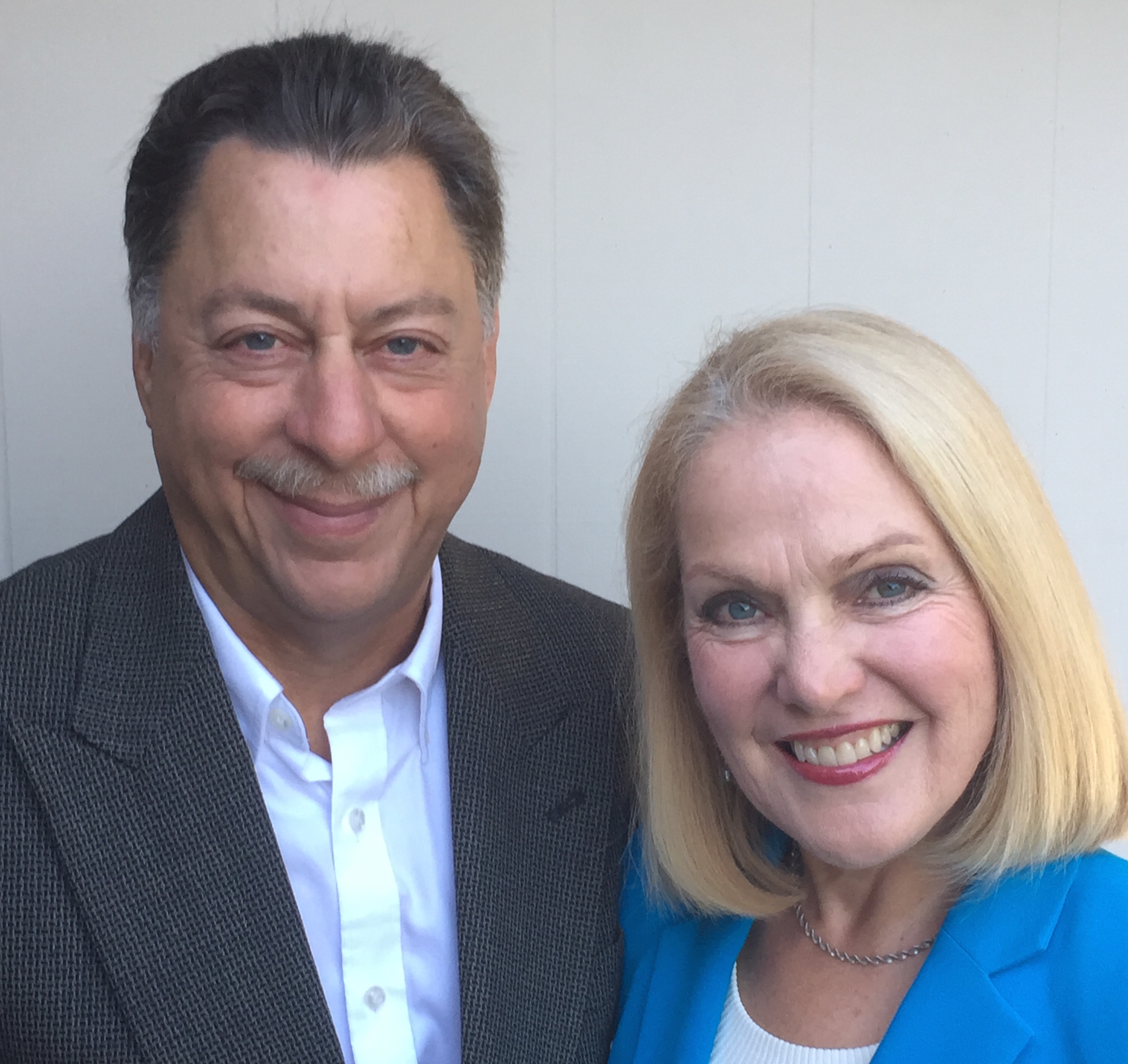
Dr. Mikol Davis and Carolyn Rosenblatt, co-founders of AgingInvestor.com

Carolyn Rosenblatt, RN, Elder Law Attorney offers a wealth of experience with aging to help you create tools so you can skillfully manage your aging clients. You will understand your rights and theirs so you can stay safe and keep them safe too.

Dr. Mikol Davis, Psychologist, Gerontologist offers in depth of knowledge about diminished financial capacity in older adults to help you strategize best practices so you can protect your vulnerable aging clients.

They are the authors of "Succeed With Senior Clients: A Financial Advisors Guide To Best Practice," and "Hidden Truths About Retirement And Long Term Care," available at AgingInvestor.com offers accredited cutting edge on-line continuing education courses for financial professionals wanting to expand their expertise in best practices for their aging clients. To learn more about our courses click HERE

A Financial Advisor Takes Advantage of 90 Year Old Alice – Watch Video

A Financial Advisor Takes Advantage of 90 Year Old Alice – Watch Video

So many professionals we talk to are worried about aging clients, those in their 80's, 90's and older. And for good reason.  Mikol's mother is now 92 and she lives independently.  She is not exactly a sophisticated investor or consumer. She is very sharp mentally, but that does not mean she could not be manipulated.  She has already been taken advantage of by one financial advisor. He got caught though.  By us. We took a quick video of Alice, and without naming any names, you can see what she has to say about what the investment this advisor put her into. Click on image to see Video.
We have a very special advantage with Alice. She is willing to let us watch over her investments and her day to day financial life.  Not only is she open to receiving this support, she generally welcomes it.  That is not an advantage every family has.  But even if your aging client or loved one is less than willing to allow those in their lives who can protect them from harm to discuss their financial business, they may be willing to make at least one concession. We recommend that you try for this, suggest it to all the aging folks in your world and take one small step in the direction of their protection.

(more…)

Why Do Our Elderly Parents Fall For Obvious Telemarketing Scams?

Why Do Our Elderly Parents Fall For Obvious Telemarketing Scams?

princeThe professional crooks are at it again.  The U.S. Attorney’s office recently charged six defendants with yet another telemarketing fraud scheme targeting the elderly.  The allegations are that the con artists sought out and preyed upon the elderly through their lottery scam.  We see these reports often in the news, to the point that they seem very repetitive.  The characters and the amount of money stolen from elders changes but the methods are the same over and over.  They caught the scammers this time and charged them with theft of a total of $400,000 from various victims.  That’s the least of it.  Other scams bring in millions from their vulnerable victims.

Why do elders fall for these things?  Why don’t they get that the “Nigerian prince” or the “Jamaican Lottery” are clearly bogus and not to be trusted? (more…)