Attention Financial Advisors: What Will You Do If You Think Your Aging Clients Are Losing It?
Click Here to see the Online Courses.
Click Here to see the Books.
Click Here to see the “10 Step Program Initiator”.

Click Here to see the Online Courses.
Click Here to see the Books.
Click Here to see the “10 Step Program Initiator”.
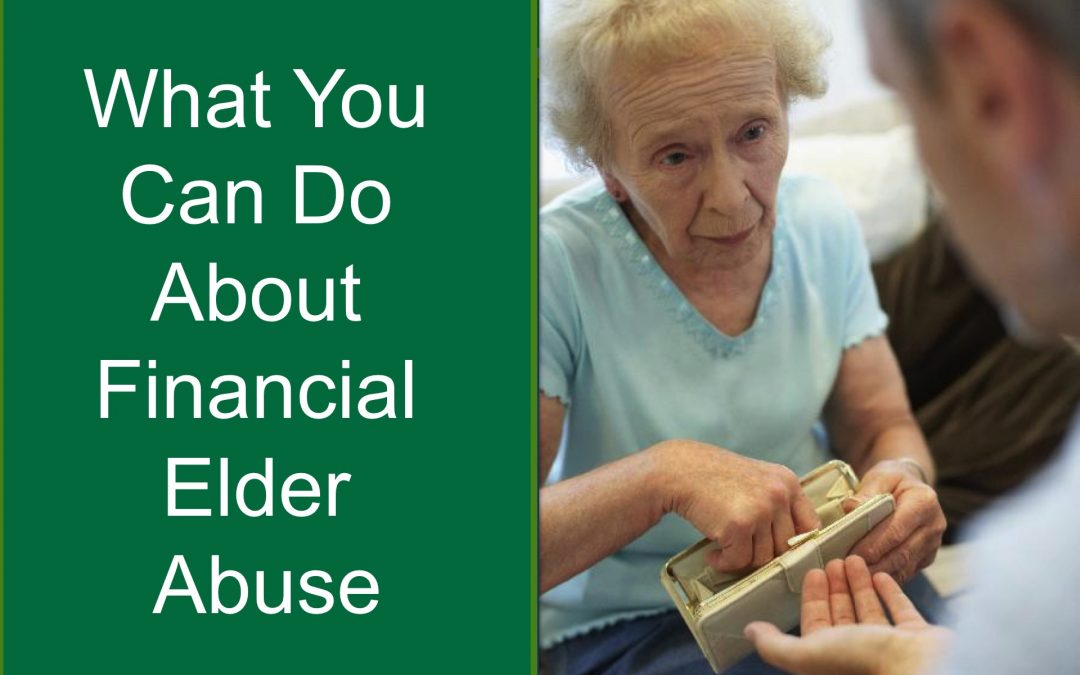
Financial abuse of elders has been called the crime of the century. A recent study shows that it costs seniors over $36B per year in the US. Every hand is needed to prevent and stop this crime of opportunity, including the help of financial professionals. We review the nine domains of financial capacity and describe the seven warning signs that your client may be a victim of financial abuse. We suggest ways that a senior-specific policy can offer advisors a clear path to follow when client conduct puts you on notice of a diminished capacity problem. We show you “hero stories” of financial professionals who took action and did stop abuse.


Family meetings are the bedrock of successful intergenerational wealth transfers. In this course you will learn how to help your client develop a family mission statement, and how to create an atmosphere of learning for any willing heirs who will take over responsibility for a family’s assets. There may be many different kinds of assets a high net worth family has. Heirs can’t keep control over those different assets without excellent preparation. We show you how to get that preparation in place and how to make sure it works. We also teach you about the warning signs of a family that is too dysfunctional for you to be able to help with wealth transfer. Your understanding and confidence in handling a family meeting will grow by leaps and bounds with this course.

It’s pretty well known that intergenerational wealth transfers fail about 70% of the time. What makes the other 30% successful? If you’d like to learn how you can help your client be part of one of the successful families, you’ll need to understand the critical parts of success and how to achieve them. Communication is one of the things we talk about in this course. Who better to advise us than an experienced psychologist who has worked with families for over 40 years? Dr. Davis has given us great information to help ease your way and give you confidence in creating a path to a wealth transfer that works well.

Summary of course:
Aging clients present many challenges for their financial advisors. There are physical changes in hearing, vision and mobility as well as memory issues. This course shows the advisor how to accommodate for the changes that normally accompany aging so they can best serve older clients. It also offers strategies to address changes that are not normal, such as cognitive decline and loss of capacity for financial decisions. Talking to clients about these is likely to be uncomfortable. With the expertise of the psychologist who helped author this course, conversation scripts are offered on how to bring up and talk about delicate subjects tactfully. We illustrate advisor-client dialog with videos and demonstrate the best ways to talk to a client about giving up decision-making authority when impairment sets in.
Learning objectives:
 AgingInvestor