

Retirement Rate of Withdrawal: How The Cost of Help at Home May Be Hidden

Retirement Rate of Withdrawal: How The Cost of Help at Home May Be Hidden

Some retirement plans are based on the theory that drawdown should be at 4% a year and that there "might be" some higher medical costs near the end of a person's life span. This is a very flawed way to look at retirement! If you, the advisor are telling your clients that they can expect level spending throughout retirement years and that they can only anticipate a "maybe" for increased medical costs toward the end of their years, you are not giving them reality.

The truth is that many people suffer gradual declines in their independence over time, throughout retirement. This is particularly the case for those who have never embraced a particularly healthy lifestyle. What happens to them? They have to start paying out of pocket for things that are not considered "medical costs"; i.e., those things most folks require to stay at home, rather than go into an institution. This can start with a home care worker. If a person reaches age 80, for example, and has arthritis, which is the number one cause of disability in the U.S., she may need help with bathing, dressing and walking, among other things. Medicare does not pay for the kind of helper she will need to remain in own home. The national median hourly rate is $20, according to the Genworth Cost of Care Survey. Are you planning for this cost with your clients?

The 80-year-old with arthritis may need a knee replacement or hip replacement. Following either surgery, there is an expected period of disability during which a person will likely need a lot of help. Medicare pays for some rehabilitation but that benefit will most probably be limited to a few weeks, at most, while the recovery period at home may be much longer. Again there is an out of pocket cost for help at home that is not covered by Medicare.

This is just one example of a disabling condition that will require increased spending in retirement for your clients. Many aging people have multiple medical conditions at the same time, thereby increasing the likelihood that they will need to draw out more money in retirement than what many advisors calculate as level spending over those retirement years. I hope you can see the flaws in this kind of planning.

You can do better! When you do retirement planning, be sure to help clients understand what they probably don't want to face: most people will need some kind of paid help as they reach age 80 and beyond. Some will need to pay for help much sooner than age 80. This help is not about level drawdown. It is about increased out of pocket costs that are not considered "medical costs" by Medicare. Medicare supplements do not cover these costs either.

If you are thinking that it's not a problem because their "fun" spending will slow down as they become more disabled, think again. Travel is not precluded for disabled people. Nor are luxury goods, expensive cars, or other things people like to have as a part of their lifestyle in retirement. Helping your clients understand the need for restraining spending and planning for out of pocket non-medical costs of care is a much-needed service you can provide.

Strengthen your knowledge about the hidden costs of long-term care with aging at AgingInvestor.com.
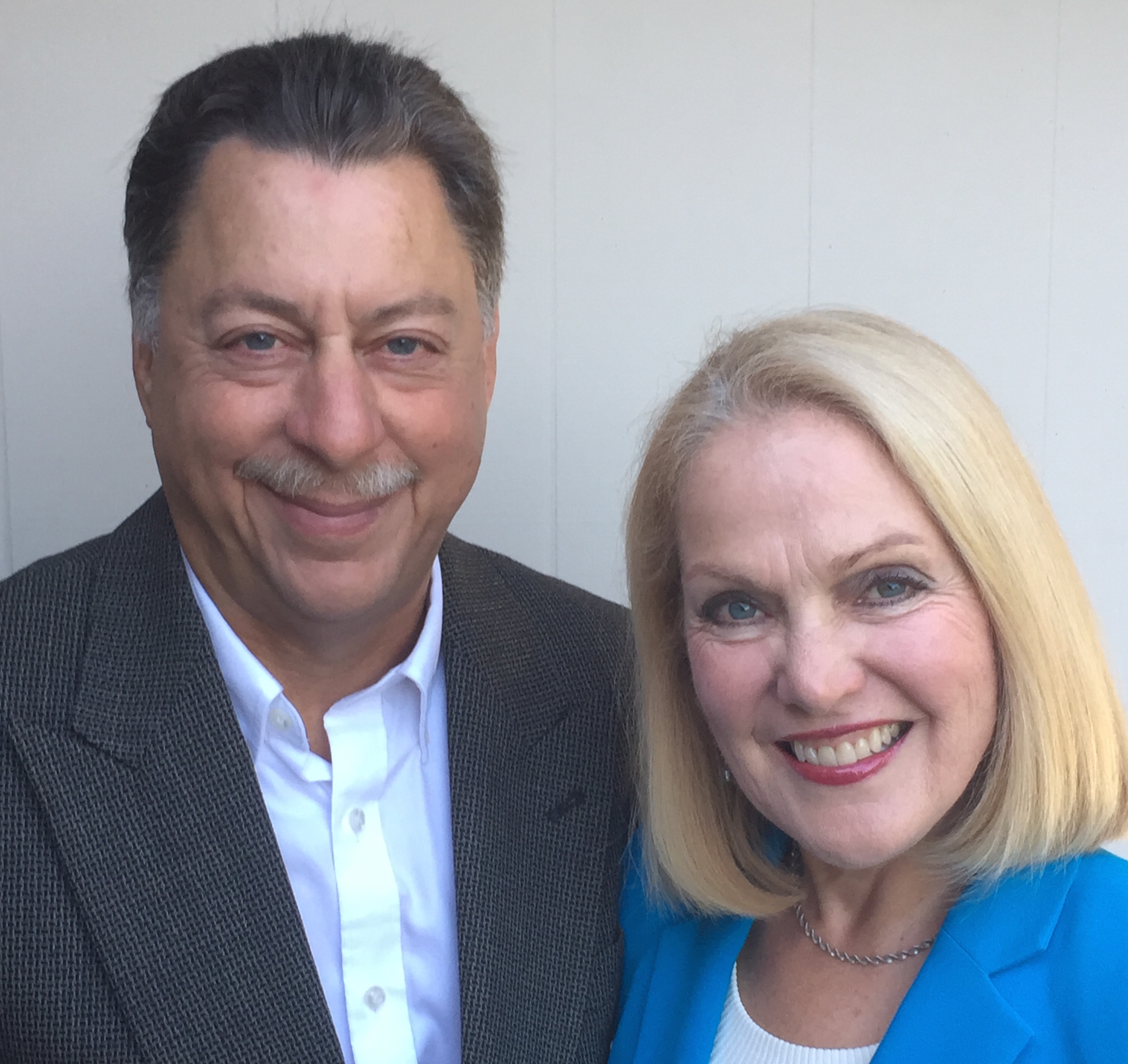
 

Dr. Mikol Davis and Carolyn Rosenblatt, co-founders of AgingInvestor.com

Carolyn Rosenblatt, RN, Elder Law Attorney offers a wealth of experience with aging to help you create tools so you can skillfully manage your aging clients. You will understand your rights and theirs so you can stay safe and keep them safe too.

Dr. Mikol Davis, Psychologist, Gerontologist offers in depth of knowledge about diminished financial capacity in older adults to help you strategize best practices so you can protect your vulnerable aging clients.

They are the authors of "Succeed With Senior Clients: A Financial Advisors Guide To Best Practice," and "Hidden Truths About Retirement And Long Term Care," available at AgingInvestor.com offers accredited cutting edge on-line continuing education courses for financial professionals wanting to expand their expertise in best practices for their aging clients. To learn more about our courses click HERE

Nipping A Predator In The Bud: How Fast Action Saved A Client From Abuse

Nipping A Predator In The Bud: How Fast Action Saved A Client From Abuse

Consider what you would do in this true case study. The advisor did not step up. Would you? Rhonda is 91 and lives independently. She has a few million in invested assets managed by her longtime advisor. Apparently, he forgot the requirement to "know your client". Rhonda started playing the sweepstakes a year before things came to a crisis point. She got really excited about the prospect of winning. A scammer, who probably purchased her name from the sweepstakes companies, got in touch with her by phone. "You've won!" he exclaimed excitedly. He then went on to use a classic scammer's trick. He told her she could get her million-dollar check if she would just pay the "fee" for transferring the funds. Sometimes the trick is paying the "taxes" or the "insurance fee". It's all the same. The scammer claims that they will deliver the check in person in exchange for the cash from the mark, often an elderly person. Luckily, Rhonda's son found out and he and his brother tried hard to talk their mother out of this. She insisted that they didn't understand and that "Mr. Banks" (don't you love the name?) was a good person and he was going to deliver her winnings to her for real. No amount of reasoning could persuade her she was about to be victimized. Her son, Jamie called us at AgingParents.com. "What can I do?" he asked.

We had to act fast as "Mr. Banks" was coming the following week in person. Rhonda was still the trustee over her multi-millions despite the fact that she had been showing clear signs of cognitive impairment for over two years. No one had taken any steps to keep her safe until this crisis. We asked Jamie to get her trust and any estate planning documents ASAP. He did so. In reviewing them, I saw that he was a co-trustee on the trust. It also revealed that Jamie was the "attorney in fact" on mom's Durable Power of Attorney and that he could act immediately. He got careful step-by-step instruction as to how to stop transactions on her accounts, and how to confront the nefarious "Mr. Banks" when he called to set up a time to meet with Rhonda. He also got advice about how to either get Rhonda to resign as trustee or to have her removed if she resisted. I personally called Rhonda's financial advisor to let him know about the imminent abuse, that transactions should be held until either Rhonda resigned as trustee or until Jamie could put a stop to Rhonda's attempts to get thousands of dollars for the predator. The options to stop his client would take a few days at least.

The advisor gave me a helpless-sounding response: "I don't know of anything I can do". Really? In the face of regulators insisting that you keep aging clients safer, that you address elder financial abuse and that next year you will be required to report abuse? Really? In the face of an upcoming regulation from FINRA that you can, in fact, hold transactions for two weeks in just this kind of situation? I was shocked at the lack of attention he paid to his own client's risks. The outcome on this matter was successful. Jamie used the power of attorney to stop any transfers out of Rhonda's account. She was too confused to argue with that action. When "Mr. Banks" called, Jamie was present and asked him "Who are you anyway?" Banks claimed he was a long lost relative and when Jamie told him to get lost, he actually did. Rhonda did not hear from him again. Whew, close call! The takeaways for advisors from this true case are these:

  1. Know your client. Diminished capacity leaves a trail. Stay in communication with your aging client's family members, particularly those who are on their estate planning documents appointed to take over in the event of incapacity. Know them too.
  2. When you are informed of any clear case of imminent abuse, hold transactions. It's that simple. Stop predators. Don't play helpless. You do know what to do. See the compliance department of your organization if you are unsure about this. It should be clear – do what is necessary to keep your client safe!
  3. Recognize that your oldest clients, age 85 and up are at very high risk for dementia or diminished capacity. The risk is at least one in three. Some experts put it at 50%. Therefore, you need to be on the lookout for signs of diminished capacity and to have a plan in place to address it with those who are in the position to take other protective action. In the earliest stages of dementia, a person loses financial judgment and is a prime target for scammers of all kinds.                                                                                                                                                       Learn more about what you can do to stop financial abuse at AgingInvestor.com.


Dr. Mikol Davis and Carolyn Rosenblatt, co-founders of AgingInvestor.com

Carolyn Rosenblatt, RN, Elder Law Attorney offers a wealth of experience with aging to help you create tools so you can skillfully manage your aging clients. You will understand your rights and theirs so you can stay safe and keep them safe too.

Dr. Mikol Davis, Psychologist, Gerontologist offers in depth of knowledge about diminished financial capacity in older adults to help you strategize best practices so you can protect your vulnerable aging clients.

They are the authors of "Succeed With Senior Clients: A Financial Advisors Guide To Best Practice," and "Hidden Truths About Retirement And Long Term Care," available at AgingInvestor.com offers accredited cutting edge on-line continuing education courses for financial professionals wanting to expand their expertise in best practices for their aging clients. To learn more about our courses click HERE

Intrusion or Just Being Safe?  Why You Need Closer Monitoring of Aging Clients

Intrusion or Just Being Safe? Why You Need Closer Monitoring of Aging Clients

Most financial advisors with aging clients often find themselves in the dilemma of just how involved they should get when it comes to their clients. You talk with them for portfolio reviews, but what if they show signs of diminished capacity in those conversations? Should you meet with them to talk about it or just wait until "something happens"? A critical point that every financial advisor needs to know: if your older client shows signs of mental decline, something is already happening. You don’t have the luxury of waiting. Research makes it clear that the ability to manage finances is the first thing to go downhill when a person begins to develop Alzheimer's disease or other forms of dementia. There could be other reasons for cognitive decline too. Don't make the mistake of ignoring it.

At AgingInvestor.com we recently heard a story that reinforces the importance of staying vigilant for your aging clients. Penny is 93 and until recently, the professionals in her life saw no particular reason to be concerned about her mental status. She was usually clear in conversation. Her accountant thought she was ok but failed to see mistakes and changes. But Penny was managing seven separate real estate investments and no one in her family, particularly her son, was helping her. Her son may have thought she was fully capable. She had been successful for decades. No one anticipated that she might become impaired late in life. But then her lawyer, living in a different city, wanted her to sign a document and have it notarized. She got confused and insisted that it be done incorrectly. The document came back a mess. Her lawyer did not heed these red flags that something was wrong and thought Penny was probably ok. He attributed the error to "normal" forgetfulness. Forgetfulness is a warning sign that closer monitoring of the older person needs to start right away.

Penny’s son eventually got her to a doctor who wrote a letter with the opinion that Penny was no longer able to manage her personal and financial affairs. Her son began taking over managing the property but was not prepared for what he found. Of the seven real estate holdings, five had IRS liens! One had become uninhabitable, the tenant had moved out and was billing Penny for the hotel stay, waiting for the home to be fixed. Penny had failed to pay the property taxes for several years.

Penny is a good example of a senior who is generally pretty clear but is definitely not able to handle complex finances any longer. The process of her cognitive decline did not happen overnight. It took several years. During that time she endangered her assets, lost track of her finances and could have lost most of her real estate to tax liens. Warning signs happened but no one paid attention to them.

Could this be prevented? Of course. Had her financial advisor kept a better eye on all of Penny’s assets, not just her stock account, he could have noticed the problem and contacted her son. The point is that wealthy clients may have assets you do not manage but also provide income. It is good practice to ask about all of your client's holdings. Penny's failure to pay property taxes and allowing the houses to fall into disrepair should have been seen by those close to her. Paying attention to those telltale signs of decline, which an alert advisor would have noticed, should have triggered reaching out to Penny's trusted contact person. Working with your clients' families is key to protecting their financial safety. Learn more about successful family meetings at AgingInvestor.com.


Dr. Mikol Davis and Carolyn Rosenblatt, co-founders of AgingInvestor.com

Carolyn Rosenblatt, RN, Elder Law Attorney offers a wealth of experience with aging to help you create tools so you can skillfully manage your aging clients. You will understand your rights and theirs so you can stay safe and keep them safe too.

Dr. Mikol Davis, Psychologist, Gerontologist offers in depth of knowledge about diminished financial capacity in older adults to help you strategize best practices so you can protect your vulnerable aging clients.

They are the authors of "Succeed With Senior Clients: A Financial Advisors Guide To Best Practice," and "Hidden Truths About Retirement And Long Term Care," available at AgingInvestor.com offers accredited cutting edge on-line continuing education courses for financial professionals wanting to expand their expertise in best practices for their aging clients. To learn more about our courses click HERE

How Much Should You Plan On For Retirees’ “Out of Pocket Medical Costs”?

How Much Should You Plan On For Retirees’ “Out of Pocket Medical Costs”?

How Much Should You Plan On For Retirees' "Out of Pocket Medical Costs"?

For those outside the caregiving world, there is a lot of confusion about this cost. Calculations abound in retirement planning circles for helping your clients ensure that they have enough for the things they are likely to need medically. The usual calculations outline Medicare Part A premiums (deducted from Social Security payments), Medicare Part B supplemental health insurance premiums, also called "Medigap" and for medication expenses, as some are not covered my Medicare. In plain English, this means that your client's Social Security is less to them when the Medicare payment comes out and they have to pay out of pocket for the other kind of insurance that covers outpatient care, clinic and doctor visits, as well as prescription meds.

OK what's wrong with these calculators? Can't you rely on them? I think for an unusually healthy person who is your client, one who needs little care and has no chronic illnesses, they would be fine. I'm not sure where the folks making up the calculations get their statistics but I think they grossly underestimate the real costs of out of pocket medical care in retirement.

From personal experience with thousands of elders I visited at home as a nurse over a career, I did not see much of the unusually healthy. What I did see was the average person then taking numerous medications, having multiple chronic conditions and being at risk for those getting worse with age. And now, decades later, we live longer, have more health risks as a result of greater longevity and we have to pay more for the problems that go along with living to be 100. We have better diagnostics and we can catch and treat conditions more. That means more out of pocket expenses for those exotic tests Medicare will not cover. That also means more and more drugs being prescribed to manage and control chronic illness. They work, but we pay. You would be amazed at what Medicare does not cover.

Here's the message I want every retirement planning advisor to heed: you cannot predict how much out of pocket medical expense your client will have unless you really know a lot about both their genetic disposition and their health habits and condition. And then it's only an educated guess. How educated are you?

We do know that the way we age is about 30% due to our genetics. The other 70% of the picture is directed by how we choose to live. That means what we eat, how much we move our bodies, how we manage stress, how we socialize and how we succeed or not in our relationships with others. All of these factors affect our health and longevity and consequently, how much it's going to cost to keep living with conditions like heart disease, diabetes, cancer, hypertension, arthritis, etc.

We haven't even touched on the subject of Alzheimer's disease. If you are calculating out of pocket medical I'll bet you never calculate what it costs to care for someone at home 24/7 with specialized skill for dealing with this devastating disease. It can last 20 years. Nursing home care and caring for a person with any serious illness at home is long term care. That is not in the calculations in those handy tables describing the out of pocket medical costs for an average couple retiring at the age of 65 and living to be 85.

Here's an example. Mort is 95. He has multiple health issues and early dementia. He can't do anything by himself. He has 4 caregivers in shifts every day in his home. He isn't sure he wants to keep going but he doesn't want to stop the numerous medications he takes to stay alive. It costs over $250,000 a year just for the caregivers, not for the other costs of housing, utilities, transportation via handicap van and such. And the out of pocket medical is still there. The dentist, the hearing aids, the medications that no insurance pays for, the stair lift, the ramp on the front of the house, the high-end wheelchair and more.

If you want to help your clients plan so they won't run out of assets, you'll need to be realistic. Lots of cash may need to be available at the later end of life. It is more likely than not. Forget reliance on a calculator or use one that has the highest number you can find. Then add on expenses like Mort's and you're on the right track.

Get a lot more detail on caregiving, costs of care and what is needed as we age in The Family Guide to Aging Parents: Answers to Your Legal, Healthcare and Financial Questions. Check it out here.

Carolyn Rosenblatt, RN, Elder law attorney & Dr. Mikol Davis, Gerontologist

AgingInvestor.com and AgingParents.com


Dr. Mikol Davis and Carolyn Rosenblatt, co-founders of AgingInvestor.com

Carolyn Rosenblatt, RN, Elder Law Attorney offers a wealth of experience with aging to help you create tools so you can skillfully manage your aging clients. You will understand your rights and theirs so you can stay safe and keep them safe too.

Dr. Mikol Davis, Psychologist, Gerontologist offers in depth of knowledge about diminished financial capacity in older adults to help you strategize best practices so you can protect your vulnerable aging clients.

They are the authors of "Succeed With Senior Clients: A Financial Advisors Guide To Best Practice," and "Hidden Truths About Retirement And Long Term Care," available at AgingInvestor.com offers accredited cutting edge on-line continuing education courses for financial professionals wanting to expand their expertise in best practices for their aging clients. To learn more about our courses click HERE

What To Do When Your Aging Client’s Health Is Failing

What To Do When Your Aging Client’s Health Is Failing

What To Do When Your Aging Client's Health Is Failing

Financial professionals can find themselves in an uncomfortable position when they have a long time aging client who is in declining health. Of course, you know the client and can see that she's struggling with a lot of issues. You may want to do something but this stuff is just not in your wheelhouse. Longevity is great but not when you start to lose the ability to manage on your own. What are you supposed to do for these clients?

You're trained to understand economics, taxes, financial products, planning. But you're not trained to direct aging people to whatever resources they may need as they get older. If they have family, you may expect family to step up, but you see that it may not be happening. Should you call them? Do you even know them? Do you have your client's permission? And what if they don't have family? That's even worse. Here they are getting frail and more vulnerable by the day and you are just watching helplessly.

It doesn't have to be that way. You can get acquainted with some basic resources in your area and the areas where your clients live. Maybe they never figured they'd live so long as to actually need help. When they do, you can be a starting point to help them find what's out there.

Let's imagine you have an aging client who is having trouble getting around and she needs some help with chores at home. She tells you about it when you ask her how things are going. She is shy to ask for help and reluctant to admit that it's harder and harder to live alone. You don't know what to say. Or do you?

One source of help everyone should know about is the Area Agency on Aging. These Federally funded programs connect elders to appropriate community organizations and places to get assistance. Their mission is to help older adults and people with disabilities live with dignity and choices in their homes and communities for as long as possible.

AAAs contract with local service providers to deliver many direct services, such as meals, transportation and in-home services. However, most agencies are direct providers of Information and Referral/Assistance, case management, benefits/health insurance counseling and family caregiver support programs.

Some are incorporated into a county's health and human services departments. Some are separate. Large states have many AAAs. Smaller less populated states have fewer of them.

One thing you can do now to be ready to assist your own client who may demonstrate a need is to research where the nearest Area Agency on Aging is in your client's community, download a brochure or information package and let your client know it's there. If he needs help at home, transportation services, vetted information about local service providers, an AAA is a great place to start.

This whole aging client issue can be a reflection of things you have experienced in your own family. Perhaps you have an aging parent or ill grandparent. Another problem solving source of information is our book the Family Guide to Aging Parents: Answers to Your Legal, Healthcare and Financial Questions

. Learn what's in it here. It can get you more comfortable with those difficult conversations.

Carolyn Rosenblatt, RN, Elder law attorney

AgingInvestor.com and AgingParents.com