

Know The Pros and Cons Of Assisted Living For Your Older Clients

Know The Pros and Cons Of Assisted Living For Your Older Clients

Mostly at the urging of their adult children, many seniors choose to move to senior communities where some help is available. These are usually called Assisted Living facilities (AL). When it is too difficult to keep up the family home or an elderly client of yours becomes too isolated after the loss of a spouse, AL can be a good choice.

No doubt you, the financial advisor have helped them consider the expense and the consequences or benefits of selling the family home. And they likely would not move if they could not afford the monthly cost of being in AL. However, there are things every advisor should know about AL so you can properly advise your clients.

The marketing departments of these homes can be very aggressive about promoting the benefits of AL. Indeed may of them are well appointed and have numerous convenient amenities. What they don't tell you are the hidden disadvantages. Having interfaced with many of these facilities in our work at AgingParents.com and AgingInvestor.com as consultants to families, we want you to be fully informed of what they can and can't do.

First, AL homes are not nursing homes, and they do not provide nursing or health care. If there is a nurse on staff at all, which is not required of any of them, the nurse is there to evaluate residents' suitability, hear resident concerns, consult with staff and make referrals. It is not to provide direct care, even in an emergency. The nurse in such a facility, seeing an emergency, will call 911, just as any layperson might do.

These homes are not licensed to offer health care. Assistance with things like bathing, dressing, walking, bathroom, eating and getting in and out of bed are the limit of the help they can provide.

Next, these homes do not provide full staffing at night. If your client is forgetful or wanders around at night and her family shares this with you, AL may not be the best choice. Some people hire additional help privately to watch their loved ones in AL more closely, especially at night and this arrangement can work well. However, it is a significant additional expense and must be paid on top of the regular monthly charges of assisted living. We know of one resident whose family was spending $12,000 a month for the combination of AL and outside supplemental caregiving.

Finally, any home whether it is AL or any other place where care is delivered should be held accountable for the safety of your client who may become a resident there. No one is going to check on your aging client every hour in AL. Falls can happen anywhere, including a so-called "supervised environment". The concept of AL was originally meant to give all levels of care but today that is not the case. The law requires separate licensing of any unit or facility that offers skilled nursing. Even when it is given on the same campus as AL, skilled nursing facilities are a separate entity from AL.

If you are talking to any client about the possibility of AL, be sure that your client is educated and that the family does not have unrealistic expectations of AL. The expense of these places is one consideration. The overall plan for the future of taking care of a client's needs is another. Help your client be a wise consumer.
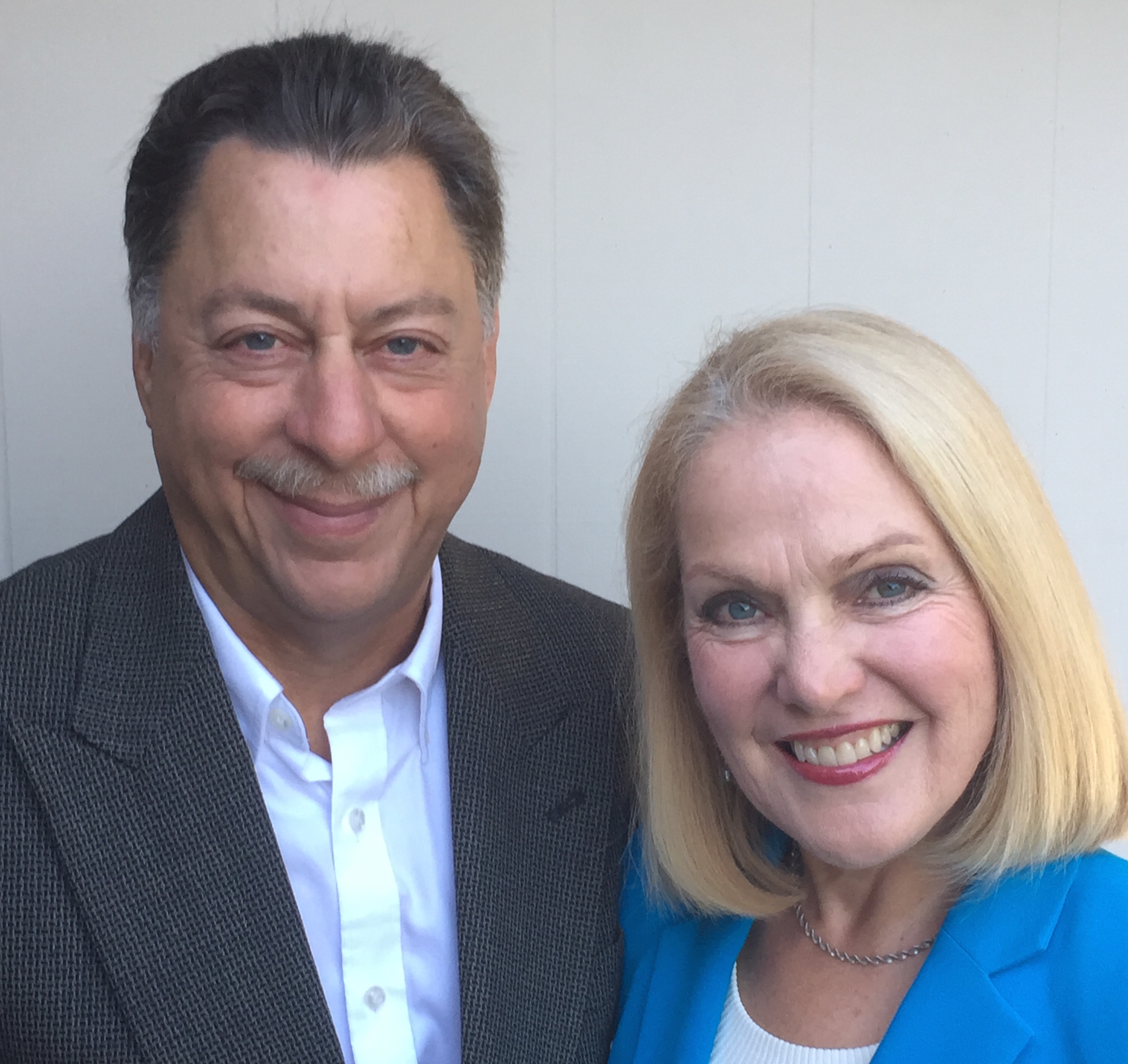
 

Dr. Mikol Davis and Carolyn Rosenblatt, co-founders of AgingInvestor.com

Carolyn Rosenblatt, RN, Elder Law Attorney offers a wealth of experience with aging to help you create tools so you can skillfully manage your aging clients. You will understand your rights and theirs so you can stay safe and keep them safe too.

Dr. Mikol Davis, Psychologist, Gerontologist offers in depth of knowledge about diminished financial capacity in older adults to help you strategize best practices so you can protect your vulnerable aging clients.

They are the authors of "Succeed With Senior Clients: A Financial Advisors Guide To Best Practice," and "Hidden Truths About Retirement And Long Term Care," available at AgingInvestor.com offers accredited cutting edge on-line continuing education courses for financial professionals wanting to expand their expertise in best practices for their aging clients. To learn more about our courses click HERE

Three Retirement Mistakes Sure To Create A Mess For Your Client’s Family

Three Retirement Mistakes Sure To Create A Mess For Your Client’s Family

With 10,000 Boomers turning 65 every day, no wonder there is so much talk about retirement. You may be planning busily to get your clients a stable income and keep the portfolio on track. But besides advice on how to "have a secure retirement" and "maintain your lifestyle" there's some important information too few are taking about. That's the retirement-era mistakes people make that are pretty much guaranteed to leave their families in a stressful mess no matter how well you manage their finances. Long experience here at AgingInvestor.com and  AgingParents.com has revealed much about retired older clients. We hear about what your aging clients do and don't do to make life stressful for their adult children.  Here are what we call the Top Three of numerous errors aging clients make that you can at least remind them to avoid. Maybe you don't get too far into their personal lives and relationships with their adult children, but we think you should go farther than is traditional for you to do. Their financial safety is at stake.

Mistake Number One: They never discuss finances with their spouses or adult kids. It's private, they think.

The problem with this is that they're not going to live forever. Family members need to know where the funds are, what you're managing and what to do when the patriarch or matriarch becomes impaired or dies. Most people do suffer health declines as they age and millions will develop dementia. What then? You can't take direction from a client who is too incapacitated to make a decision about finances. Encourage family meetings. Persuade your older clients of the necessity to communicate about finances so you can rely on a surrogate decision maker when or if your client loses mental capacity. You need to take leadership on this if the client doesn't do it. The family needs to be prepared or suffer extreme stress when things go wrong for the aging parent.

Mistake Number Two: They believe they'll never fall for a scam. They're way too smart for that.

Very smart and capable folks get taken by scammers every day. In fact, some of your experienced and capable clients develop Alzheimer's disease and can cover it up for a long time. But they lose financial decision-making capacity early in the disease process when other functions seem fine. Impaired people are more vulnerable than ever. You need to involve your client and family in awareness of the latest scams and fraud targeting seniors. Make it your business to give them information and links to good resources like the AARP Fraud Watch Network. They need to be aware of telephone scams, ID theft, and Internet thieves. When you protect their money, you protect your fees. If your client gets taken by a scam, chances are their family will have to help clean up the mess.

Mistake Number Three: They think they don't need to plan for long-term care. They'll never need it of course.

This mistake involves both you as a financial professional as well as retirement age clients in denial about ever needing expensive help for disabling conditions. For your part, your industry is inaccurately providing statistics about how much a retired couple, age 65 will need for "out of pocket medical expenses" and you guide clients accordingly. That is not fair to them because it is not truthful. Out of pocket medical expenses are not limited to the average cost of Medicare supplemental insurance and non-covered prescription costs. That's what you may have relied on. Wrong. How about hearing aids, dental work, help at home from an agency worker, adult day centers and the many other aspects of long-term needs? Educate yourself first and then advise your clients. Long-term care could otherwise bankrupt them. And the family will bear the burden of caring for them then.

Perhaps your viewpoint is limited to the funds you manage and the income targets you and the client have decided upon. But there is far more to the retirement picture than that. We encourage you to take a deeper dive into retirement planning and gain a realistic view of how you can help clients avoid these big mistakes.


Dr. Mikol Davis and Carolyn Rosenblatt, co-founders of AgingInvestor.com

Carolyn Rosenblatt, RN, Elder Law Attorney offers a wealth of experience with aging to help you create tools so you can skillfully manage your aging clients. You will understand your rights and theirs so you can stay safe and keep them safe too.

Dr. Mikol Davis, Psychologist, Gerontologist offers in depth of knowledge about diminished financial capacity in older adults to help you strategize best practices so you can protect your vulnerable aging clients.

They are the authors of "Succeed With Senior Clients: A Financial Advisors Guide To Best Practice," and "Hidden Truths About Retirement And Long Term Care," available at AgingInvestor.com offers accredited cutting edge on-line continuing education courses for financial professionals wanting to expand their expertise in best practices for their aging clients. To learn more about our courses click HERE

A Great Way To Distinguish Yourself As A Professional

A Great Way To Distinguish Yourself As A Professional

Doesn’t every professional want to stand out from the crowd?  Be better at delivering services? Somehow get a reputation as a cut above the average guy or gal in the biz?

It’s hard to sell the idea that you give better service when you are doing essentially what your competitors do in the same space. The secret is in offering a different service from the others in your field, besides the usual expertise in your field clients have a right to expect use the best essay editor source.  
What will that different service be?  If you want to focus on senior safety, that can be it.  We don’t mean that you know about the things seniors need to know about, such as retirement strategy, estate planning, moving, wealth preservation, tax planning and all that.  It will be about specifically protecting them from abuse.To do that, you’ll need a senior-specific policy that spells out how you can protect a client.                
(more…)