
Do Your Older Clients A Favor: Warn Them About This Scam

Do Your Older Clients A Favor: Warn Them About This Scam

Attempts to scam money from seniors never stop. And the thieves keep getting better at thinking up ways to extract information from older folks. Here’s another one—a different phony Medicare trick.

People hear ads on TV about genetic testing and how it can predict disease and protect them. They also hear ads that they’re not getting all the Medicare benefits they deserve. Who doesn’t want to get all the benefits they should get? It’s a perfect moment for scammers.

They may call your retirement-aged client and tell them that new genetic testing is available that Medicare will pay for, worth thousands of dollars. Of course, all your client has to do is to give them their Social Security number and the free testing kit, signup papers, or other inducement will be mailed to them immediately.

Let’s be clear: Medicare does not pay for genetic testing as a “new benefit”. If for any reason such testing were needed, a physician would order it and explain why it was needed. Such testing would not be ordered without any discussion with one’s MD.

Your client should never, ever give out a Social Security number or other personal information such as date of birth or address over the phone. Your client must never accept a genetic testing kit not ordered by one’s own doctor. If it is accepted and the cheek swab, DNA test or anything else is given to the sender, your client may be billed directly, potentially incurring a debt for thousands of dollars. It would be a sad day for your client to mail in a claim for reimbursement to Medicare for a fake benefit and realize that the claim is denied. They’re on the hook for the full price.

These kinds of scams are used to get information to commit identity theft and Medicare fraud. No matter how smart your client is, anyone can be caught off guard and tricked.

What Advisors Can Do

Here are some ways to let your client know you care about their financial safety.

  1. Prepare a friendly form letter to send to all clients over age 65 and inform them about this scam. Warn them not to fall for it.
  2. Keep abreast of all the latest scams in over 30 categories at the Federal Trade Commission, which explains what they are and how they work. Keep clients advised.

If identity theft has happened, direct your client to the Federal Trade Commission website for instruction on what to do.

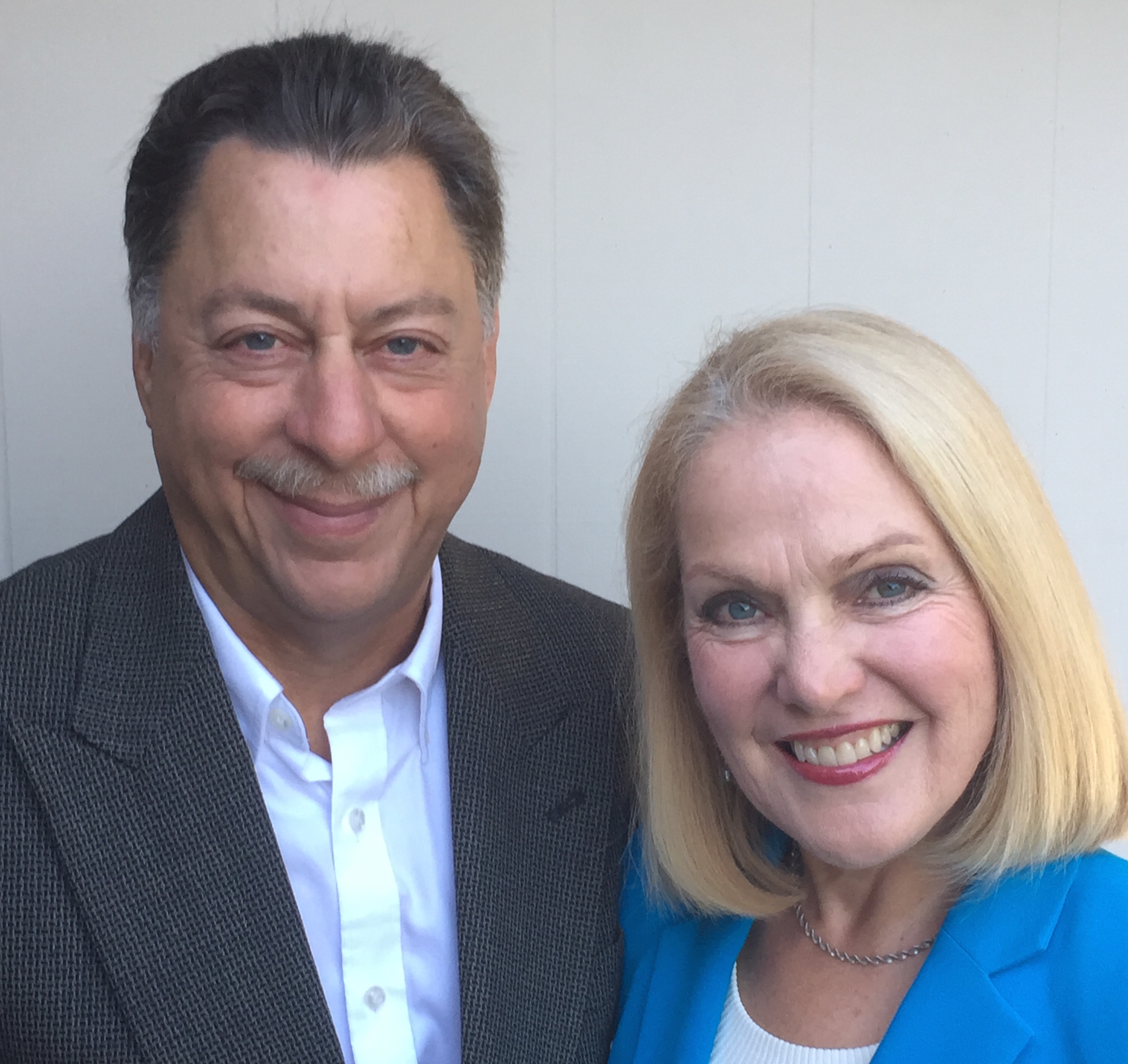
Carolyn Rosenblatt, RN, Elder law attorney, AgingInvestor.com

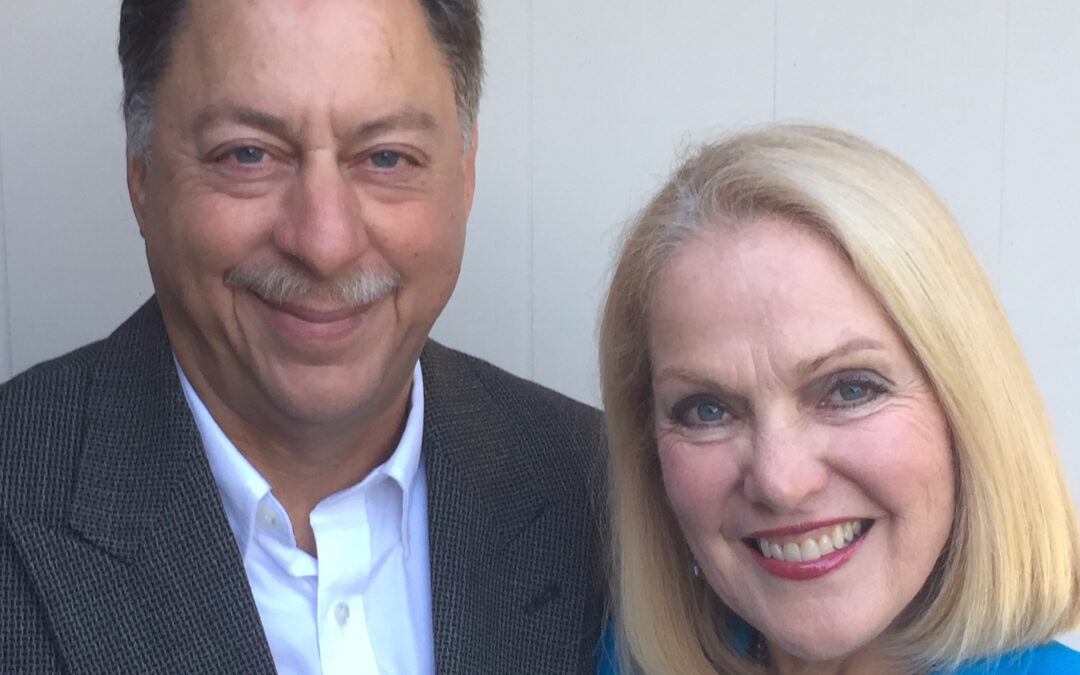
About Carolyn Rosenblatt and Dr. Mikol Davis

Carolyn Rosenblatt and Dr. Mikol Davis are co-authors of The Family Guide to Aging Parents (www.agingparents.com) and Succeed With Senior Clients: A Financial Advisors Guide To Best Practices. Rosenblatt, a registered nurse and elder law attorney, has more than 45 years combined experience in her professions. She has been quoted in the New York Times, Wall Street Journal, Money magazine and many other publications. Davis, a clinical psychologist and gerontologist, has more than 44 years experience as a mental health provider. In addition to serving his patients, Davis creates online courses and products to assist professionals and the public with understanding aging issues. Rosenblatt and Davis have been married for 34 years.


 

One Easy Way To Deepen Your Relationship With Your Aging Clients

One Easy Way To Deepen Your Relationship With Your Aging Clients

As an advisor, you hope that your clients trust you and will stay on with you for life. You may be doing well in managing their finances. You may never hear any complaints about your fees. But unseen forces can be at work and any one of them can prompt your client to think he or she needs to go somewhere else. Lures of lower fees, better returns or a younger family member urging them to give up your management can undermine the trust you thought you had. How do you maintain the relationship? What can you do besides your essential job of skilled management to keep clients?

Consider that everyone appreciates being thought of and attended to one way or another. If you look at marketing efforts from another industry, real estate, you note that brokers and agents send lots of mailings and notices to prospects over time, just in hope of keeping themselves, top of mind. They may not even know you but they send mailings to your address or email anyway. If they do know you, you may even read what you receive. It makes sense to find reasons to contact clients regularly even if there is no need to update them on the performance of their portfolios. One way is to send them something as a courtesy, to let them know you want to be helpful.

You may know that financial abuse of elders is a massive problem in our country. In fact, research shows that it costs elders over $36B a year. Most aging clients have heard of abuse or scams, but may think warnings would not apply to them. But of course no one is immune. At AgingInvestor.com, where we focus on advisor education and training about age-related issues, we urge every advisor to keep retirement-age clients informed of scams and fraud. There are two important reasons for this. First, you may actually prevent a client from getting ripped off by educating them. And second, sending regularly scheduled communications about these issues and more can strengthen your relationship with the client.

If you don't have time to write or look up what to send clients, we make it easy for you. Go to AgingInvestor.com and get started. Send your clients the AARP tip sheet on avoiding scams you'll find HERE. They can learn about common scams and what to watch for. We even created a brief suggested cover letter or email you can send with it. You can use this one or create a letter that works for you. We have a series of free things we assembled so you can use them to maintain the best, warmest communication with your aging clients. It will deepen your client relationship and they'll appreciate you even more!

Myth Versus Reality: New Rule 2165 and Temporary Holds on Disbursements

Myth Versus Reality: New Rule 2165 and Temporary Holds on Disbursements

The regulators are trying. They want to help advisors protect aging clients from financial abuse. They don't want you to fear doing something wrong if you refrain from handing over assets to what looks like an abuser. But not living in the real world of how to stop abuse by determined abusers has its disadvantages. The new rule tells you who is at risk (elders and other impaired adults). It tells you that you just need a reasonable suspicion of abuse, not unquestioned evidence. It tells you what a temporary hold is and how long it can be: 15 days, 25 at max. Sounds ok. Until you actually know how long it takes for the legal steps to halt abuse.

Here at AgingInvestor.com we see this problem in the world of families and those who want to rip them off, not from inside an institutional setting or financial services firm. The world from here looks different from what FINRA imagines. There is usually no way anyone can stop abuse in 15 days or even in 25. We explain. In a real case, the kind this rule is designed to affect, we worked with family in an unfortunately typical situation of an unscrupulous son trying to squeeze money out of his 90 year old father who had dementia. The advisor had seen the pattern. He knew the son never did well on his own and he had been given handouts from dad for years. Dad, whom we'll call Joe, lived in a nursing home. He needed help with everything and his memory was shot. He was easily confused. Yet his advisor never questioned his ability to effect financial transactions. But when the son, we'll call Jake, brought his frail father into the advisor's office demanding $50,000 plus access to the cash management account, the advisor was sure it was abuse. He knew his client was too confused to disagree with Jake. The advisor dragged his feet and didn't provide the check his client had asked for, pushed by Jake, Over a month later, he felt obligated to give his client the $50K, which of course Jake got right away from Joe. The advisor didn't have Rule 2165 but he knew that Joe's daughter Rhoda was the appointed person as power of attorney and successor trustee. He didn't have permission to contact her, so he did it, as he said "on the QT". Rhoda was upset. She called us for advice. She found us through her own advisor who had the sense to send her to a resource who could answer her questions and guide her.

First we looked at the trust and what it said about Joe being removed as trustee or resigning as such. Two doctor's letters were needed, verifying that he was no longer competent to manage finances if he was to be removed as trustee. We advised her to get those letters asap. Rhoda lived out of state from Joe. She found the doctors and flew into town to take him to the appointments. Fortunately the doctors were able to say that Joe had indeed lost his capacity for handling his money. A couple of weeks after the appointments, Rhoda got the letters she needed. She then had to take them to Joe's estate planning attorney, who met with her and eventually gave her a Certificate of Trust, showing that she was now the successor to Joe and was in charge of his money. She then had to get the Certificate to his advisor's firm, which had to review it and after two weeks, they accepted it. Only then was Rhoda able to stop any further disbursements from Joe's account without her permission. Her brother was furious. His gravy train had stopped. The advisor had sent a debit card for the cash management account Joe requested under pressure to Rhoda, not to Joe. Rhoda destroyed it. Abuse stopped in its tracks.

Reality check: this scenario of stopping abuse involved a lawyer, an elder willing to go to two doctors, the cooperation of two doctors, travel between states, the approval of the Certificate of Trust with Rhoda's name on it through a process by the advisor's firm and a lot of time spent by Rhoda. The entire matter of protecting Joe from abuse took three months. Rule 2165 supposedly authorizes advisors to "take immediate action" when abuse is reasonably suspected. What is myth rather than reality is how long it takes to actually protect the elder and stop a predator. This was a case of undue influence by Jake who had a history of manipulating his father. And the new rule would not have helped at all. Jake would have happily waited for a mere 15 days to get his hands on the cash. Rhoda couldn't possibly get Joe removed as his own trustee without the doctors' letters. This sort of prerequisite of needing doctors to verify incapacity is commonly required in typical trusts. Perhaps the drafters of Rule 2165 never had to go through the process described here in their own lives. If they had, the new rule would provide for a 90 day authorization to hold transactions, rather than a maximum of 25 days. Maybe going forward when the myth gives way to reality, the rule will be revised. For now it is inadequate.


Dr. Mikol Davis and Carolyn Rosenblatt, co-founders of AgingInvestor.com

Carolyn Rosenblatt, RN, Elder Law Attorney offers a wealth of experience with aging to help you create tools so you can skillfully manage your aging clients. You will understand your rights and theirs so you can stay safe and keep them safe too.

Dr. Mikol Davis, Psychologist, Gerontologist offers in depth of knowledge about diminished financial capacity in older adults to help you strategize best practices so you can protect your vulnerable aging clients.

They are the authors of "Succeed With Senior Clients: A Financial Advisors Guide To Best Practice," and "Hidden Truths About Retirement And Long Term Care," available at AgingInvestor.com offers accredited cutting edge on-line continuing education courses for financial professionals wanting to expand their expertise in best practices for their aging clients. To learn more about our courses click HERE

Warn Your Clients About This Fake U.S. Marshal Scam

Warn Your Clients About This Fake U.S. Marshal Scam

The Federal Trade Commission makes every effort to warn consumers about the latest scams and the information is important. However, your investors are not likely to spend time browsing through the FTC website for scams. We at AgingInvestor.com are passing on a warning for you to share with your clients. We want them to love you for how much you take care of them. When they get a friendly letter or email from you, that shows you're paying attention to them.

Let them know about the fake U.S. Marshal scam. Here's how it works:

The scammers get phone numbers from lists of potential targets. It is no secret that telephone numbers of seniors, in particular, are bought and sold by unscrupulous people. This scam is not limited to elders, but they are especially vulnerable, having been raised to generally respect authority. The scammer has a fake phone ID and number and perhaps even a real badge number stolen from the Marshal's office. So your client might have caller ID and see "U.S. Marshal" on it. It's intended to scare them. It works.

The caller says the target is delinquent in reporting for jury duty and there is a fine due immediately which must be paid. The caller threatens that the Marshal will arrest the target if he or she does not pay immediately. Of course, there is no such consequence for failing to report for jury duty and there was no summons for Federal jury service the target ever got. Never mind that, the target reacts out of fear.

When we react out of fear, we're not logical. Why would a U.S. Marshal insist that anyone buy a pre-paid gift card for cash or wire money? That never happens. This may sound very obviously phony to you, but your aging client can be fooled by it. Perhaps the client is a bit forgetful and is terrified that he forgot about a jury summons. Or she thinks she is about to be taken away and she complies, feeling she has no choice but going to jail.

The takeaway is this. Please send a communication to all your clients that warns them of this scam and advises that you are looking out for their financial safety. You need to tell them:

  1. Don't ever wire money or buy a prepaid card for anyone who contacts you by phone making threats, no matter who they say they are.
  2. Thieves get phony caller ID and can look real but they are not.
  3. Never give out any personal information such as your address, date of birth, your credit card number, your social security number or any other private data to a caller. If you call a company on your own and need to give this information that's different. If anyone calls you and asks for it, hang up.

Your client can report attempts made by scammers to the Federal Trade Commission online. However, these thieves are hard to catch. They change states and phone numbers faster than law enforcement can track them. Finally, do not, as a financial advisor, assume that your smart, educated or savvy clients would never fall for these phony calls. Over $36B is stolen from elders every year in this country. Even the smartest people can be caught off guard. Warning everyone is a small thing but could save one of your clients from painful loss and ID theft.

We have form letters you can use, YouTube videos and lots of other tips to help you help the older clients in your book. Check us out at AgingInvestor.com.


Dr. Mikol Davis and Carolyn Rosenblatt, co-founders of AgingInvestor.com

Carolyn Rosenblatt, RN, Elder Law Attorney offers a wealth of experience with aging to help you create tools so you can skillfully manage your aging clients. You will understand your rights and theirs so you can stay safe and keep them safe too.

Dr. Mikol Davis, Psychologist, Gerontologist offers in depth of knowledge about diminished financial capacity in older adults to help you strategize best practices so you can protect your vulnerable aging clients.

They are the authors of "Succeed With Senior Clients: A Financial Advisors Guide To Best Practice," and "Hidden Truths About Retirement And Long Term Care," available at AgingInvestor.com offers accredited cutting edge on-line continuing education courses for financial professionals wanting to expand their expertise in best practices for their aging clients. To learn more about our courses click HERE

Today is World Elder Abuse Awareness Day

Today is World Elder Abuse Awareness Day


Dr. Mikol Davis and Carolyn Rosenblatt, co-founders of AgingInvestor.com

Carolyn Rosenblatt, RN, Elder Law Attorney offers a wealth of experience with aging to help you create tools so you can skillfully manage your aging clients. You will understand your rights and theirs so you can stay safe and keep them safe too.

Dr. Mikol Davis, Psychologist, Gerontologist offers in depth of knowledge about diminished financial capacity in older adults to help you strategize best practices so you can protect your vulnerable aging clients.

They are the authors of "Succeed With Senior Clients: A Financial Advisors Guide To Best Practice," and "Hidden Truths About Retirement And Long Term Care," available at AgingInvestor.com offers accredited cutting edge on-line continuing education courses for financial professionals wanting to expand their expertise in best practices for their aging clients. To learn more about our courses click HERE