

Myth Versus Reality: New Rule 2165 and Temporary Holds on Disbursements

Myth Versus Reality: New Rule 2165 and Temporary Holds on Disbursements

The regulators are trying. They want to help advisors protect aging clients from financial abuse. They don't want you to fear doing something wrong if you refrain from handing over assets to what looks like an abuser. But not living in the real world of how to stop abuse by determined abusers has its disadvantages. The new rule tells you who is at risk (elders and other impaired adults). It tells you that you just need a reasonable suspicion of abuse, not unquestioned evidence. It tells you what a temporary hold is and how long it can be: 15 days, 25 at max. Sounds ok. Until you actually know how long it takes for the legal steps to halt abuse.

Here at AgingInvestor.com we see this problem in the world of families and those who want to rip them off, not from inside an institutional setting or financial services firm. The world from here looks different from what FINRA imagines. There is usually no way anyone can stop abuse in 15 days or even in 25. We explain. In a real case, the kind this rule is designed to affect, we worked with family in an unfortunately typical situation of an unscrupulous son trying to squeeze money out of his 90 year old father who had dementia. The advisor had seen the pattern. He knew the son never did well on his own and he had been given handouts from dad for years. Dad, whom we'll call Joe, lived in a nursing home. He needed help with everything and his memory was shot. He was easily confused. Yet his advisor never questioned his ability to effect financial transactions. But when the son, we'll call Jake, brought his frail father into the advisor's office demanding $50,000 plus access to the cash management account, the advisor was sure it was abuse. He knew his client was too confused to disagree with Jake. The advisor dragged his feet and didn't provide the check his client had asked for, pushed by Jake, Over a month later, he felt obligated to give his client the $50K, which of course Jake got right away from Joe. The advisor didn't have Rule 2165 but he knew that Joe's daughter Rhoda was the appointed person as power of attorney and successor trustee. He didn't have permission to contact her, so he did it, as he said "on the QT". Rhoda was upset. She called us for advice. She found us through her own advisor who had the sense to send her to a resource who could answer her questions and guide her.

First we looked at the trust and what it said about Joe being removed as trustee or resigning as such. Two doctor's letters were needed, verifying that he was no longer competent to manage finances if he was to be removed as trustee. We advised her to get those letters asap. Rhoda lived out of state from Joe. She found the doctors and flew into town to take him to the appointments. Fortunately the doctors were able to say that Joe had indeed lost his capacity for handling his money. A couple of weeks after the appointments, Rhoda got the letters she needed. She then had to take them to Joe's estate planning attorney, who met with her and eventually gave her a Certificate of Trust, showing that she was now the successor to Joe and was in charge of his money. She then had to get the Certificate to his advisor's firm, which had to review it and after two weeks, they accepted it. Only then was Rhoda able to stop any further disbursements from Joe's account without her permission. Her brother was furious. His gravy train had stopped. The advisor had sent a debit card for the cash management account Joe requested under pressure to Rhoda, not to Joe. Rhoda destroyed it. Abuse stopped in its tracks.

Reality check: this scenario of stopping abuse involved a lawyer, an elder willing to go to two doctors, the cooperation of two doctors, travel between states, the approval of the Certificate of Trust with Rhoda's name on it through a process by the advisor's firm and a lot of time spent by Rhoda. The entire matter of protecting Joe from abuse took three months. Rule 2165 supposedly authorizes advisors to "take immediate action" when abuse is reasonably suspected. What is myth rather than reality is how long it takes to actually protect the elder and stop a predator. This was a case of undue influence by Jake who had a history of manipulating his father. And the new rule would not have helped at all. Jake would have happily waited for a mere 15 days to get his hands on the cash. Rhoda couldn't possibly get Joe removed as his own trustee without the doctors' letters. This sort of prerequisite of needing doctors to verify incapacity is commonly required in typical trusts. Perhaps the drafters of Rule 2165 never had to go through the process described here in their own lives. If they had, the new rule would provide for a 90 day authorization to hold transactions, rather than a maximum of 25 days. Maybe going forward when the myth gives way to reality, the rule will be revised. For now it is inadequate.
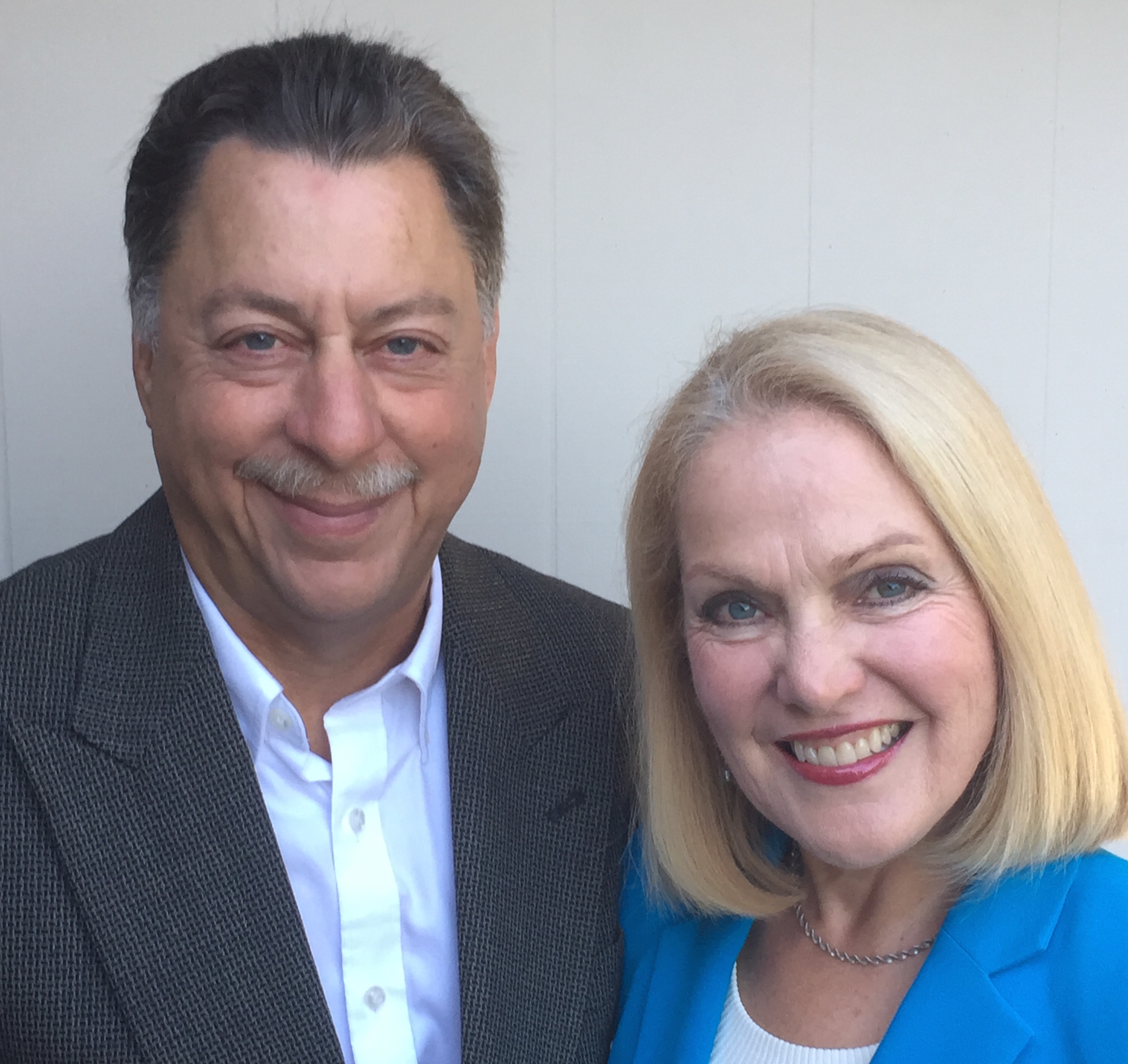
 

Dr. Mikol Davis and Carolyn Rosenblatt, co-founders of AgingInvestor.com

Carolyn Rosenblatt, RN, Elder Law Attorney offers a wealth of experience with aging to help you create tools so you can skillfully manage your aging clients. You will understand your rights and theirs so you can stay safe and keep them safe too.

Dr. Mikol Davis, Psychologist, Gerontologist offers in depth of knowledge about diminished financial capacity in older adults to help you strategize best practices so you can protect your vulnerable aging clients.

They are the authors of "Succeed With Senior Clients: A Financial Advisors Guide To Best Practice," and "Hidden Truths About Retirement And Long Term Care," available at AgingInvestor.com offers accredited cutting edge on-line continuing education courses for financial professionals wanting to expand their expertise in best practices for their aging clients. To learn more about our courses click HERE

The Way To Prevent Panic When Your Client Is Cognitively Impaired: Senior-Specific Policies

The Way To Prevent Panic When Your Client Is Cognitively Impaired: Senior-Specific Policies

You've probably had an aging client or a few of them who had you worried. They are increasingly forgetful. Maybe they called you multiple times a day and didn't remember that you had already answered their question. Perhaps they are not following anything in the conversations you have with them. After the fact, you are scratching your head, trying to figure out what to do with that client.

Regulators have not mandated that firms and individual advisors have policies that specifically address age-related issues with their clients, but they strongly urge it. One of the first things they want you to do is to have several trusted third party contacts in every client's file so you can contact someone in the event that your client becomes impaired.

Regulators want you to recognize the warning signs of financial abuse. They want you to keep your clients financially safer, mainly because they are more vulnerable than your younger clients. They want you to deal with privacy concerns but offer little guidance except for when you see abuse. What to do about financial abuse is not yet a regulation, though it will be.

How many firms have taken even these basic proactive policy steps to keep aging clients safer? From what we read and observe, not many. It takes time. You won't be directly paid for doing it. Maybe you think you can just wait until "something happens" before you do anything to change the status quo. That is a bigger risk than you want to take.

An aging client can fall into cognitive impairment without you noticing. They can be in a dire situation before you have had a chance to think about what to do proactively. Waiting for a crisis is not the style of a competent financial advisor nor any manager. What should you do?

First, you need to do as the regulators recommend: start putting together a plan for those clients who may become impaired for financial decisions. And plan for what to do when you see financial abuse happening. Next, you need to have a uniform path for escalation and contacting a third party. This requires more minds than one. Your mission of client protection needs to be clear and that must drive policy. Legal input is essential to this process. Privacy is a legal issue that can be dealt with when you have a legally sufficient privacy waiver in hand, standardized for every client. Finally, you need to commit your policy to writing and ensure that everyone you work with will follow it.

Develop this yourself or get a kit with the whole thing done for you in a template. Doing so will keep you alert for aging client issues at the beginning, not after things are a mess and you are trapped with that incapacitated client. Learn more about the policy-in-a-box, our Program Initiator at AgingInvestor.com.


Dr. Mikol Davis and Carolyn Rosenblatt, co-founders of AgingInvestor.com

Carolyn Rosenblatt, RN, Elder Law Attorney offers a wealth of experience with aging to help you create tools so you can skillfully manage your aging clients. You will understand your rights and theirs so you can stay safe and keep them safe too.

Dr. Mikol Davis, Psychologist, Gerontologist offers in depth of knowledge about diminished financial capacity in older adults to help you strategize best practices so you can protect your vulnerable aging clients.

They are the authors of "Succeed With Senior Clients: A Financial Advisors Guide To Best Practice," and "Hidden Truths About Retirement And Long Term Care," available at AgingInvestor.com offers accredited cutting edge on-line continuing education courses for financial professionals wanting to expand their expertise in best practices for their aging clients. To learn more about our courses click HERE

Retirement Rate of Withdrawal: How The Cost of Help at Home May Be Hidden

Retirement Rate of Withdrawal: How The Cost of Help at Home May Be Hidden

Some retirement plans are based on the theory that drawdown should be at 4% a year and that there "might be" some higher medical costs near the end of a person's life span. This is a very flawed way to look at retirement! If you, the advisor are telling your clients that they can expect level spending throughout retirement years and that they can only anticipate a "maybe" for increased medical costs toward the end of their years, you are not giving them reality.

The truth is that many people suffer gradual declines in their independence over time, throughout retirement. This is particularly the case for those who have never embraced a particularly healthy lifestyle. What happens to them? They have to start paying out of pocket for things that are not considered "medical costs"; i.e., those things most folks require to stay at home, rather than go into an institution. This can start with a home care worker. If a person reaches age 80, for example, and has arthritis, which is the number one cause of disability in the U.S., she may need help with bathing, dressing and walking, among other things. Medicare does not pay for the kind of helper she will need to remain in own home. The national median hourly rate is $20, according to the Genworth Cost of Care Survey. Are you planning for this cost with your clients?

The 80-year-old with arthritis may need a knee replacement or hip replacement. Following either surgery, there is an expected period of disability during which a person will likely need a lot of help. Medicare pays for some rehabilitation but that benefit will most probably be limited to a few weeks, at most, while the recovery period at home may be much longer. Again there is an out of pocket cost for help at home that is not covered by Medicare.

This is just one example of a disabling condition that will require increased spending in retirement for your clients. Many aging people have multiple medical conditions at the same time, thereby increasing the likelihood that they will need to draw out more money in retirement than what many advisors calculate as level spending over those retirement years. I hope you can see the flaws in this kind of planning.

You can do better! When you do retirement planning, be sure to help clients understand what they probably don't want to face: most people will need some kind of paid help as they reach age 80 and beyond. Some will need to pay for help much sooner than age 80. This help is not about level drawdown. It is about increased out of pocket costs that are not considered "medical costs" by Medicare. Medicare supplements do not cover these costs either.

If you are thinking that it's not a problem because their "fun" spending will slow down as they become more disabled, think again. Travel is not precluded for disabled people. Nor are luxury goods, expensive cars, or other things people like to have as a part of their lifestyle in retirement. Helping your clients understand the need for restraining spending and planning for out of pocket non-medical costs of care is a much-needed service you can provide.

Strengthen your knowledge about the hidden costs of long-term care with aging at AgingInvestor.com.


Dr. Mikol Davis and Carolyn Rosenblatt, co-founders of AgingInvestor.com

Carolyn Rosenblatt, RN, Elder Law Attorney offers a wealth of experience with aging to help you create tools so you can skillfully manage your aging clients. You will understand your rights and theirs so you can stay safe and keep them safe too.

Dr. Mikol Davis, Psychologist, Gerontologist offers in depth of knowledge about diminished financial capacity in older adults to help you strategize best practices so you can protect your vulnerable aging clients.

They are the authors of "Succeed With Senior Clients: A Financial Advisors Guide To Best Practice," and "Hidden Truths About Retirement And Long Term Care," available at AgingInvestor.com offers accredited cutting edge on-line continuing education courses for financial professionals wanting to expand their expertise in best practices for their aging clients. To learn more about our courses click HERE

How Do You Advise Clients Who Plan To Self-Insure For Long Term Care?

How Do You Advise Clients Who Plan To Self-Insure For Long Term Care?

How Do You Advise Clients Who Plan To Self-Insure For Long Term Care?

By Carolyn Rosenblatt, RN, Elder law attorney, AgingInvestor.com

Of course, your clients think they will never need long term care and they likely resist talking with you about it. Retirement planning is much more fun when you're discussing cash flow, travel and leisure, and being free from the responsibility of work. And then there's this thing called reality: retirement is not all fun.

Here at AgingInvestor.com, we offer you the benefit of our experience in dealing with countless families with aging folks among them. The adult children are our most frequent clients in our companion endeavor, AgingParents.com, and the stories they tell us are a jarring wake-up call for anyone. No one expects to need to be taken care of so no one wants to look at how frighteningly expensive it is.

For the moment, let's leave aside the issue of long term care insurance. (My husband and I bought it if that's an indication of what I think about the subject). Knowing that so few people bite the bullet and shell out those premium dollars, we are looking at the vast majority of clients who choose to self-insure against the risk of needing to pay for long term care. What are you telling them about this prospect? What do you say about their risks?

Here is one thing every advisor with a retirement-age client who chooses to self-insure should know: health status at retirement matters. A lot. Maybe you think that your client's health is not your business, as you're in the money management field. Maybe you see the health questions as being outside your area of expertise and you want nothing to do with the subject. It's personal after all. And so is running out of money and needing care.

Measuring risk in investment products is at the heart of your job. If you want to add true value to your client's engagement with you, an elementary look at the client's health status at retirement is also part of your job. There is a direct correlation between chronic health issues and the likely need for long term care. I do not suggest that you need to be an expert or have any health background. You need your two eyes, your ears, and your common sense to ask a few essential questions. Those questions and the answers will give you some solid ground to stand on when you talk with a client about planning for this potential expense and how likely it is that the client will need this care. They may or may not listen to you, but if you fail to give them the facts, you are not serving them well.

Here are some of the essential questions you need to bring up when you talk with them about retirement, the long view, living past 80, and how long their assets can be expected to last.

  1. How is your health, generally speaking? Do you have any chronic conditions like heart problems or diabetes?
  2. Do you smoke?
  3. Has any doctor ever given you any warnings about your health or what you should do differently now?

With your client's answers, you then can progress to the discussion about why he or she probably has a higher risk than someone else without that problem/ condition/smoking history of needing long term care. At least a third of our population will need to pay for it at some point in their lives. Those with chronic illness may have to pay for long term care for years and years. It would also be helpful for you to do some calculations for your client. This is the "just in case, let's imagine you have to pay for a helper at home" conversation.

If you feel awkward about how to bring this up, what questions to ask and how to talk about the dollars involved in long term care we can help you. Our newest book, Hidden Truths About Retirement & Long Term Care: The Guide For Financial Professionals is loaded with tips, sample scripts and all the costs of different kinds of long term care spelled out for you. Get your copy here today so you can put your mind at ease!


Dr. Mikol Davis and Carolyn Rosenblatt, co-founders of AgingInvestor.com

Carolyn Rosenblatt, RN, Elder Law Attorney offers a wealth of experience with aging to help you create tools so you can skillfully manage your aging clients. You will understand your rights and theirs so you can stay safe and keep them safe too.

Dr. Mikol Davis, Psychologist, Gerontologist offers in depth of knowledge about diminished financial capacity in older adults to help you strategize best practices so you can protect your vulnerable aging clients.

They are the authors of "Succeed With Senior Clients: A Financial Advisors Guide To Best Practice," and "Hidden Truths About Retirement And Long Term Care," available at AgingInvestor.com offers accredited cutting edge on-line continuing education courses for financial professionals wanting to expand their expertise in best practices for their aging clients. To learn more about our courses click HERE

Three Things You Need To Know About “Out Of Pocket Medical Costs” In Retirement

Three Things You Need To Know About “Out Of Pocket Medical Costs” In Retirement

You're trying to help the sixty-something clients plan for what they can anticipate spending for medical care in the future. You tell them about the average amounts a couple retiring at age 65 will need. The language seems fuzzy. Are you, the advisor, completely clear about what the term means when you say "out of pocket medical costs"?

That which is "medical" and what is paid by Medicare does not seem to be clear to many financial professionals we've interviewed. If you want to help your clients plan adequately for retirement, here are some critical points you need to make with them.

Medicare never paid for what it calls "custodial care". This is not medical care by Medicare's definition. It did not cover it in the past and it does not pay for it now. There is a distinct and very important difference between what it covers and what most people need over the long run in their retirement years. If your idea of "out of pocket medical costs" is hazy, let's clear it up right now. This is a list of things Medicare doesn't pay for, which just happen to be the most common things people need as they age. This is only a partial list.

 Nursing home ("rehab") after a limited number of days. The maximum coverage depends not on how sick the client is, nor how much help they really need due to such disabling conditions as a stroke, nor how they feel. It depends solely on what the nursing home administration decides about whether they are continuing to make the right kind of progress. That progress must require skilled care which can be nursing, physical, speech or occupational therapy. There may be 100 days available for coverage, but this does not mean that all of it will be covered or that the person will get that much in the rehab facility. If it is decided that there is not enough progress, the person's care is termed "custodial" and they are cut off from Medicare.

Home Care. Millions of people who are released from a nursing home after surgery, an emergency or a fall, for example, need help at home either short term or long term. Medical events change us and can rob us of complete independence. There is a false belief around that Medicare will cover what you need if you have to have home care. This is true only for a very short time and only if skilled, licensed nurses or therapists are needed at home. Most of the time, a person is cut off from help when leaving a facility and has to pay for home care out of pocket. The national average hourly rate is $20, which can eat up one's assets quickly in a fairly short time frame.

Help at home to stay out of a care facility. A lot of folks think they'll live to be 100 years of age. No one discusses with them what it would mean to live that long without being completely independent. Help costs money. Many people assume that family or someone will take care of them if care is needed. But not everyone is willing to or capable to undertake what is often a serious burden. Even when family does take on caregiving, they need a break, and relief. Then help from outside must be hired. Without constant help many older people would have to be in a care facility. Does it make sense that when assets are largely all spent, Medicaid will pay for a nursing home but Medicaid will not pay for preventing the need for a nursing home, a far more economical alternative? Of course not, but that's how it works.

The Takeaways

Fully two thirds of us will need long term care at some point in our lives. Unless the client is the rare one with long term care insurance, there is no way to pay for long term care other than to do so out of pocket. Sometimes this depletes all the client's assets and leaves them with no choices in the last part of their lives. For those who live into their 90s and beyond, the need for some kind of long term care by family or a facility seems almost inevitable. Your clients need to stop pretending that it's not going to happen to them, and you, the professional must steer them in the direction of saving and anticipating this need as much as you can. They will resist! Keep trying. Educate yourself first. You can get all the facts and figures you need to have a wise conversation with your older clients in our new book, Hidden Truths About Retirement & Long Term Care. Get your copy now and start adding value to those retirement discussions with your clients.

Click HERE to order.

By Carolyn Rosenblatt, RN, Elder law attorney, AgingInvestor.com


Dr. Mikol Davis and Carolyn Rosenblatt, co-founders of AgingInvestor.com

Carolyn Rosenblatt, RN, Elder Law Attorney offers a wealth of experience with aging to help you create tools so you can skillfully manage your aging clients. You will understand your rights and theirs so you can stay safe and keep them safe too.

Dr. Mikol Davis, Psychologist, Gerontologist offers in depth of knowledge about diminished financial capacity in older adults to help you strategize best practices so you can protect your vulnerable aging clients.

They are the authors of "Succeed With Senior Clients: A Financial Advisors Guide To Best Practice," and "Hidden Truths About Retirement And Long Term Care," available at AgingInvestor.com offers accredited cutting edge on-line continuing education courses for financial professionals wanting to expand their expertise in best practices for their aging clients. To learn more about our courses click HERE