Mar 25, 2016 | aging, aging investor, diminished cognition, elder investor, elderly, finances for elders, financial capacity, financial elder abuse, handling money for aging parents, handling money for seniors, investor, scammers, senior citizen investor, senior investor, seniors finances
There is something about memory loss that should raise a red flag when it comes to your aging clients and their investments. Are you prepared?
By 2030, there will be 72.1 million people in the U.S. over age 65, or “elders”. 7.7 million of them will have Alzheimer’s Disease (AD). This directly translates to a large number of impaired clients making or attempting to make financial transactions and decisions. Some of those transactions could be with you.
According to respected researcher, attorney and neuropsychologist at the University of Alabama, Burmingham, Dr. Daniel Marson, losing capacity for financial decisions is something we need to be ready for, as it affects a huge part of our population. The problem is growing. Financial institutions, organizations and banks need to take preventive steps to avoid financial losses and exploitation of their clients.
What are the implications for the financial services industry? Demographics and dementia demonstrate that policies need to change and institutions need to explicitly plan for diminished financial capacity in their investors. We’re not just talking about escalating a matter to compliance when a client seems to be behaving oddly. We are suggesting that institutions and organizations get over the brick wall excuse that it’s not their problem, it’s the family’s problem. Financial professionals need to change the thinking that privacy concerns prevent them at all times from doing anything unless the client gives permission. A client who is impaired for decision-making may not be willing or able to give permission for you to discuss a problem with family until it is too late. Getting permission needs to be a proactive mandate.
Privacy does not have to be a problem if your organization, institution, or you, as an individual plan for the possibility of diminished capacity as a part of all investment transactions. That planning will include obtaining a special authorization for the financial services professional to contact a designated person when certain criteria are met. That, of course, means thinking through, with the input of aging experts, the criteria that would trigger the use of the special authorization.
Further, one should develop an agreed upon plan of action for the financial professional when the criteria that demonstrate diminished capacity are identified. This will take collaboration among all the players in institutions, so that policy development is uniform, regulation-compliant, and fair to the aging person who may be developing impairment.
Most importantly, a secure path of communication and action for the institution needs to be in place. No one with a questionable aging client should be left wondering:
Should I escalate this to compliance now, or does it take more?
Do I have the authority to contact a family member, or does that violate my client’s privacy and the laws about privacy?
What steps should I take now to protect myself?
Clients with memory loss are likely going to become impaired for making financial decisions at some point. Do you want to lose the assets under your management because your aging investor can’t figure out what you are saying and can’t approve what you need to do to protect him from disaster? We see an absolute connection, based on very solid research, between the dangerous red flag of memory loss and financial loss.
If you have heard the term “sliver tsunami” you may know that it refers to the massive wave of aging folks in our population. In case you haven’t noticed, it has already hit and your feet are getting wet.
Get a one page checklist you can use to identify ten signs of diminished capacity by clicking HERE. Be ready for aging clients and know what to do!

Dec 15, 2015 | aging, aging investor, elderly
When your clients spend time during this season with their aging loved ones, let them know that it’s an opportunity to look out for signs that a loved one needs help. Some things are possible tipoffs that they should get involved in helping monitor their aging parents’ spending, giving and susceptibility to scams. Educating them about these signs gives the client the impression that you understand and that you care. Your Boomer clients may have parents or other relatives in their 80’s, 90’s and beyond. You can help both clients and their aging family members stay safer.
Encourage them to watch out for these three signs when they see loved ones at their parents’ homes:
- Evidence of unpaid bills. Older folks begin to lose the capacity to keep track of finances very early in the process of any form of dementia. If bill collectors are calling, or they see dunning notices, that is a red flag. They could be forgetting what to pay or when to pay a bill. Insurance can be cut off, utilities can be stopped and a lot of other consequences flow from this forgetfulness. Adult children can help by offering to do the bill paying, putting it online or otherwise keeping watch over bills. Your Boomer clients could be stuck with having to support their aging parents if the elders lose the ability to manage their money.
- Too much “charitable” giving to anyone who asks. Scammers call seniors and pose as anybody from anywhere. Unsuspecting elders believe them and do not check out the validity of the charity they claim to represent. Remind your clients to caution their senior loved ones to ask for detailed information about anyone who solicits them, including name, address and phone number. They should to call the charity and verify that the solicitation was from them.
- Evidence of a new “friend” who seems overly involved in an aging parent’s life, especially if he or she has access to personal information such as Social Security number, credit cards and bank accounts. There are predators out there waiting for a chance to get to the money and run. Particularly with a parent who has memory loss, manipulation and theft are all too easy for a person just hanging around waiting for an opportunity to steal. At AgingInvestor.com we suggest that adult children closely monitor seniors’ accounts and question anything odd immediately.
Client education needs to be about more than what products will yield the best return and how to make money last. It has to be about your client’s life too. And since regulators want all advisors to educate clients about issues that affect them, this is one perfect for the educational effort. Feel free to copy this email and send it out modified a bit, with your name on it. Your clients will appreciate you!

Aug 29, 2015 | aging, aging investor, elder investor, elderly, finances for elders, handling money for aging parents, handling money for seniors, senior citizen investor, senior investor, seniors finances
3 Ways To Talk With Aging Parents About Finances
One benefit of the increasing life expectancies for Americans is that more people have bonus years for enjoying the company of their aging parents.
But all is not rosy. Those extended years also boost the odds that parents could go broke or suffer from dementia and be unable to make financial decisions for themselves.
That can leave adult children perplexed about when and whether they should step in and find out what’s happening with their parents’ money, says Carolyn Rosenblatt, a registered nurse and elder law attorney.
“Unfortunately, it’s not always easy to have those conversations,” says Rosenblatt, co-author with her husband, Dr. Mikol Davis, of The Family Guide to Aging Parents (www.agingparents.com) and Succeed With Senior Clients: A Financial Advisors Guide To Best Practices.
“Some stubborn parents just refuse to talk about their money. No matter what their adult children say to them, they put it off, change the subject or tell their children it’s none of their business.”
Of course, many adult children aren’t in any particular hurry to broach the subject either, says Davis, a clinical psychologist and gerontologist.
“They have their own discomfort about it and procrastinate,” he says. “Then a crisis comes up and no one has any idea what the parents have or where to find important documents.”
But Rosenblatt and Davis say it’s critical that these conversations take place so that the offspring can gather information about such subjects as the parent’s income and expenses, where legal documents are kept, and what kind of medical or long-term-care insurance the parent might have.
The success of these conversations often comes down to how you approach the subject, Rosenblatt and Davis say. They offer a few tips:
- End the procrastination by picking a date for the talk. Make an appointment with yourself to bring up the subject at a specific time. An opportune time to schedule this is after a birthday, a family event or a holiday where other family members are together who may share in the responsibility for the aging parents in the future.
- Show respect. Tell your parents you understand and respect their reluctance to discuss their finances. You can even make the conversation about yourself rather than about them. Say that you’re concerned that if something went wrong, you would be completely lost as to how to help them.
- Address their fears head-on. Let them know you understand they are worried that if they talk about their finances their independence might be taken away. You might add that you want them to maintain their independence as long as possible and you’re willing to help accomplish that, but you can’t do it without the correct information.
“Getting past an aging parent’s fear about talking about finances can be daunting,” Rosenblatt says. “But a well-planned strategy for approaching the subject will give you your best chance.”
About Carolyn Rosenblatt and Dr. Mikol Davis
Carolyn Rosenblatt and Dr. Mikol Davis are co-authors of The Family Guide to Aging Parents (www.agingparents.com) and Succeed With Senior Clients: A Financial Advisors Guide To Best Practices. Rosenblatt, a registered nurse and elder law attorney, has more than 45 years combined experience in her professions. She has been quoted in the New York Times, Wall Street Journal, Money magazine and many other publications. Davis, a clinical psychologist and gerontologist, has more than 44 years experience as a mental health provider. In addition to serving his patients, Davis creates online courses and products to assist professionals and the public with understanding aging issues. Rosenblatt and Davis have been married for 34 years.
|
|
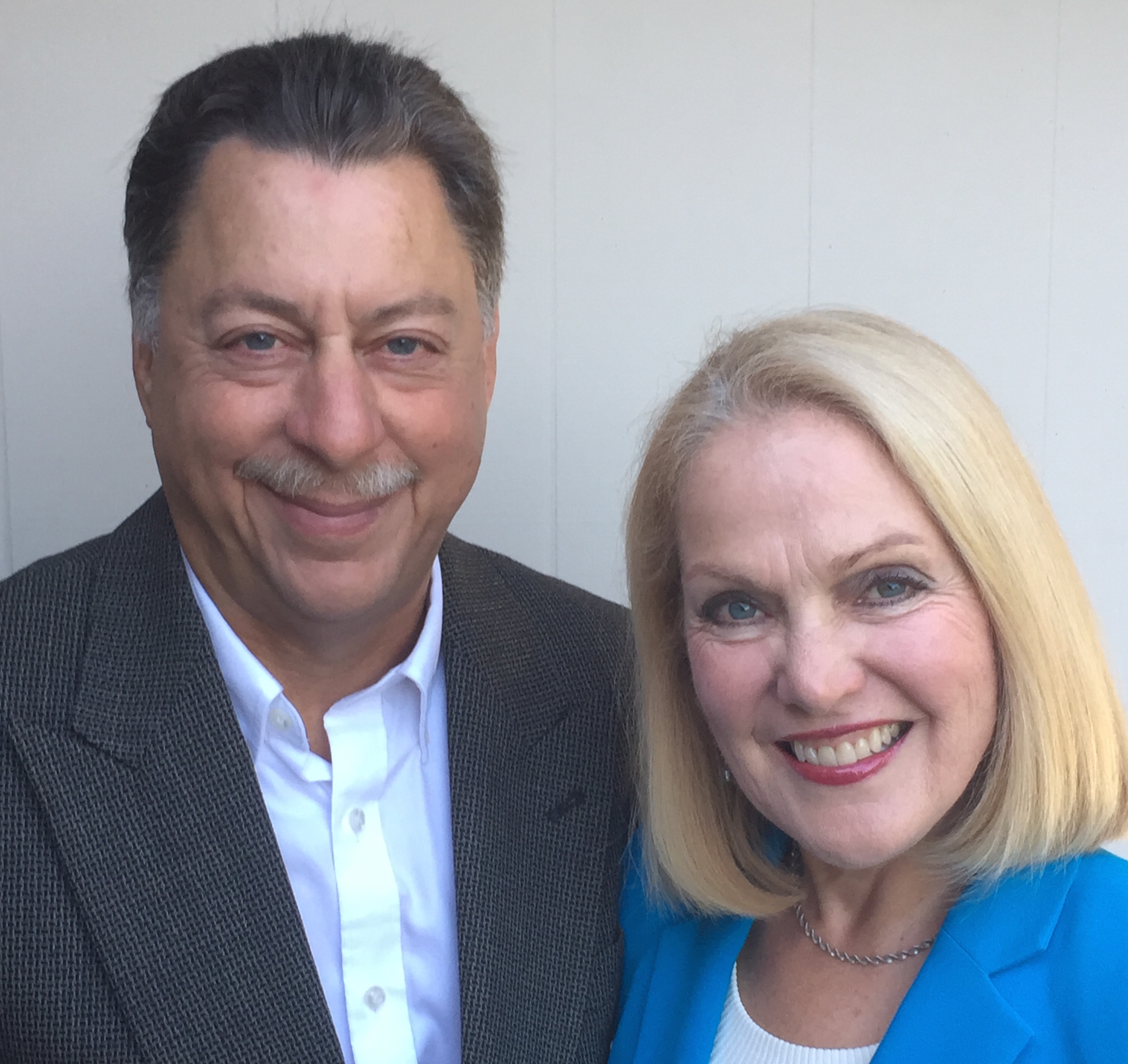
Dr. Mikol Davis and Carolyn Rosenblatt, co-founders of AgingInvestor.com
Carolyn Rosenblatt, RN, Elder Law Attorney offers a wealth of experience with aging to help you create tools so you can skillfully manage your aging clients. You will understand your rights and theirs so you can stay safe and keep them safe too.
Dr. Mikol Davis, Psychologist, Gerontologist offers in depth of knowledge about diminished financial capacity in older adults to help you strategize best practices so you can protect your vulnerable aging clients.
They are the authors of "Succeed With Senior Clients: A Financial Advisors Guide To Best Practice," and "Hidden Truths About Retirement And Long Term Care," available at AgingInvestor.com offers accredited cutting edge on-line continuing education courses for financial professionals wanting to expand their expertise in best practices for their aging clients. To learn more about our courses click HERE
|