

Retirement Rate of Withdrawal: How The Cost of Help at Home May Be Hidden

Retirement Rate of Withdrawal: How The Cost of Help at Home May Be Hidden

Some retirement plans are based on the theory that drawdown should be at 4% a year and that there "might be" some higher medical costs near the end of a person's life span. This is a very flawed way to look at retirement! If you, the advisor are telling your clients that they can expect level spending throughout retirement years and that they can only anticipate a "maybe" for increased medical costs toward the end of their years, you are not giving them reality.

The truth is that many people suffer gradual declines in their independence over time, throughout retirement. This is particularly the case for those who have never embraced a particularly healthy lifestyle. What happens to them? They have to start paying out of pocket for things that are not considered "medical costs"; i.e., those things most folks require to stay at home, rather than go into an institution. This can start with a home care worker. If a person reaches age 80, for example, and has arthritis, which is the number one cause of disability in the U.S., she may need help with bathing, dressing and walking, among other things. Medicare does not pay for the kind of helper she will need to remain in own home. The national median hourly rate is $20, according to the Genworth Cost of Care Survey. Are you planning for this cost with your clients?

The 80-year-old with arthritis may need a knee replacement or hip replacement. Following either surgery, there is an expected period of disability during which a person will likely need a lot of help. Medicare pays for some rehabilitation but that benefit will most probably be limited to a few weeks, at most, while the recovery period at home may be much longer. Again there is an out of pocket cost for help at home that is not covered by Medicare.

This is just one example of a disabling condition that will require increased spending in retirement for your clients. Many aging people have multiple medical conditions at the same time, thereby increasing the likelihood that they will need to draw out more money in retirement than what many advisors calculate as level spending over those retirement years. I hope you can see the flaws in this kind of planning.

You can do better! When you do retirement planning, be sure to help clients understand what they probably don't want to face: most people will need some kind of paid help as they reach age 80 and beyond. Some will need to pay for help much sooner than age 80. This help is not about level drawdown. It is about increased out of pocket costs that are not considered "medical costs" by Medicare. Medicare supplements do not cover these costs either.

If you are thinking that it's not a problem because their "fun" spending will slow down as they become more disabled, think again. Travel is not precluded for disabled people. Nor are luxury goods, expensive cars, or other things people like to have as a part of their lifestyle in retirement. Helping your clients understand the need for restraining spending and planning for out of pocket non-medical costs of care is a much-needed service you can provide.

Strengthen your knowledge about the hidden costs of long-term care with aging at AgingInvestor.com.
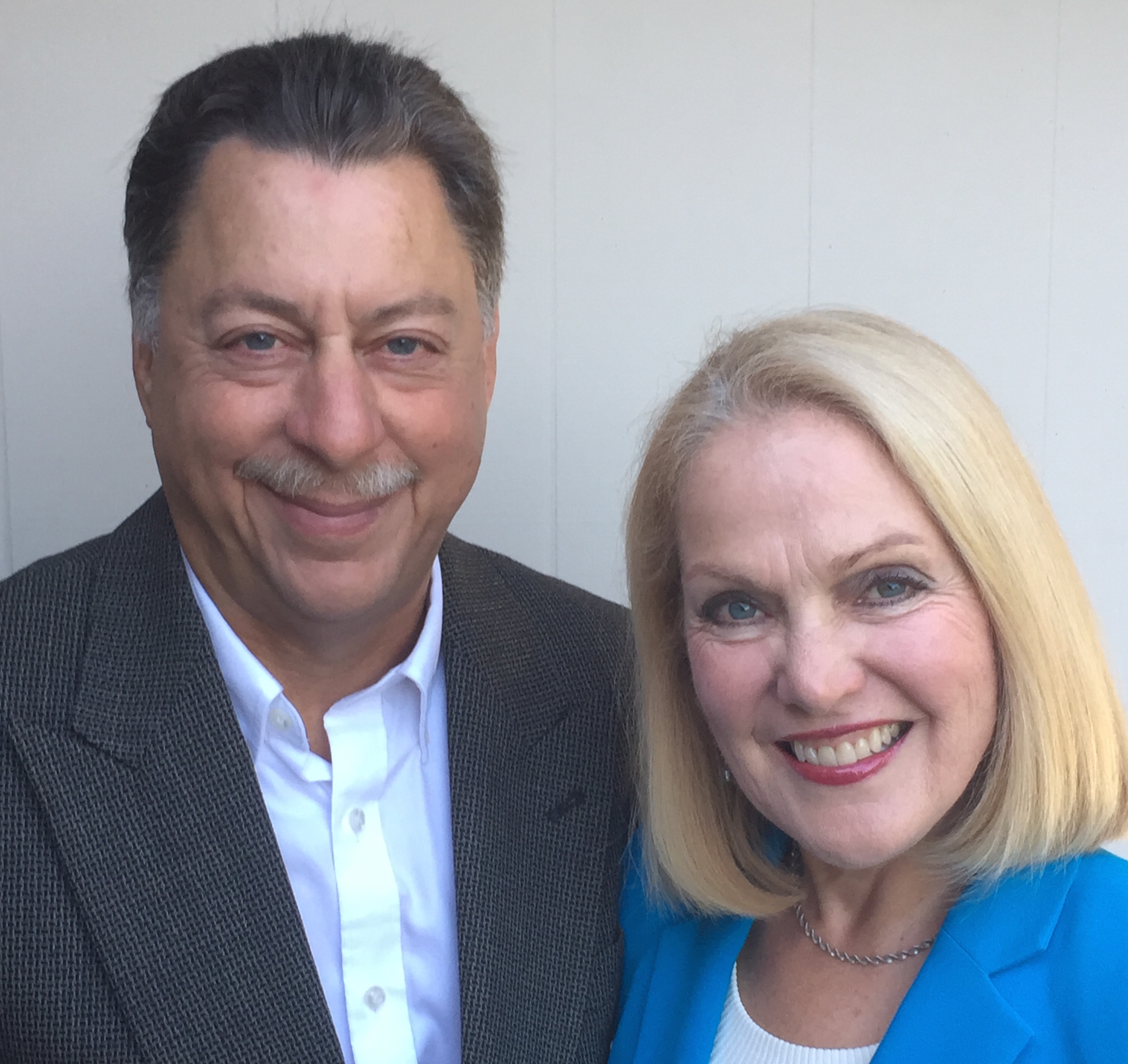
 

Dr. Mikol Davis and Carolyn Rosenblatt, co-founders of AgingInvestor.com

Carolyn Rosenblatt, RN, Elder Law Attorney offers a wealth of experience with aging to help you create tools so you can skillfully manage your aging clients. You will understand your rights and theirs so you can stay safe and keep them safe too.

Dr. Mikol Davis, Psychologist, Gerontologist offers in depth of knowledge about diminished financial capacity in older adults to help you strategize best practices so you can protect your vulnerable aging clients.

They are the authors of "Succeed With Senior Clients: A Financial Advisors Guide To Best Practice," and "Hidden Truths About Retirement And Long Term Care," available at AgingInvestor.com offers accredited cutting edge on-line continuing education courses for financial professionals wanting to expand their expertise in best practices for their aging clients. To learn more about our courses click HERE

3 Ways To Talk With Aging Parents About Finances

3 Ways To Talk With Aging Parents About Finances

3 Ways To Talk With Aging Parents About Finances

One benefit of the increasing life expectancies for Americans is that more people have bonus years for enjoying the company of their aging parents.

But all is not rosy. Those extended years also boost the odds that parents could go broke or suffer from dementia and be unable to make financial decisions for themselves.

That can leave adult children perplexed about when and whether they should step in and find out what’s happening with their parents’ money, says Carolyn Rosenblatt, a registered nurse and elder law attorney.

“Unfortunately, it’s not always easy to have those conversations,” says Rosenblatt, co-author with her husband, Dr. Mikol Davis, of The Family Guide to Aging Parents (www.agingparents.com) and Succeed With Senior Clients: A Financial Advisors Guide To Best Practices.

“Some stubborn parents just refuse to talk about their money. No matter what their adult children say to them, they put it off, change the subject or tell their children it’s none of their business.”

Of course, many adult children aren’t in any particular hurry to broach the subject either, says Davis, a clinical psychologist and gerontologist.

“They have their own discomfort about it and procrastinate,” he says. “Then a crisis comes up and no one has any idea what the parents have or where to find important documents.”

But Rosenblatt and Davis say it’s critical that these conversations take place so that the offspring can gather information about such subjects as the parent’s income and expenses, where legal documents are kept, and what kind of medical or long-term-care insurance the parent might have.

The success of these conversations often comes down to how you approach the subject, Rosenblatt and Davis say. They offer a few tips:

  • End the procrastination by picking a date for the talk. Make an appointment with yourself to bring up the subject at a specific time. An opportune time to schedule this is after a birthday, a family event or a holiday where other family members are together who may share in the responsibility for the aging parents in the future.
  • Show respect. Tell your parents you understand and respect their reluctance to discuss their finances. You can even make the conversation about yourself rather than about them. Say that you’re concerned that if something went wrong, you would be completely lost as to how to help them.
  • Address their fears head-on. Let them know you understand they are worried that if they talk about their finances their independence might be taken away. You might add that you want them to maintain their independence as long as possible and you’re willing to help accomplish that, but you can’t do it without the correct information.

“Getting past an aging parent’s fear about talking about finances can be daunting,” Rosenblatt says. “But a well-planned strategy for approaching the subject will give you your best chance.”


About Carolyn Rosenblatt and Dr. Mikol Davis

Carolyn Rosenblatt and Dr. Mikol Davis are co-authors of The Family Guide to Aging Parents (www.agingparents.com) and Succeed With Senior Clients: A Financial Advisors Guide To Best Practices. Rosenblatt, a registered nurse and elder law attorney, has more than 45 years combined experience in her professions. She has been quoted in the New York Times, Wall Street Journal, Money magazine and many other publications. Davis, a clinical psychologist and gerontologist, has more than 44 years experience as a mental health provider. In addition to serving his patients, Davis creates online courses and products to assist professionals and the public with understanding aging issues. Rosenblatt and Davis have been married for 34 years.


Are Advisors Miscalculating Retirement Medical Costs?

Are Advisors Miscalculating Retirement Medical Costs?

Are Advisors Miscalculating Retirement Medical Costs?

According to CNN Money, a 65-year-old, healthy couple can expect to spend $266,600 on out of pocket costs for Medicare premiums in retirement. If that's the advice you give clients about what needs to be set aside for medical expenses you're missing some major facts.

Medicare premiums are a relatively small part of what it can cost when health issues arise as people age. No one likes to discuss the subject of possible cognitive impairment, but it has to be done. We see it as the financial advisor's responsibility to bring it up, include medical expenses in the overall financial plan and get the truth out on the table.

According to a Wealth Management article on August 30, 2016, Fidelity Investments did a survey of over 350 advisors and found that 96 percent felt unprepared to help clients who had Alzheimer's disease. This is in contrast to the reality that a person's chances of developing the disease are at least one in three from age 85 and above. And we are living longer than ever in history. More centenarians, more Alzheimer's.

What is the real cost of caring for a person with Alzheimer's? I interviewed a high end home care agency owner about this question. Many HNW people do not have long term care insurance as they plan to pay for whatever they need out of pocket. Most are not aware of the cost of best quality 24/7 care they could need with their own longevity. In our work at AgingInvestor.com, we have encountered this scenario and have seen what best quality care looks like. It's not your average home care agency.

The cost for caring for one person at home with Alzheimer's from that agency is $300,000 per year. The workers are specially trained and well supervised. A care manager develops a plan and the workers take their shifts, prepared to deal with all manner of difficult dementia-related behavior, including violent acts and words, wandering out the door, refusing to bathe as well as those who are unable to express themselves verbally any longer. Non-specialty home care agencies do not accept this degree of client behavioral difficulty out of fear of their workers being harmed.

The ultra HNW client can pay for these costs but for everyone else, the expenses incurred with care for a progressive disease that escalates in difficulty over time could be devastating. The cost of home care is in the category "long term care" an often poorly understood subject among those outside the health care and insurance fields.

If you have clients who are at retirement age or are retired, it is a necessity that you educate them about these risks to their savings. When you work with them on their plans, you need to include the possibility, very real, that one or the other of a retired couple could develop dementia and need expensive home care. If you think they should just go onto Medicaid, think again. Every state has different rules but in all states a person can't have much left in the way of assets and savings in order to qualify for Medicaid. And most importantly, people typically want to stay at home as they age. The quality of care they are likely to receive on Medicaid for long term Alzheimer's care is low, and likely to be in a nursing home. No one wants that!

The takeaways

  1. In developing retirement plans for clients consider the risk that your client may develop Alzheimer's disease or related dementia. Bring it up and talk about it.
  1. Plan for significant savings to be set aside in case care is needed, not just for Alzheimer's but for any long term condition or disabling illness requiring help. Use real numbers, not vague assumptions.
  1. Do not underestimate the real costs of caring for a person with this kind of dementia. It can last as long as 20 years. Do the math for your clients and show them what they would need to be cared for at home with a long term expensive illness like Alzheimer's.

The responsibility to know about long term care costs is yours. To learn more about Alzheimer's and how to spot the warning signs, get a free checklist to get you started at AgingInvestor.com.

Financial Advice Your Boomer Clients May Need

Financial Advice Your Boomer Clients May Need

Are you considering the issue of Boomers having to care for their aging loved ones in retirement? You've probably done a good job with helping clients be ready for retirement age, but every financial professional needs to consider a massive problem we now face. Our oldest old are living longer than anyone expected and they can run out of resources. Their adult children might have to care for, pay for or take in their aging parents.

Years before, the parent probably extracted a vow from the adult child your client, (typically a daughter) "promise you'll never put me in one of those homes".  And the daughter, without much thought replied, "Of course Mom. I'd never do that".  How time changes things.

The concept of "being put in a home" is vague, based on largely outdated notions our elders have of ugly warehouses for the poor, something conjured not just out of an English novel, but out of the way things once actually were in some places, long before Medicare and Medicaid existed to ensure at least some care for our elders. We did neglect older impoverished people and place them in poorly regulated homes.

Things are supposed to be better now, with the rise of public benefits, and government regulations over skilled nursing facilities, all designed to keep residents safe and in a somewhat dignified existence. The intended outcome of these regulations does not always meet reality. The cost of caregiving for all but the lowest income in our society is borne by the elders themselves if they have the funds or by their families if the parent has limited means.  .

Advisors may discuss with retirement-age clients that Medicare doesn't cover all the costs of medical treatment that clients themselves may need as they age. But few advisors have the foresight to ask their clients if they anticipate also having to pay the cost of care and out of pocket medical expenses for their parents too.

We have a 94 year old mother in law. She's in decent health, and has the means to cover what she needs now and in the future. We're among the fortunate ones. Years ago, we and my husband's parents made a joint investment that pays enough income for her, now widowed, to live on. She can cover health emergencies, home care, expensive medications and whatever downturns her health may bring. She has savings as well. This is not how it works for the average person in our country. Perhaps your clients are wealthy but their parents might not be.

Some folks solve the issue of what to do by bringing the aging parent into their homes and providing or paying for care themselves. This multi-generation household approach is a cost effective way to house an aging parent with limited resources and cover many expenses that would otherwise have to be borne by the elder who just might be low income by the time they reach the age of 94, like she did in my family.

Bringing in the aging parent to live with you is not a solution for everyone, but one worth considering. If you broach the subject with your Boomer clients, you can get them thinking about this. Longevity is increasing steadily and it is going to affect those whose parents live longer than anyone thought they would. The takeaway here is for you, the financial professional to ask them about it.

Here are some basic questions you should ask:

"Do you anticipate having to pay for support for anyone else during your retirement years? Are your parents living? How is their health these days? What would you do if they got low on funds and needed care? Have you thought about what it would cost to care for them?"

Learn more about how your clients need to discuss finances with their own aging family members at AgingInvestor.com in Succeed With Senior Clients, A Financial Advisor's Guide to Best Practices. You'll be doing a great service and prudent planning when you initiate the discussion they need to have.

Why Won’t Aging Clients Talk to Their Adult Kids About Finances?

Why Won’t Aging Clients Talk to Their Adult Kids About Finances?

We all know that financial abuse and undue influence are problems with our elders. We also know that better, more frequent and clearer communication about financial matters in families can do a great deal to protect the aging family members. But they’re not talking.

 
We have research to reveal how much of a problem this is. What is shows is that only a minority of seniors are sharing their financial information with their kids and the adult children are finding that aging parents are reluctant to have these money conversations.