

Do Your Older Clients A Favor: Warn Them About This Scam

Do Your Older Clients A Favor: Warn Them About This Scam

Attempts to scam money from seniors never stop. And the thieves keep getting better at thinking up ways to extract information from older folks. Here’s another one—a different phony Medicare trick.

People hear ads on TV about genetic testing and how it can predict disease and protect them. They also hear ads that they’re not getting all the Medicare benefits they deserve. Who doesn’t want to get all the benefits they should get? It’s a perfect moment for scammers.

They may call your retirement-aged client and tell them that new genetic testing is available that Medicare will pay for, worth thousands of dollars. Of course, all your client has to do is to give them their Social Security number and the free testing kit, signup papers, or other inducement will be mailed to them immediately.

Let’s be clear: Medicare does not pay for genetic testing as a “new benefit”. If for any reason such testing were needed, a physician would order it and explain why it was needed. Such testing would not be ordered without any discussion with one’s MD.

Your client should never, ever give out a Social Security number or other personal information such as date of birth or address over the phone. Your client must never accept a genetic testing kit not ordered by one’s own doctor. If it is accepted and the cheek swab, DNA test or anything else is given to the sender, your client may be billed directly, potentially incurring a debt for thousands of dollars. It would be a sad day for your client to mail in a claim for reimbursement to Medicare for a fake benefit and realize that the claim is denied. They’re on the hook for the full price.

These kinds of scams are used to get information to commit identity theft and Medicare fraud. No matter how smart your client is, anyone can be caught off guard and tricked.

What Advisors Can Do

Here are some ways to let your client know you care about their financial safety.

  1. Prepare a friendly form letter to send to all clients over age 65 and inform them about this scam. Warn them not to fall for it.
  2. Keep abreast of all the latest scams in over 30 categories at the Federal Trade Commission, which explains what they are and how they work. Keep clients advised.

If identity theft has happened, direct your client to the Federal Trade Commission website for instruction on what to do.

Carolyn Rosenblatt, RN, Elder law attorney, AgingInvestor.com

About Carolyn Rosenblatt and Dr. Mikol Davis

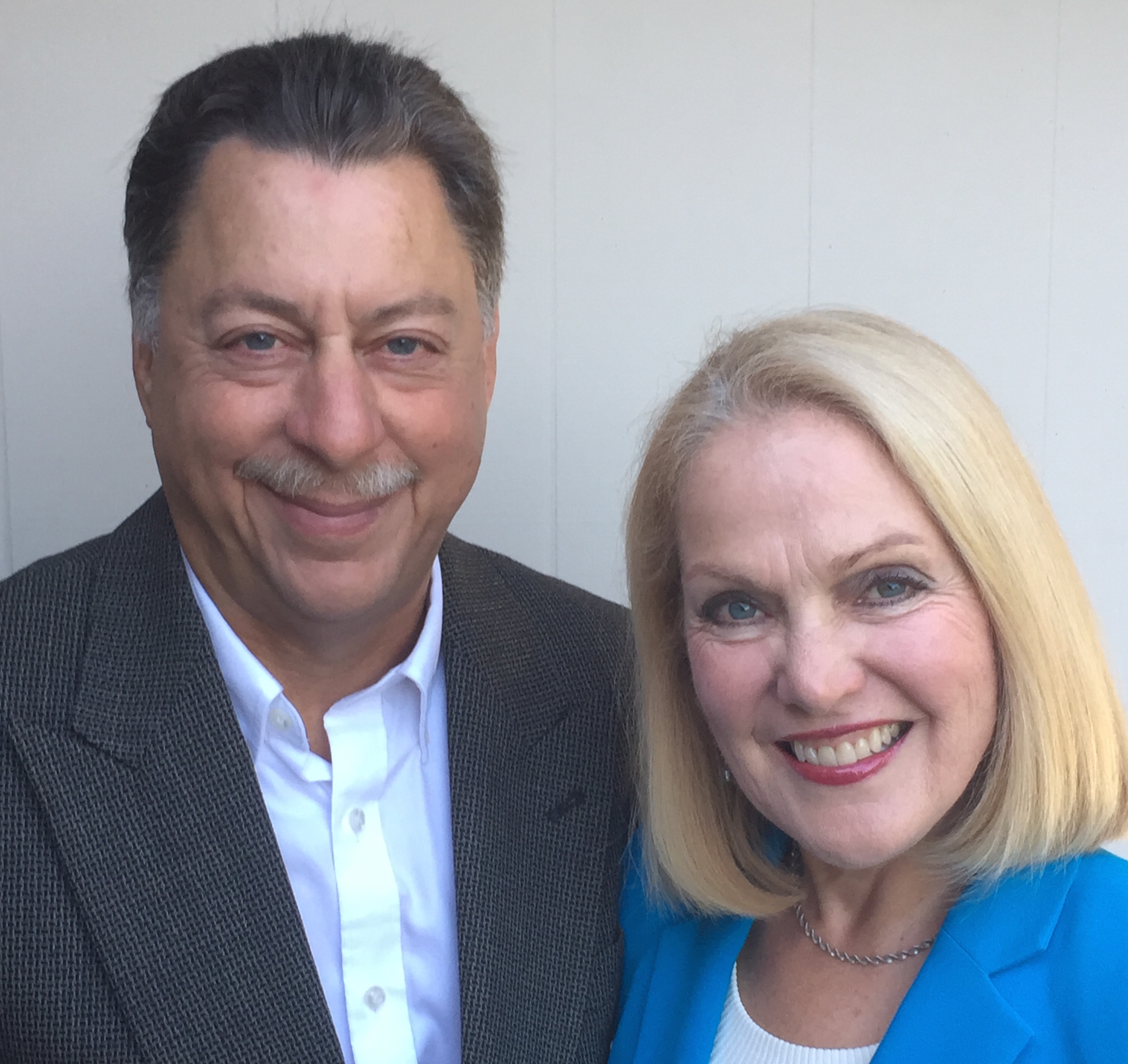
Carolyn Rosenblatt and Dr. Mikol Davis are co-authors of The Family Guide to Aging Parents (www.agingparents.com) and Succeed With Senior Clients: A Financial Advisors Guide To Best Practices. Rosenblatt, a registered nurse and elder law attorney, has more than 45 years combined experience in her professions. She has been quoted in the New York Times, Wall Street Journal, Money magazine and many other publications. Davis, a clinical psychologist and gerontologist, has more than 44 years experience as a mental health provider. In addition to serving his patients, Davis creates online courses and products to assist professionals and the public with understanding aging issues. Rosenblatt and Davis have been married for 34 years.

 

How Much Should You Plan On For Retirees’ “Out of Pocket Medical Costs”?

How Much Should You Plan On For Retirees’ “Out of Pocket Medical Costs”?

How Much Should You Plan On For Retirees' "Out of Pocket Medical Costs"?

For those outside the caregiving world, there is a lot of confusion about this cost. Calculations abound in retirement planning circles for helping your clients ensure that they have enough for the things they are likely to need medically. The usual calculations outline Medicare Part A premiums (deducted from Social Security payments), Medicare Part B supplemental health insurance premiums, also called "Medigap" and for medication expenses, as some are not covered my Medicare. In plain English, this means that your client's Social Security is less to them when the Medicare payment comes out and they have to pay out of pocket for the other kind of insurance that covers outpatient care, clinic and doctor visits, as well as prescription meds.

OK what's wrong with these calculators? Can't you rely on them? I think for an unusually healthy person who is your client, one who needs little care and has no chronic illnesses, they would be fine. I'm not sure where the folks making up the calculations get their statistics but I think they grossly underestimate the real costs of out of pocket medical care in retirement.

From personal experience with thousands of elders I visited at home as a nurse over a career, I did not see much of the unusually healthy. What I did see was the average person then taking numerous medications, having multiple chronic conditions and being at risk for those getting worse with age. And now, decades later, we live longer, have more health risks as a result of greater longevity and we have to pay more for the problems that go along with living to be 100. We have better diagnostics and we can catch and treat conditions more. That means more out of pocket expenses for those exotic tests Medicare will not cover. That also means more and more drugs being prescribed to manage and control chronic illness. They work, but we pay. You would be amazed at what Medicare does not cover.

Here's the message I want every retirement planning advisor to heed: you cannot predict how much out of pocket medical expense your client will have unless you really know a lot about both their genetic disposition and their health habits and condition. And then it's only an educated guess. How educated are you?

We do know that the way we age is about 30% due to our genetics. The other 70% of the picture is directed by how we choose to live. That means what we eat, how much we move our bodies, how we manage stress, how we socialize and how we succeed or not in our relationships with others. All of these factors affect our health and longevity and consequently, how much it's going to cost to keep living with conditions like heart disease, diabetes, cancer, hypertension, arthritis, etc.

We haven't even touched on the subject of Alzheimer's disease. If you are calculating out of pocket medical I'll bet you never calculate what it costs to care for someone at home 24/7 with specialized skill for dealing with this devastating disease. It can last 20 years. Nursing home care and caring for a person with any serious illness at home is long term care. That is not in the calculations in those handy tables describing the out of pocket medical costs for an average couple retiring at the age of 65 and living to be 85.

Here's an example. Mort is 95. He has multiple health issues and early dementia. He can't do anything by himself. He has 4 caregivers in shifts every day in his home. He isn't sure he wants to keep going but he doesn't want to stop the numerous medications he takes to stay alive. It costs over $250,000 a year just for the caregivers, not for the other costs of housing, utilities, transportation via handicap van and such. And the out of pocket medical is still there. The dentist, the hearing aids, the medications that no insurance pays for, the stair lift, the ramp on the front of the house, the high-end wheelchair and more.

If you want to help your clients plan so they won't run out of assets, you'll need to be realistic. Lots of cash may need to be available at the later end of life. It is more likely than not. Forget reliance on a calculator or use one that has the highest number you can find. Then add on expenses like Mort's and you're on the right track.

Get a lot more detail on caregiving, costs of care and what is needed as we age in The Family Guide to Aging Parents: Answers to Your Legal, Healthcare and Financial Questions. Check it out here.

Carolyn Rosenblatt, RN, Elder law attorney & Dr. Mikol Davis, Gerontologist

AgingInvestor.com and AgingParents.com


Dr. Mikol Davis and Carolyn Rosenblatt, co-founders of AgingInvestor.com

Carolyn Rosenblatt, RN, Elder Law Attorney offers a wealth of experience with aging to help you create tools so you can skillfully manage your aging clients. You will understand your rights and theirs so you can stay safe and keep them safe too.

Dr. Mikol Davis, Psychologist, Gerontologist offers in depth of knowledge about diminished financial capacity in older adults to help you strategize best practices so you can protect your vulnerable aging clients.

They are the authors of "Succeed With Senior Clients: A Financial Advisors Guide To Best Practice," and "Hidden Truths About Retirement And Long Term Care," available at AgingInvestor.com offers accredited cutting edge on-line continuing education courses for financial professionals wanting to expand their expertise in best practices for their aging clients. To learn more about our courses click HERE

One Man’s Shock At His Adult Children’s Neglect When He Needed Them

One Man’s Shock At His Adult Children’s Neglect When He Needed Them

All his life Philip worked hard and was successful. He amassed wealth beyond expectations. He gave generously to all of his kids, buying them homes and bestowing money gifts. In fact giving kids money was the only way he really knew how to show he cared. Expressing love in other ways was not his thing. He and his wife lived a luxurious lifestyle: country club, exotic vacations, lavish parties, fancy cars. She ran the house and he ran the flourishing business.

It all looked great when he retired. Until his wife developed Alzheimer's disease. Things began to fall apart when he was78, with a wife becoming increasingly dependent and in need of care. He wasn't used to running the house. Things descended into disrepair. Then his vision got cloudy and his hearing started to go.

He expected his adult children to step up and be there. But entitled kids, used to having Dad hand them things without having to work for them, never did take much responsibility. If they needed something, Dad would just buy it for them. Now Dad needed more from them but none of them had ever learned about giving back. Communication was poor. If the conversation wasn't about money, no one had much to talk about.

Things broke down among the family members. They were never good at talking to each other or to their parents about anything of substance. Now that the parents were both in need of help they could not rely on their adult children to work on household management, or budgeting for care or doing needed repairs.

Philip found himself depressed. He looked at what he had created, all the wealth, all the things and somehow he felt a loss. Financial success had not led to family success.

But he decided to act. He decided that this part of his life was going to be meaningful before his end and he set to work.

He gathered his adult children in his home for a meeting. He was frank with them and revealed how sad and disappointed he felt. He revealed his fears, something he had never done. He told them he expected more from them. The kids looked at each other somewhat sheepishly. They admitted that they had been off in their own worlds. They told their father how much they wanted to be closer but just didn't know how. They asked him to be open to telling them he loved them. He asked them to express more caring by showing up and pitching in. The paid caregivers for the parents were great but they were not there all the time.

Agreements were made. Some stumbling and awkwardness happened at first. But as the next month passed, the kids finally started to show up with a schedule. And empty talk was replaced by family history, expressions of thanks and acknowledgment to each other of the changes they were making.

The last years for Philip were much better. He was able to express his feelings in ways he had never done before. Maybe age just made him not care about what people might think. It had a profound effect on his family. All of them grew closer, in spite of their differences. They learned to accept each other far better, led by Philip.

Philip passed away in peace at age 84. His story is one to share with any child who grew up in wealth and any parent who did not expect enough of the kids in a younger day. Adult children can learn to give more to parents as they age and become more vulnerable. Parents can learn to express love and affection apart from cash and objects. It's not too late in your advanced years to change for the better.

Carolyn Rosenblatt, RN, Elder Law Attorney, & Dr. Mikol Davis, Gerontologist co-founder of AgingInvestor.com

Smart Retiree’s 10 Point Checklist

Smart Retiree’s 10 Point Checklist

You're in the planning business. You look ahead, analyze, budget and calculate. But your clients may not be on the same page in your view of the future, especially when they retire. They are busy being in denial that they may ever get ill and die. You can help them. In doing so, it may also make your job of talking about such issues as long-term care, budgeting and spending easier.

Many of us in this society have a very negative image about aging in general. We don't want to be "old". It is fueled by advertising on TV, movies, print media and other outlets with a consistent message: aging is bad, being younger and turning back the clock is good. We are a work ethic driven culture. When we are older and no longer "productive" we are generally seen as less valuable.

Then there is the fear and denial about dying and death. Our culture has been called the only one in the world that thinks of death as something optional. Note how we talk about it to family--"in case anything ever happens to me..." Besides it being a fantasy that maybe "something" won't happen to us, it keeps us from planning, from preparing our loved ones and from being responsible about our older years, possible declining health and the burden ignoring these things can put on our families. Reaching retirement age is a time to do planning about more than money.

Most people do not want to burden their loved ones. Most of them do not want to trouble adult children unnecessarily as they age. That is your best selling point for bringing up some important personal matters. These include how every senior and every retiree needs to plan for things in their own lives that go beyond how much money they've saved and how it will be spent having a great retirement. Has your client signed a Durable Power of Attorney document? Given the family all they would need in an emergency? Talked about who should keep the records and stored information all the heirs would need if your client becomes impaired? These are not about money particularly. These subjects are about responsibility and life cycle.

Here at AgingInvestor.com we see the messes people leave behind when they nurture the Great American Fantasy that losing independence won't happen to them and that they will live happily to age 100 and die peacefully in their sleep. Family members can spend years cleaning up the disaster their older loved ones leave because of failure to plan and simply provide access to information. It is truly not fair to anyone. It leads to anger, resentment, family conflicts and sometimes to loss of wealth through ignorance. We've heard it and seen it countless times.

To empower every retiree, we put a retiree's checklist together to help people avoid these disasters created by the fantasy. We want you to help them use it.

How can you do this?

You can give your clients this checklist next time you sit with them and review the portfolio. You can gently urge them to do what the list says is needed. We've broken down the essentials into 10 points, a "to do" list if you will. You can encourage them to take care of the items on the list, if they haven't already. In general, the to do list includes updating the estate plan, having critical documents in the right hands, providing necessary financial, computer and account information to trusted family and having a family meeting to educate one's heirs about the older person's affairs. This is how your client gets a family ready. This is how they avoid unduly burdening anyone. This is how they free their loved ones from distress and unnecessary work when they have to take action as an aging parent declines and passes away.

Some of your clients will brush off your suggestion. They love that Great American Fantasy and aren't about to give it up. Others will thank you as they have thanked us and will go forward. Their families will be forever grateful. You'll look like the caring, smart and responsible planner that you are. Get your free Smart Retiree's 10 Point Checklist now by clicking here.


By Carolyn Rosenblatt, RN, Elder Law Attorney, & Dr. Mikol Davis, Gerontologist co-founder of AgingInvestor.com

Why Won’t Aging Clients Talk to Their Adult Kids About Finances?

Why Won’t Aging Clients Talk to Their Adult Kids About Finances?

We all know that financial abuse and undue influence are problems with our elders. We also know that better, more frequent and clearer communication about financial matters in families can do a great deal to protect the aging family members. But they’re not talking.

 
We have research to reveal how much of a problem this is. What is shows is that only a minority of seniors are sharing their financial information with their kids and the adult children are finding that aging parents are reluctant to have these money conversations.