

Three Things Every Advisor Must Do With Cognitively Impaired Clients

Three Things Every Advisor Must Do With Cognitively Impaired Clients

Everyone is going to have someone in your book, sooner or later, who has cognitive decline. Studies tell us that the average advisor has at least 7 clients with some form of cognitive impairment now. We’d bet that when you became an advisor, your education did not give you guidance about what to do when you see the warning signs of decline in a client’s mental function. With increasing longevity, we have a problem like never before.

What are you supposed to do about it? Isn’t this the family’s problem? In truth, it’s not just the family’s issue—it’s an issue for everyone in an elder’s life, including the financial advisor. There are three essentials everyone should be doing to keep yourself and your client safer.

  1. For openers, you, the advisor must be familiar with the warning signs of cognitive impairment. At AgingInvestor.com, we offer a free downloadable checklist of these red flags, so you can keep it and use it as a guide. Please do. You can’t ignore these signs, as they are very likely to worsen over time. When your client is too “out of it” to make decisions, you are in trouble.
  2. Have two or three trusted contacts in your client’s file. If you have never asked for even one, now is the time. Make it part of your office policy, your task at a portfolio review, or what you decide to do this week because you are a smart, plan-ahead person. Why two or three? Because family members are often named first and family, unfortunately, are the ones who steal from aging folks most often. One of the contacts should be outside the family.
  3. Get written permission from your client to speak to their estate planning attorney, their accountant and any other professional involved in managing their affairs. This can be extremely helpful to you as a client begins to show those red flags. All of the professionals can act together to protect the client, get an appointed surrogate decision maker in place or otherwise reduce the risks of financial fraud and abuse. All it takes to give permission is a letter from your client, a simple but very important step you must take. Draft it for the client, ask him or her to sign and do it. 
                                                                                                                     
    The point of this action is to protect a vulnerable client from getting ripped off, from failing to attend to financial business, and from the neglect of basics that often accompanies this kind of mental impairment. You don’t need to be a hero. You do need to be a professional in the way you treat these older clients. And remember that if the client is “losing his marbles” and money gets drained by predators, decimating the portfolio, the family may look to you if you failed altogether to act. Remember, their inheritance could be at stake.

For more on working with your aging clients, check out our book, Succeed With Senior Clients: A Financial Advisor’s Guide to Best Practices.
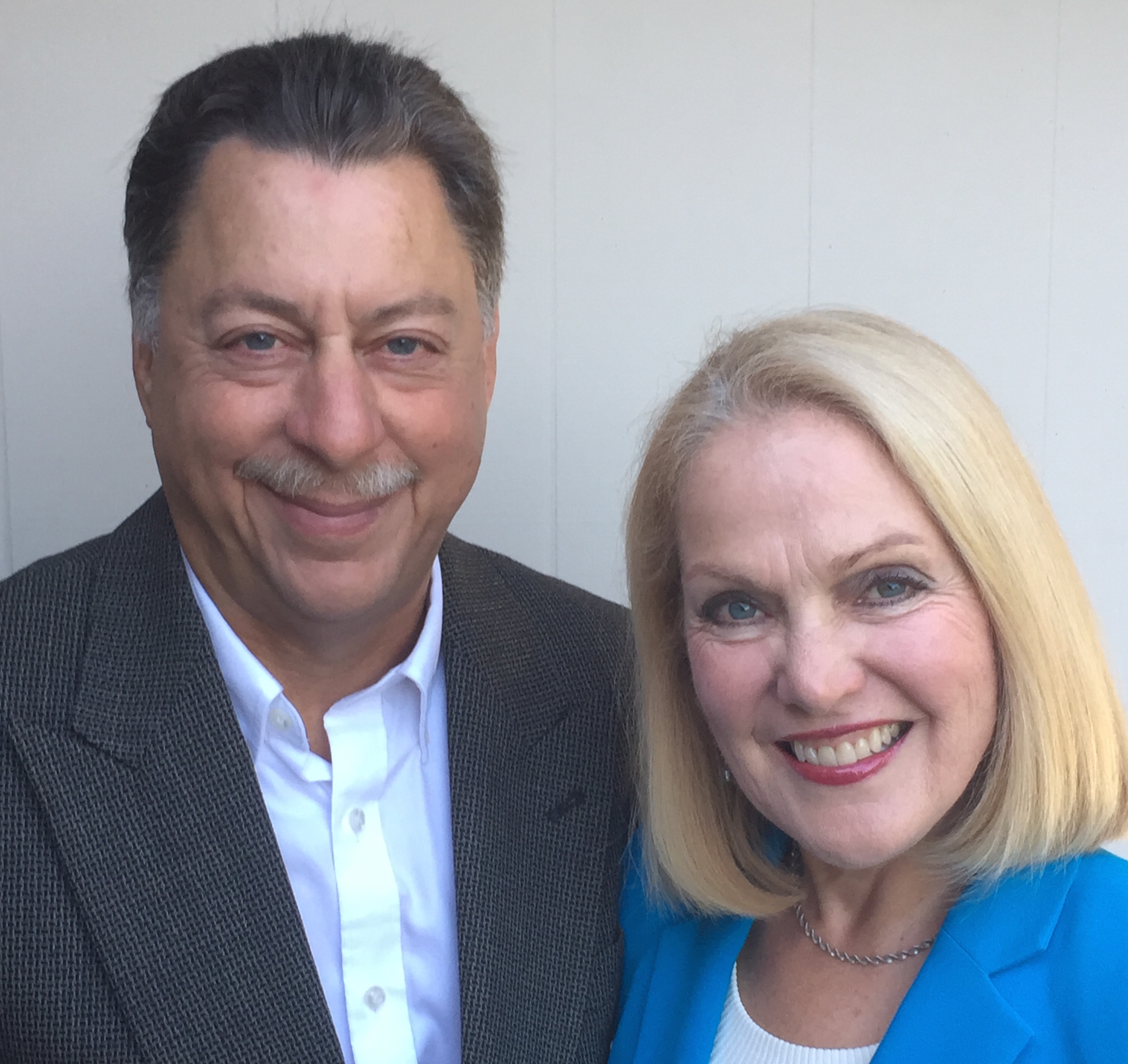
 

Dr. Mikol Davis and Carolyn Rosenblatt, co-founders of AgingInvestor.com

Carolyn Rosenblatt, RN, Elder Law Attorney offers a wealth of experience with aging to help you create tools so you can skillfully manage your aging clients. You will understand your rights and theirs so you can stay safe and keep them safe too.

Dr. Mikol Davis, Psychologist, Gerontologist offers in depth of knowledge about diminished financial capacity in older adults to help you strategize best practices so you can protect your vulnerable aging clients.

They are the authors of "Succeed With Senior Clients: A Financial Advisors Guide To Best Practice," and "Hidden Truths About Retirement And Long Term Care," available at AgingInvestor.com offers accredited cutting edge on-line continuing education courses for financial professionals wanting to expand their expertise in best practices for their aging clients. To learn more about our courses click HERE

How Much Should You Plan On For Retirees’ “Out of Pocket Medical Costs”?

How Much Should You Plan On For Retirees’ “Out of Pocket Medical Costs”?

How Much Should You Plan On For Retirees' "Out of Pocket Medical Costs"?

For those outside the caregiving world, there is a lot of confusion about this cost. Calculations abound in retirement planning circles for helping your clients ensure that they have enough for the things they are likely to need medically. The usual calculations outline Medicare Part A premiums (deducted from Social Security payments), Medicare Part B supplemental health insurance premiums, also called "Medigap" and for medication expenses, as some are not covered my Medicare. In plain English, this means that your client's Social Security is less to them when the Medicare payment comes out and they have to pay out of pocket for the other kind of insurance that covers outpatient care, clinic and doctor visits, as well as prescription meds.

OK what's wrong with these calculators? Can't you rely on them? I think for an unusually healthy person who is your client, one who needs little care and has no chronic illnesses, they would be fine. I'm not sure where the folks making up the calculations get their statistics but I think they grossly underestimate the real costs of out of pocket medical care in retirement.

From personal experience with thousands of elders I visited at home as a nurse over a career, I did not see much of the unusually healthy. What I did see was the average person then taking numerous medications, having multiple chronic conditions and being at risk for those getting worse with age. And now, decades later, we live longer, have more health risks as a result of greater longevity and we have to pay more for the problems that go along with living to be 100. We have better diagnostics and we can catch and treat conditions more. That means more out of pocket expenses for those exotic tests Medicare will not cover. That also means more and more drugs being prescribed to manage and control chronic illness. They work, but we pay. You would be amazed at what Medicare does not cover.

Here's the message I want every retirement planning advisor to heed: you cannot predict how much out of pocket medical expense your client will have unless you really know a lot about both their genetic disposition and their health habits and condition. And then it's only an educated guess. How educated are you?

We do know that the way we age is about 30% due to our genetics. The other 70% of the picture is directed by how we choose to live. That means what we eat, how much we move our bodies, how we manage stress, how we socialize and how we succeed or not in our relationships with others. All of these factors affect our health and longevity and consequently, how much it's going to cost to keep living with conditions like heart disease, diabetes, cancer, hypertension, arthritis, etc.

We haven't even touched on the subject of Alzheimer's disease. If you are calculating out of pocket medical I'll bet you never calculate what it costs to care for someone at home 24/7 with specialized skill for dealing with this devastating disease. It can last 20 years. Nursing home care and caring for a person with any serious illness at home is long term care. That is not in the calculations in those handy tables describing the out of pocket medical costs for an average couple retiring at the age of 65 and living to be 85.

Here's an example. Mort is 95. He has multiple health issues and early dementia. He can't do anything by himself. He has 4 caregivers in shifts every day in his home. He isn't sure he wants to keep going but he doesn't want to stop the numerous medications he takes to stay alive. It costs over $250,000 a year just for the caregivers, not for the other costs of housing, utilities, transportation via handicap van and such. And the out of pocket medical is still there. The dentist, the hearing aids, the medications that no insurance pays for, the stair lift, the ramp on the front of the house, the high-end wheelchair and more.

If you want to help your clients plan so they won't run out of assets, you'll need to be realistic. Lots of cash may need to be available at the later end of life. It is more likely than not. Forget reliance on a calculator or use one that has the highest number you can find. Then add on expenses like Mort's and you're on the right track.

Get a lot more detail on caregiving, costs of care and what is needed as we age in The Family Guide to Aging Parents: Answers to Your Legal, Healthcare and Financial Questions. Check it out here.

Carolyn Rosenblatt, RN, Elder law attorney & Dr. Mikol Davis, Gerontologist

AgingInvestor.com and AgingParents.com


Dr. Mikol Davis and Carolyn Rosenblatt, co-founders of AgingInvestor.com

Carolyn Rosenblatt, RN, Elder Law Attorney offers a wealth of experience with aging to help you create tools so you can skillfully manage your aging clients. You will understand your rights and theirs so you can stay safe and keep them safe too.

Dr. Mikol Davis, Psychologist, Gerontologist offers in depth of knowledge about diminished financial capacity in older adults to help you strategize best practices so you can protect your vulnerable aging clients.

They are the authors of "Succeed With Senior Clients: A Financial Advisors Guide To Best Practice," and "Hidden Truths About Retirement And Long Term Care," available at AgingInvestor.com offers accredited cutting edge on-line continuing education courses for financial professionals wanting to expand their expertise in best practices for their aging clients. To learn more about our courses click HERE

Danger! Your Client Has Serious Memory Problems

Danger! Your Client Has Serious Memory Problems

Have you ever found yourself in a situation with an older client who can't seem to remember anything any more? You may have known the client over a number of years and feel responsible. But you are at a loss now. What are you supposed to do with this client? She's pleasant and just loves you. But you are worried.

You are pretty sure your client is experiencing a slow, but steady cognitive decline. She has a daughter in another state but maybe she isn't paying attention to what is going on with mom. She has a son she's not close to, though he lives in the same area she does. You asked her once if she had someone to be her agent, her power of attorney. She hadn't gotten around to that yet.

No one acts. No one insists that your client choose a relative or friend and sign the Durable Power of Attorney document. She says he doesn't want to talk about it and you just back off and never mention it again. You suspect she may have Alzheimer's disease, from your experience with your own family member.

Here is what can happen to your client.

She steadily loses judgment about what is a good thing to spend money on or invest in; therefore, bad decisions happen. We have observed savvy and intelligent clients who were once financially comfortable start falling for obvious scams. They buy worthless coins or stamps or fly-by-night property investments that take their money and disappear. Perhaps no one knows because the elder is in the secrecy habit. Time passes and the client's cognitive ability declines even more. There is no stopping dementia caused by Alzheimer's disease.   The predators find an easy mark. As long as there is cash to spend or credit cards to run up, the elder keeps getting into deeper and deeper trouble. Unquestionably, financial decimation can result.

These situations are real. Here at AgingInvestor.com, we're in the consulting business. We have talked to the families of elders who have probably been impaired for years, hearing them say they wished someone had done something sooner. No one but the financial professional knew what the client had nor where his money was going. The family thought the elder's finances were fine. Now, with too much drained out by excessive giving, the family may well end up having to support their aging relative just at the time when extensive care is needed and the expense of it skyrockets.

How do you prevent the worst? By engaging in discussion with your client's family or appointed other early in your relationship. If you have an ongoing connection with that trusted person in your client's life, you stand a better chance of protecting her from dumb and destructive decisions if her mind starts to go, later on in life. Even if you can't imagine how a perfectly alert, intelligent person could get dementia, it happens to millions of people as they live longer. 5.6 million of them are diagnosed with the disease right now in the U.S. alone. The risk rises with age.

If you have never had conversations with your older clients' families, now is the time to start. You need to educate your client about the importance of having someone else named by her for you to reach out to if she gets sick or has an accident.

You need to develop the skill of conducting family meetings while each client is fully competent. Even if a client has a few memory lapses now it is not too late to have a meeting with family to figure out the path forward in case of trouble ahead. This is a "soft skill" every advisor needs. If you want to learn how to conduct a family meeting or get better at this, you can learn the techniques in a hour.

Putting these skills to work takes some practice. It is especially important to know what to do when a client's family is difficult, or there is a history of conflict among them. That's tricky and you will need some outside help. Get a one hour accredited crash course on conducting successful family meetings by clicking here.


By Carolyn Rosenblatt, RN, Elder Law Attorney, & Dr. Mikol Davis, Gerontologist co-founders of AgingInvestor.com

How Can You Tell If Your Client Has Diminished Capacity?

How Can You Tell If Your Client Has Diminished Capacity?

How good are you at spotting the telltale signs of diminished capacity in an older client? Many older people have a bit of difficulty remembering. We often dismiss this when we see it, thinking it's "just getting old". It may be part of aging, as we do process things more slowly as we age and recall may take longer. But, there is a point when a problem recalling things should be a red flag for diminished capacity for you, the advisor.   What are those red flags anyway? How do we label them? There are numerous signs of diminished capacity, more extensive than this article allows, but we'll look at one category, which we call cognitive signs. Here's a breakdown of what you should look for when your client has a lot of difficulty remembering things.

What to note and document about memory loss

This is one of the first things most advisors may notice in a client that causes concern. Perhaps she does not remember important meetings, decisions and discussions. Here are some examples of what you may see:   Multiple telephone calls in one day that are repetitive and do not make sense. The client forgets that she has already talked with you and is calling about the same thing in another call to you. She repeats a question she already asked you and that you already answered.   Client forgets why he has an appointment with you. This can be by telephone or in person. Perhaps the client himself asked for the meeting but then he forgets why. Or perhaps you wanted to discuss a proposed transaction with him and told him that, but when you call or he comes into your office, he has no idea why he is there. Trying to refresh his memory about it does not help.   Complete forgetting of an event that just took place. You just spent a hour with your client telling her some important information about upcoming changes to her portfolio. She seemed to understand when you were talking but an hour later she asks you questions as if the meeting you just had never took place. She had totally forgotten about it.   No shows. You have arranged meetings, appointments with others or events that require your client's participation. He agrees on the pre-arranged date and time but then does not show up. When you call him, he has no recollection of the event, that others are involved nor that he had agreed to this.

If your client demonstrates any of these indicators you need to be paying close attention and make an effort to contact your client more often than you did before you noticed these problems. Any or all of them might be warnings of developing dementia. There could be other reasons for memory loss, but you won't know unless you are keeping good records. The only way to determine if you have a serious problem here is to track these signs over time and document each instance you see.   If the problem gets worse, it is time to take it to the next level. In your organization that might mean escalation, or having the documentation reviewed by a committee. Ideally, as we see it, the next step should include contacting the client's appointed trusted third party who would step in when the client became impaired.   To learn more about diminished capacity and just what you should do about it, click here. An hour of accredited learning on the course Best Practices for Clients With Diminished Capacity will make you a lot wiser in your approach.

By Carolyn Rosenblatt, RN, Elder Law Attorney, & Dr. Mikol Davis, Gerontologist co-founder of AgingInvestor.com

What Should You Say To A Client With Diminished Capacity?

What Should You Say To A Client With Diminished Capacity?

We've all had them. Those clients who seem to be more and more forgetful. They're with it some of the time and other times, not so much. They call you multiple times asking the same questions. They repeat their stories to you. It gets scary is when they start wanting to do dumb things with their money.

Unfortunately most firms do not have clear and specific protocols for you to follow when a client begins to show those telltale signs that he's slipping mentally. Or that she is flat out vulnerable to manipulation by some unscrupulous person. You see it, but what can you say? You just carry on hoping it will get better or that family will take care of it. But that doesn't happen. Then what?

At AgingInvestor.com we think it is far too dangerous for you to simply ignore the problem, or expect someone else to take care of it for you. If a scammer takes Dad, you will know when those strange and unexplained large withdrawals start coming out of his account. Family can reasonably expect that you will do something to keep your client, their father safe financially. That's fair enough, but how do you start?

First, you need to document every instance of anything that you observe that shows you that your client's ability to make financial decisions is becoming impaired. You don't need to be an expert to see what's obvious. Multiple phone calls in one day with the same question is an example. When you explain something slowly and clearly enough for a high school kid to understand and your formerly sharp client doesn't get it at all, that's another example: easily confused. There are numerous signs.

When you have collected the signs over a period of say, six months or more, and you have carefully recorded them somewhere, it's time to bring your client in for a face-to-face conversation. If you are at a distance, this may have to be by phone but it has to happen.

Start with your concerns. For instance, you can say "Jack, I'm getting concerned about some things I've noticed with you over the last few months. I've heard you ask the same thing multiple times in the same day. I have noticed that you are forgetting some important things I've explained to you about your portfolio." Jack may push back and probably will. You follow up by calmly showing him or describing to him the dates and your documentations of instances. "See here's what I mean. This is worrisome to me Jack. My job is to be sure your money is safe and that no one tries to rip you off. When you forget a lot, predators are waiting to target you".

Then you bring the conversation to the ask. "Whom do you trust that we could involve in being a backup safety person with you, or just joining in on the decisions about your investments here that might be a reassurance for me that you are ok?"

If you were smart before the diminished capacity issue came up long ago, you would have had Jack identify two trusted others you could contact in this situation. You would have had Jack give you permission to disclose protected information with the trusted others and thus dispose of the barrier that stops so many: the privacy issue. All this would be in your client file.

People respond to this approach in various ways. If you know your client, you will know some words that may work best with him or her. The point here is that you need to have this conversation, which may initiate a series of steps to keep that vulnerable client with diminished capacity as safe from predators or his own foolish decisions as you can.

Here are some takeaways from AgingInvestor.com, where you can learn more on this subject.

  1. Face the issue that you have to address this, awkward or not. Diminished capacity must not be ignored.
  2. Document each and every sign of diminished capacity as you communicate with your client. Here's a checklist to help you.
  3. Open the conversation by making it your concern. You are worried about the client. You want to keep him/ her safe. You want to do your professional job.
  4. Have at the ready your trusted 3d party contacts for your client. Get your client's permission to involve the trusted others at the earliest opportunity.

Does this expand your role as a financial professional? You bet. But there is no escaping aging clients and the issues longevity brings. Be ready for them.

Carolyn Rosenblatt, R.N., Elder Law Attorney, & Dr. Mikol Davis, Gerontologist co-founder of  AgingInvestor.com