

Nipping A Predator In The Bud: How Fast Action Saved A Client From Abuse
Consider what you would do in this true case study. The advisor did not step up. Would you? Rhonda is 91 and lives independently. She has a few million in invested assets managed by her longtime advisor. Apparently, he forgot the requirement to "know your client". Rhonda started playing the sweepstakes a year before things came to a crisis point. She got really excited about the prospect of winning. A scammer, who probably purchased her name from the sweepstakes companies, got in touch with her by phone. "You've won!" he exclaimed excitedly. He then went on to use a classic scammer's trick. He told her she could get her million-dollar check if she would just pay the "fee" for transferring the funds. Sometimes the trick is paying the "taxes" or the "insurance fee". It's all the same. The scammer claims that they will deliver the check in person in exchange for the cash from the mark, often an elderly person. Luckily, Rhonda's son found out and he and his brother tried hard to talk their mother out of this. She insisted that they didn't understand and that "Mr. Banks" (don't you love the name?) was a good person and he was going to deliver her winnings to her for real. No amount of reasoning could persuade her she was about to be victimized. Her son, Jamie called us at AgingParents.com. "What can I do?" he asked.
We had to act fast as "Mr. Banks" was coming the following week in person. Rhonda was still the trustee over her multi-millions despite the fact that she had been showing clear signs of cognitive impairment for over two years. No one had taken any steps to keep her safe until this crisis. We asked Jamie to get her trust and any estate planning documents ASAP. He did so. In reviewing them, I saw that he was a co-trustee on the trust. It also revealed that Jamie was the "attorney in fact" on mom's Durable Power of Attorney and that he could act immediately. He got careful step-by-step instruction as to how to stop transactions on her accounts, and how to confront the nefarious "Mr. Banks" when he called to set up a time to meet with Rhonda. He also got advice about how to either get Rhonda to resign as trustee or to have her removed if she resisted. I personally called Rhonda's financial advisor to let him know about the imminent abuse, that transactions should be held until either Rhonda resigned as trustee or until Jamie could put a stop to Rhonda's attempts to get thousands of dollars for the predator. The options to stop his client would take a few days at least.
The advisor gave me a helpless-sounding response: "I don't know of anything I can do". Really? In the face of regulators insisting that you keep aging clients safer, that you address elder financial abuse and that next year you will be required to report abuse? Really? In the face of an upcoming regulation from FINRA that you can, in fact, hold transactions for two weeks in just this kind of situation? I was shocked at the lack of attention he paid to his own client's risks. The outcome on this matter was successful. Jamie used the power of attorney to stop any transfers out of Rhonda's account. She was too confused to argue with that action. When "Mr. Banks" called, Jamie was present and asked him "Who are you anyway?" Banks claimed he was a long lost relative and when Jamie told him to get lost, he actually did. Rhonda did not hear from him again. Whew, close call! The takeaways for advisors from this true case are these:
- Know your client. Diminished capacity leaves a trail. Stay in communication with your aging client's family members, particularly those who are on their estate planning documents appointed to take over in the event of incapacity. Know them too.
- When you are informed of any clear case of imminent abuse, hold transactions. It's that simple. Stop predators. Don't play helpless. You do know what to do. See the compliance department of your organization if you are unsure about this. It should be clear – do what is necessary to keep your client safe!
- Recognize that your oldest clients, age 85 and up are at very high risk for dementia or diminished capacity. The risk is at least one in three. Some experts put it at 50%. Therefore, you need to be on the lookout for signs of diminished capacity and to have a plan in place to address it with those who are in the position to take other protective action. In the earliest stages of dementia, a person loses financial judgment and is a prime target for scammers of all kinds. Learn more about what you can do to stop financial abuse at AgingInvestor.com.
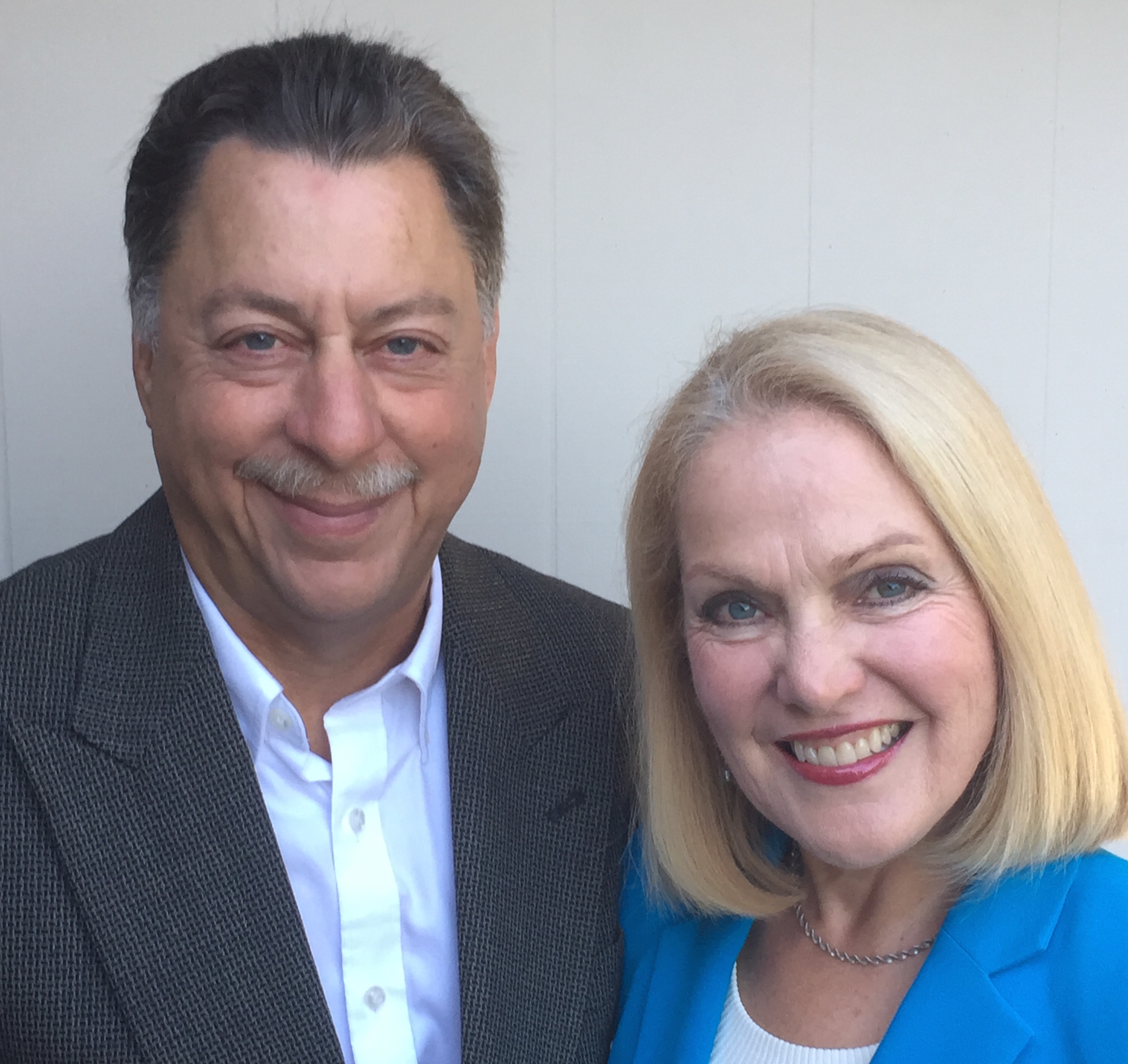 |
Dr. Mikol Davis and Carolyn Rosenblatt, co-founders of AgingInvestor.comCarolyn Rosenblatt, RN, Elder Law Attorney offers a wealth of experience with aging to help you create tools so you can skillfully manage your aging clients. You will understand your rights and theirs so you can stay safe and keep them safe too. Dr. Mikol Davis, Psychologist, Gerontologist offers in depth of knowledge about diminished financial capacity in older adults to help you strategize best practices so you can protect your vulnerable aging clients. They are the authors of "Succeed With Senior Clients: A Financial Advisors Guide To Best Practice," and "Hidden Truths About Retirement And Long Term Care," available at AgingInvestor.com offers accredited cutting edge on-line continuing education courses for financial professionals wanting to expand their expertise in best practices for their aging clients. To learn more about our courses click HERE |