
How Can You Differentiate Your Business Model From The Competition?
If you see how firms market themselves these days, you often see them pitching how much they care about their clients, and how much client relationships matter to them. Really? How about your senior clients? And how do you demonstrate that you care about them, now that they're retired and drawing out money, not contributing earnings?
Our aging population is growing and you are more likely than ever to see aging clients in your book of business. One way to differentiate yourself from those firms around you is to focus specifically on the senior market. When seniors can depend on you through the journey of aging, you will likely have loyalty for life from them.
But what does that mean, being able to depend on you? Of course, you are going to do what every financial professional is supposed to do and competently manage their portfolios. That alone does not set you apart. What will make you a standout is to focus on the unique needs seniors have and help your clients prepare for and handle them over time? That strategy is innovative because few firms have policies in place to guide, reassure and protect their oldest clients.
Longevity is on your side in going after this marketing opportunity. People are living longer than ever and the needs of our aging population are proliferating. If you want to be there to capture those older clients and do right by them, you have to get yourself ready. And you need a strategy.
Learning the ropes about the most likely things seniors need does not have to be difficult. We make it easy for you here at AgingInvestor.com with a plethora of resources to beef up your skills so you can best serve aging clients with confidence. You'll find books written just for financial professionals, online courses, videos and articles going into every aspect you are likely to encounter.
Your main tactic is to have enhanced knowledge about senior-specific needs and know how to implement that knowledge. They'll love you for it! Our society so often dismisses seniors and discriminates against them. Aging people can so readily feel marginalized. Wouldn't it be great to be welcoming and understanding of what they are going through as age takes its toll on them. They feel vulnerable in many ways and you can be a hero.
How to start
For anyone focusing on a new direction or wanting to acquire new expertise, you start by diving into some reading or online coursework. An hour at a time would do it. You take in information that expands your awareness of what seniors need, what problems they are most likely to have and what you and their families need to do about them. Here at AgingInvestor.com, where we combine nursing, legal and psychological expertise on aging, we suggest six one-hour courses and two books to make you extra knowledgeable. If you've done that, you will already be a standout.
What's next
After that, you create a clear senior-specific written policy in your firm or office. That policy articulates the ways in which you are proactive and prepared to calmly address things like diminished capacity, dementia, physical impairment, and preventing financial abuse. The bedrock of any senior policy is a legally sufficient document that gives you permission to contact third parties (one of which is not a family member) in the event that your client suffers cognitive decline and can't make decisions any longer. It can be done. (Learn more here).
Any savvy financial professional who wants to expand your practice to include an intentional focus on aging clients needs preparation. With it, you are sure to have a unique opportunity to serve an underserved market. Unlike many of your colleagues, you will know just what to do and you will attract many grateful clients.
With 73 million Baby Boomers, there is no doubt that they are going to need expert help from those financial professionals who do more than just manage the money.
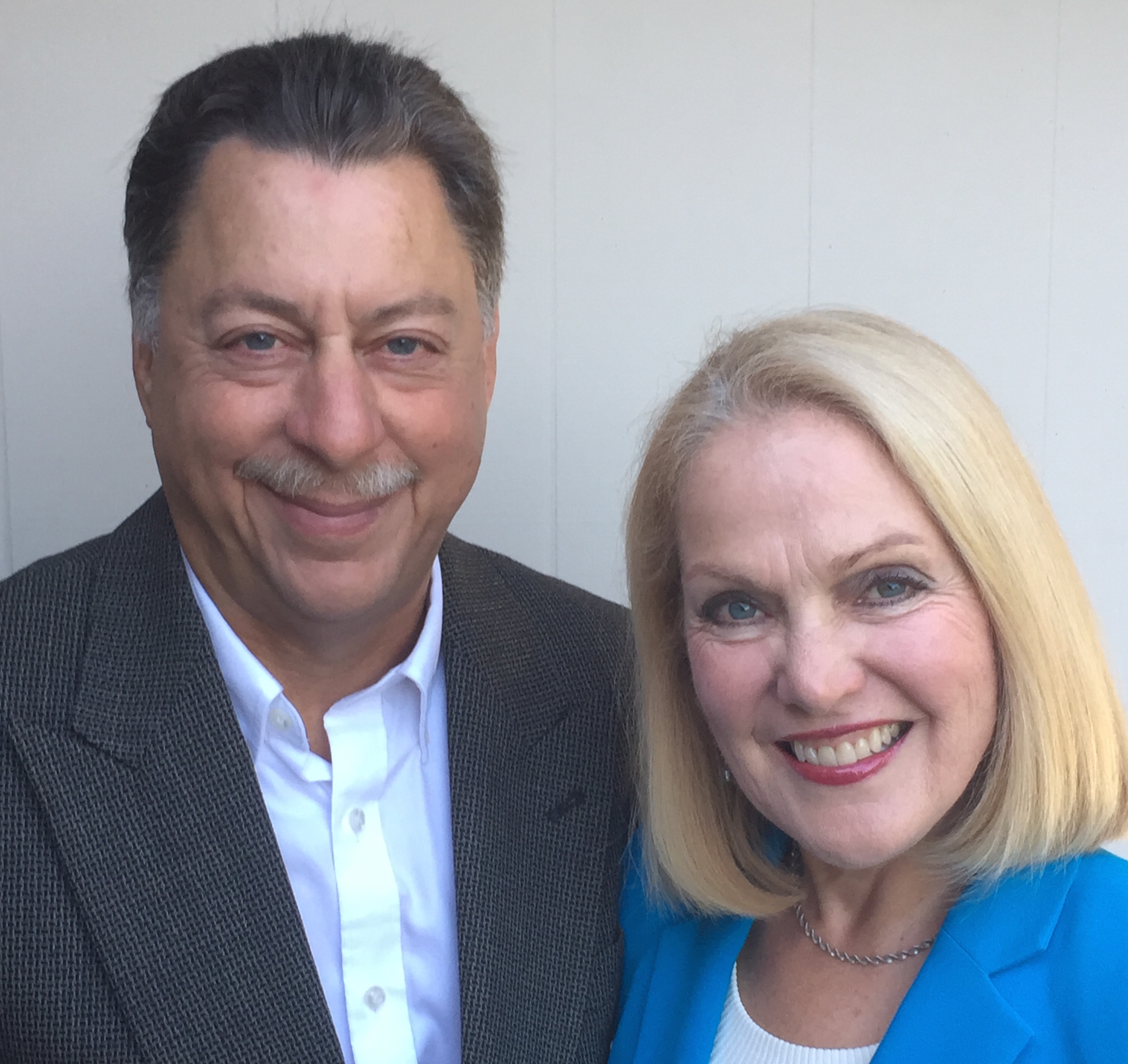 |
Dr. Mikol Davis and Carolyn Rosenblatt, co-founders of AgingInvestor.comCarolyn Rosenblatt, RN, Elder Law Attorney offers a wealth of experience with aging to help you create tools so you can skillfully manage your aging clients. You will understand your rights and theirs so you can stay safe and keep them safe too. Dr. Mikol Davis, Psychologist, Gerontologist offers in depth of knowledge about diminished financial capacity in older adults to help you strategize best practices so you can protect your vulnerable aging clients. They are the authors of "Succeed With Senior Clients: A Financial Advisors Guide To Best Practice," and "Hidden Truths About Retirement And Long Term Care," available at AgingInvestor.com offers accredited cutting edge on-line continuing education courses for financial professionals wanting to expand their expertise in best practices for their aging clients. To learn more about our courses click HERE |