

Tips-Having Calming Conversations With Upset Clients In This Pandemic

Tips-Having Calming Conversations With Upset Clients In This Pandemic

Tips-Having Calming Conversations With Upset Clients In This Pandemic

The coronavirus-related market turbulence is making a lot of clients nervous. Some are probably calling you demanding answers. Some are highly emotional and the incoming intensity feels intimidating. You didn’t sign up to be a therapist. But you have to do something, say something to try to calm them down. But what? You don’t want to blow it. You don’t want to feel helpless, not knowing how to respond. If this kind of highly emotional stuff is not exactly in your lane, a few tips about what works and doesn’t work are in order.

Here at AgingInvestor.com, we are fortunate to have an experienced psychologist and a nurse-attorney to offer you some guidance. What to do with very emotional clients is definitely in our wheelhouse. Imagine this: the client who is sometimes a problem anyway calls you in a frantic voice. He’s, well, freaking out. Your default setting is to start giving him a logical explanation of the facts. He gets even more emotional when you do that. You feel bad. He hangs up in a huff. Has he lost trust in you over something that’s not your fault? Here is an important thing to understand about those very emotional folks who call you and blast you with it: logic at that moment is lost. Fear makes people go to the automatic “reptile brain” response to fight or flee. At that point, reasonable explanations are useless because the client can’t take them in. What are you to do?

First, listen.  Listen without interrupting, with your undivided attention. Speak slowly. Repeat what the client has just said. It sounds like this: “Jack, I hear you saying you think you’re going to lose all your retirement investments and you feel pressure. Did I get that right?” Then you might ask Jack if there is anything else going on right now. Maybe he’ll tell you some of the other things he’s worried about. As he does, you do the same thing, which is to keep listening. The fact that you heard him and communicated that actually has a calming effect. It works. There are a lot of things that are fine at other times that don’t work in this highly tense time of uncertainty. One example, related to logical explanations, is to get out the graphs and charts and attempt to show the client how markets historically have recovered. This can only be effective with some clients, likely those who respond to reason and history lessons. For the ones who are being irrational, that is not an approach that works, at least initially.

Getting the client calm with the way you offer reassurance and emotional support must happen first. Getting to the next point, which may take more than one conversation, you can ask “Jack, can I show you some things about how markets have recovered after multiple crises, over many decades in the past?” If he’s willing, go ahead. If he’s in no mood for a history lesson, save it. You will probably be able to do that later. Learning the art of (virtual) hand-holding is not so complex that you can’t pick up the basics fairly quickly. For most people with your job, these techniques do not come naturally. They are not part of an advisor’s training.­ You can avoid mistakes and making clients even more upset when you know the right approach.

Here’s Some Practical Help We offer a 22 minute tutorial to guide you on what to say or not say. You can get it here, anytime. We cover the Five Do’s and Five Don’ts for dealing with those highly emotional folks you may encounter in this time of crisis. There is a bonus with it: a quick 10 point summary, you can keep for reference and reminders.  You will soon have the skills you need so you can have those calming conversations. CLICK HERE now.

If you have a particularly difficult client you don’t want to lose, and you need some private individual guidance so you can deal with it skillfully, you can get that at AgingInvestor.com too. Your own confidential advice session with us will get you through it smoothly and smartly. Contact Dr. Davis for a consultation: drmikol@aginginvestor.com

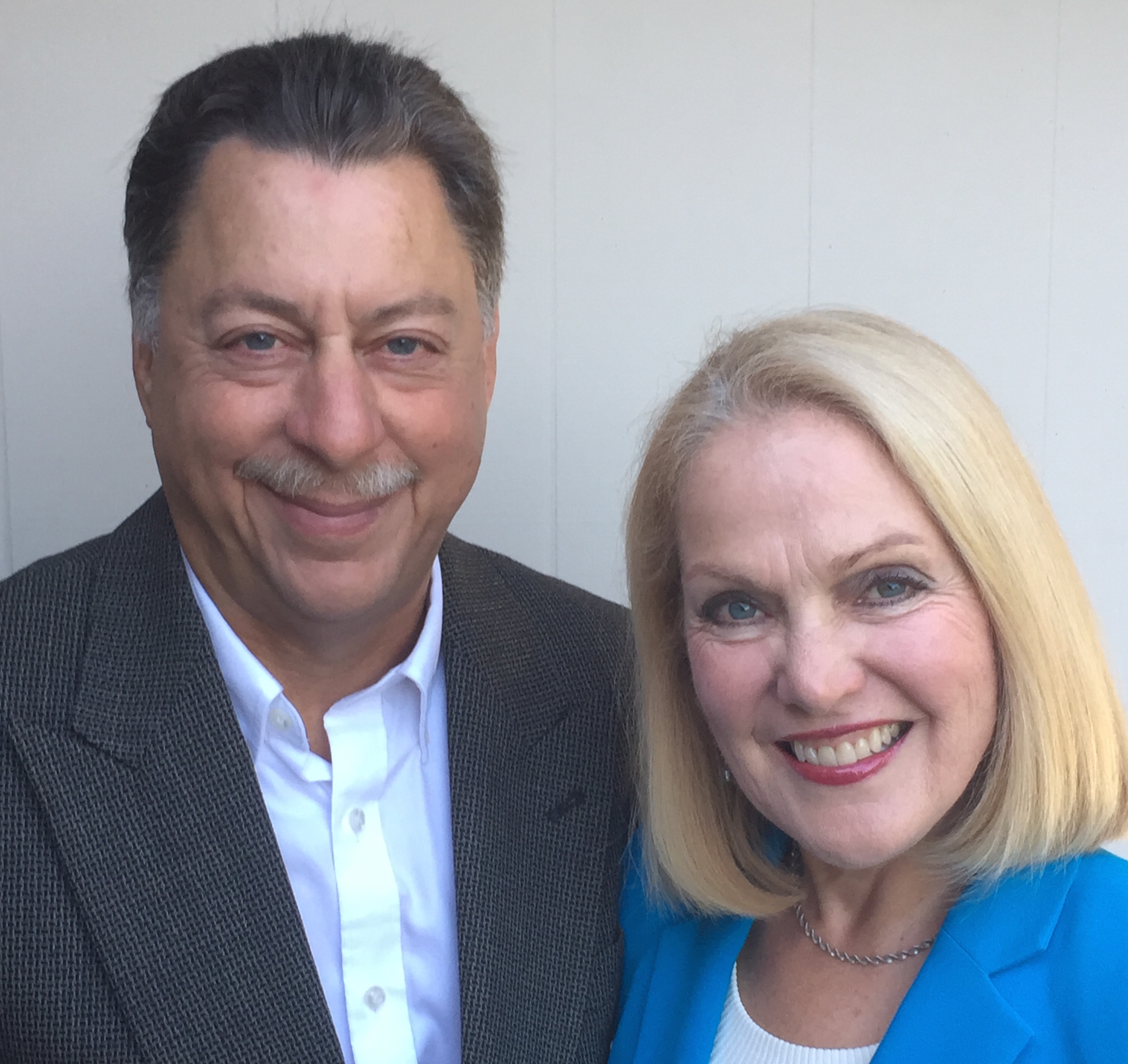
About Carolyn Rosenblatt and Dr. Mikol Davis Carolyn Rosenblatt and Dr. Mikol Davis are co-authors of The Family Guide to Aging Parents (www.agingparents.com) and Succeed With Senior Clients: A Financial Advisors Guide To Best Practices. Rosenblatt, a registered nurse and elder law attorney, has more than 45 years combined experience in her professions. She has been quoted in the New York Times, Wall Street Journal, Money magazine and many other publications. Davis, a clinical psychologist and gerontologist, has more than 44 years experience as a mental health provider. In addition to serving his patients, Davis creates online courses and products to assist professionals and the public with understanding aging issues. Rosenblatt and Davis have been married for 38 years.

The Advisor’s Role With Your Older Client’s Successor Trustee

The Advisor’s Role With Your Older Client’s Successor Trustee

Most advisors understand that your aging clients have done estate planning and that at least some of their assets are in a family trust. If you have never discussed this state plan and trust with any client 65 and up, it's a necessity. Why?

Every person is at risk, at some point for losing the capacity to do the job of managing that family trust. The risk rises directly with aging. No matter how healthy and competent your client may be right now, and no matter how educated about finances, the risk remains. No one is immune. There could be a stroke, heart attack or other disabling illness that renders the client unable to do the tasks necessary for making financial decisions. And that most dreaded of all diseases, Alzheimer's can sneak up on anyone, with the chances of it being especially bad for a person 85 and up. Did you know that the odds of having Alzheimer's disease are about one in three, at least, by age 85? It’s downright scary.

Here is what every advisor needs to know about your client's appointed successor on the trust: you have to meet that person and establish a relationship with him or her. Otherwise, you will be groping in the dark if an emergency or cognitive impairment happens to your client.

When is the right time to find out who the successor trustee is if you don't already know? We recommend bringing up the subject at or near retirement. Your client is very unlikely to say to you, "Hey advisor, I'm retiring soon and we'd best discuss what happens if I lose my marbles". Not a chance of that, so we suggest you take the lead.

Here are the points that your client may resist, but that you need to bring up and some suggested ways to do that. This is a script you might use:

  1. At retirement, we all need to take a look at the long run, and how we could age. It is possible that any of us could become physically or mentally disabled at some point in the future. I need to know which people you trust and have appointed to take over for you in the event of an emergency or disability.
  2. Let's talk about the last time your estate plan was reviewed or updated. Are you still comfortable with the person you appointed to be your successor trustee? If so, I need to meet him/her at least by phone. In case of emergency, I need to be able to discuss your portfolio with your appointee.
  3. As a responsible person, I'm sure you would not want to leave managing your portfolio to chance should you have an accident or disabling illness. I need to get your written permission to communicate with your estate planning attorney and your successor trustee. I have a sample letter here for you to sign, granting that permission to me in case of emergency or illness. Does this look all right to you?

You can learn more about best practices with your aging clients at AgingInvestor.com where we cover the gamut of things you are likely to see. Get your Ten Red Flags of Diminished Capacity Checklist here.


Dr. Mikol Davis and Carolyn Rosenblatt, co-founders of AgingInvestor.com

Carolyn Rosenblatt, RN, Elder Law Attorney offers a wealth of experience with aging to help you create tools so you can skillfully manage your aging clients. You will understand your rights and theirs so you can stay safe and keep them safe too.

Dr. Mikol Davis, Psychologist, Gerontologist offers in depth of knowledge about diminished financial capacity in older adults to help you strategize best practices so you can protect your vulnerable aging clients.

They are the authors of "Succeed With Senior Clients: A Financial Advisors Guide To Best Practice," and "Hidden Truths About Retirement And Long Term Care," available at AgingInvestor.com offers accredited cutting edge on-line continuing education courses for financial professionals wanting to expand their expertise in best practices for their aging clients. To learn more about our courses click HERE

Nipping A Predator In The Bud: How Fast Action Saved A Client From Abuse

Nipping A Predator In The Bud: How Fast Action Saved A Client From Abuse

Consider what you would do in this true case study. The advisor did not step up. Would you? Rhonda is 91 and lives independently. She has a few million in invested assets managed by her longtime advisor. Apparently, he forgot the requirement to "know your client". Rhonda started playing the sweepstakes a year before things came to a crisis point. She got really excited about the prospect of winning. A scammer, who probably purchased her name from the sweepstakes companies, got in touch with her by phone. "You've won!" he exclaimed excitedly. He then went on to use a classic scammer's trick. He told her she could get her million-dollar check if she would just pay the "fee" for transferring the funds. Sometimes the trick is paying the "taxes" or the "insurance fee". It's all the same. The scammer claims that they will deliver the check in person in exchange for the cash from the mark, often an elderly person. Luckily, Rhonda's son found out and he and his brother tried hard to talk their mother out of this. She insisted that they didn't understand and that "Mr. Banks" (don't you love the name?) was a good person and he was going to deliver her winnings to her for real. No amount of reasoning could persuade her she was about to be victimized. Her son, Jamie called us at AgingParents.com. "What can I do?" he asked.

We had to act fast as "Mr. Banks" was coming the following week in person. Rhonda was still the trustee over her multi-millions despite the fact that she had been showing clear signs of cognitive impairment for over two years. No one had taken any steps to keep her safe until this crisis. We asked Jamie to get her trust and any estate planning documents ASAP. He did so. In reviewing them, I saw that he was a co-trustee on the trust. It also revealed that Jamie was the "attorney in fact" on mom's Durable Power of Attorney and that he could act immediately. He got careful step-by-step instruction as to how to stop transactions on her accounts, and how to confront the nefarious "Mr. Banks" when he called to set up a time to meet with Rhonda. He also got advice about how to either get Rhonda to resign as trustee or to have her removed if she resisted. I personally called Rhonda's financial advisor to let him know about the imminent abuse, that transactions should be held until either Rhonda resigned as trustee or until Jamie could put a stop to Rhonda's attempts to get thousands of dollars for the predator. The options to stop his client would take a few days at least.

The advisor gave me a helpless-sounding response: "I don't know of anything I can do". Really? In the face of regulators insisting that you keep aging clients safer, that you address elder financial abuse and that next year you will be required to report abuse? Really? In the face of an upcoming regulation from FINRA that you can, in fact, hold transactions for two weeks in just this kind of situation? I was shocked at the lack of attention he paid to his own client's risks. The outcome on this matter was successful. Jamie used the power of attorney to stop any transfers out of Rhonda's account. She was too confused to argue with that action. When "Mr. Banks" called, Jamie was present and asked him "Who are you anyway?" Banks claimed he was a long lost relative and when Jamie told him to get lost, he actually did. Rhonda did not hear from him again. Whew, close call! The takeaways for advisors from this true case are these:

  1. Know your client. Diminished capacity leaves a trail. Stay in communication with your aging client's family members, particularly those who are on their estate planning documents appointed to take over in the event of incapacity. Know them too.
  2. When you are informed of any clear case of imminent abuse, hold transactions. It's that simple. Stop predators. Don't play helpless. You do know what to do. See the compliance department of your organization if you are unsure about this. It should be clear – do what is necessary to keep your client safe!
  3. Recognize that your oldest clients, age 85 and up are at very high risk for dementia or diminished capacity. The risk is at least one in three. Some experts put it at 50%. Therefore, you need to be on the lookout for signs of diminished capacity and to have a plan in place to address it with those who are in the position to take other protective action. In the earliest stages of dementia, a person loses financial judgment and is a prime target for scammers of all kinds.                                                                                                                                                       Learn more about what you can do to stop financial abuse at AgingInvestor.com.


Dr. Mikol Davis and Carolyn Rosenblatt, co-founders of AgingInvestor.com

Carolyn Rosenblatt, RN, Elder Law Attorney offers a wealth of experience with aging to help you create tools so you can skillfully manage your aging clients. You will understand your rights and theirs so you can stay safe and keep them safe too.

Dr. Mikol Davis, Psychologist, Gerontologist offers in depth of knowledge about diminished financial capacity in older adults to help you strategize best practices so you can protect your vulnerable aging clients.

They are the authors of "Succeed With Senior Clients: A Financial Advisors Guide To Best Practice," and "Hidden Truths About Retirement And Long Term Care," available at AgingInvestor.com offers accredited cutting edge on-line continuing education courses for financial professionals wanting to expand their expertise in best practices for their aging clients. To learn more about our courses click HERE