
Does The Advisor Have A Role With Aging Clients Who Become Unsafe Living Alone?
Does The Advisor Have A Role With Aging Clients Who Become Unsafe Living Alone?
Carolyn Rosenblatt, RN, Elder law attorney, AgingParents.com
You’ve known the client for many years. As time passes and she lives longer than she thought she would, you see her inevitable decline. She loses her husband, on whom she depended. She doesn’t want to move to assisted living or anywhere, even if you think it would be best for her. Her vision is dimming and her hearing isn’t good either. She has refused all help even when you reassured her she could easily afford whatever she needs.
Is there anything you can do? You care about the client but you’re used to just managing the money, and it isn’t clear that you are obligated to go beyond that. But you know that your client just isn’t safe alone anymore.
In these situations, the most competent advisors and wealth managers can feel conflicted about their roles. They have over the years come to know the client well and there is a sense of wanting the client to be safe. At the same time, maybe it’s not an advisor’s problem. What about the family? What if there is no family?
The first thing every advisor should do is what the regulators make optional for you: “try” to get a trusted third party contact. From our vantage point at AgingInvestor.com and AgingParents.com, we think it’s ridiculous to consider it an option rather than a requirement to get a trusted contact on file. The advisor can be more trusted than family in some cases and has a unique vantage point. YOU are the one who may be first to see your client’s decline and need for greater safety in the client’s living situation. You need to have someone to call. If it’s family and they are willing to step in, good. If there is no family, the client must be advised to hire a licensed person who is capable of overseeing their care if needed and to assist with day-to-day finances. The term “fiduciary” has a different meaning in the context of your industry, but outside it, a fiduciary can be a person whom the state licenses to manage money for someone who is not able to do it alone. They serve in the capacity similar to that of a conservator, guardian or power of attorney appointee, but the aging person still maintains some control as long as he or she remains cognitively intact. For those with no family a licensed fiduciary can solve the question: who can the client count on to help?
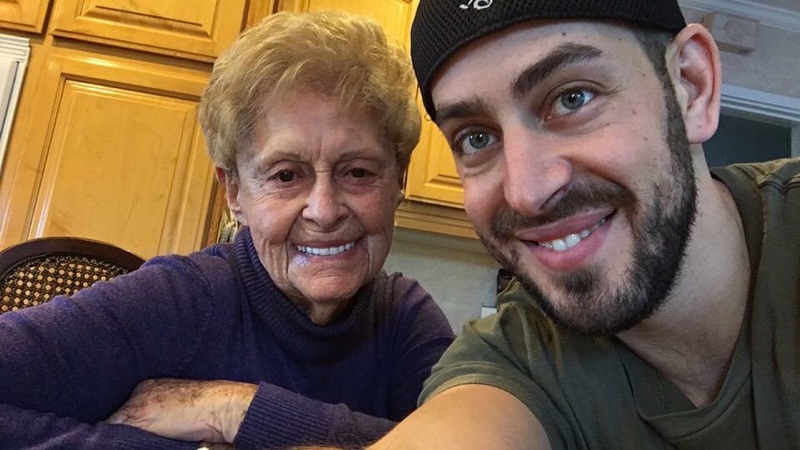
Even when there is family the aging client can still resist moving to a senior’s apartment in a community rather than struggling on living alone. It happened in our own family. It took two years for Dr. Davis’ mother, Alice to make up her mind to give up living alone in a house. To see a short video, Alice's perspective of her decision. Click HERE.
At age 90, she had vision and hearing problems, arthritis, leg pain, unstable blood pressure, kidney and bladder issues and she took 14 pills a day. That by itself was not enough to get her to agree to move. She ultimately reached the decision because she got tired of the daily difficulty she had trying to maintain independence.
Even with your efforts to persuade a client that he or she ought to consider some new choice like assisted living, remember that a person who is competent can’t be forced to move anywhere. Logic has nothing to do with the fear of losing one's independence. But keep trying and do work with the client’s family on a joint plan to help your client get to a safe decision.
What Action Can You Take?
Can you tell your client’s family about your observations? We see no ethical dilemma at all here. This is not about financial matters necessarily though it can be. The cost of moving and paying for care is a factor. But no one says you have to talk about what’s in your client’s portfolio. To be in the best position in anticipation of a client who is declining with age, get your client to identify any family or friends who could be called upon “in case of emergency”. Get more than one trusted contact. If you have a few people on the list identified by your client, call a phone meeting and discuss strategy. Gentle persuasion can work over time as it did with 92 year old Alice, who finally decided to move into a senior’s apartment. She was mighty stubborn but it did work out in the end, absent disaster. We were fortunate.
The takeaways from AgingInvestor.com:
Anticipate that long-lived clients may become unsafe living alone. Most people over age 80 need some kind of help in their lives.
You as the trusted advisor can be ready for age-related decline in your clients by having several trusted contacts in your client’s file whom you know and can call upon when safety is an issue.
If you become aware that your client is losing independence and should not be living alone, call a phone meeting with the trusted contacts to develop a strategy for working together to help your client make a good decision about moving or bringing help in.
Expand your role of merely managing the money and use your position of trust to help your client and the family keep the client physically safer.
If this all seems to be an awkward and uncomfortable thing to address, get a consultation from experts on aging at AgingInvestor.com. Our nurse-lawyer, geriatric psychologist team offers you expertise in how to approach a problem with an unsafe client and even what words to use to help them with important safety decisions.